 EN
EN

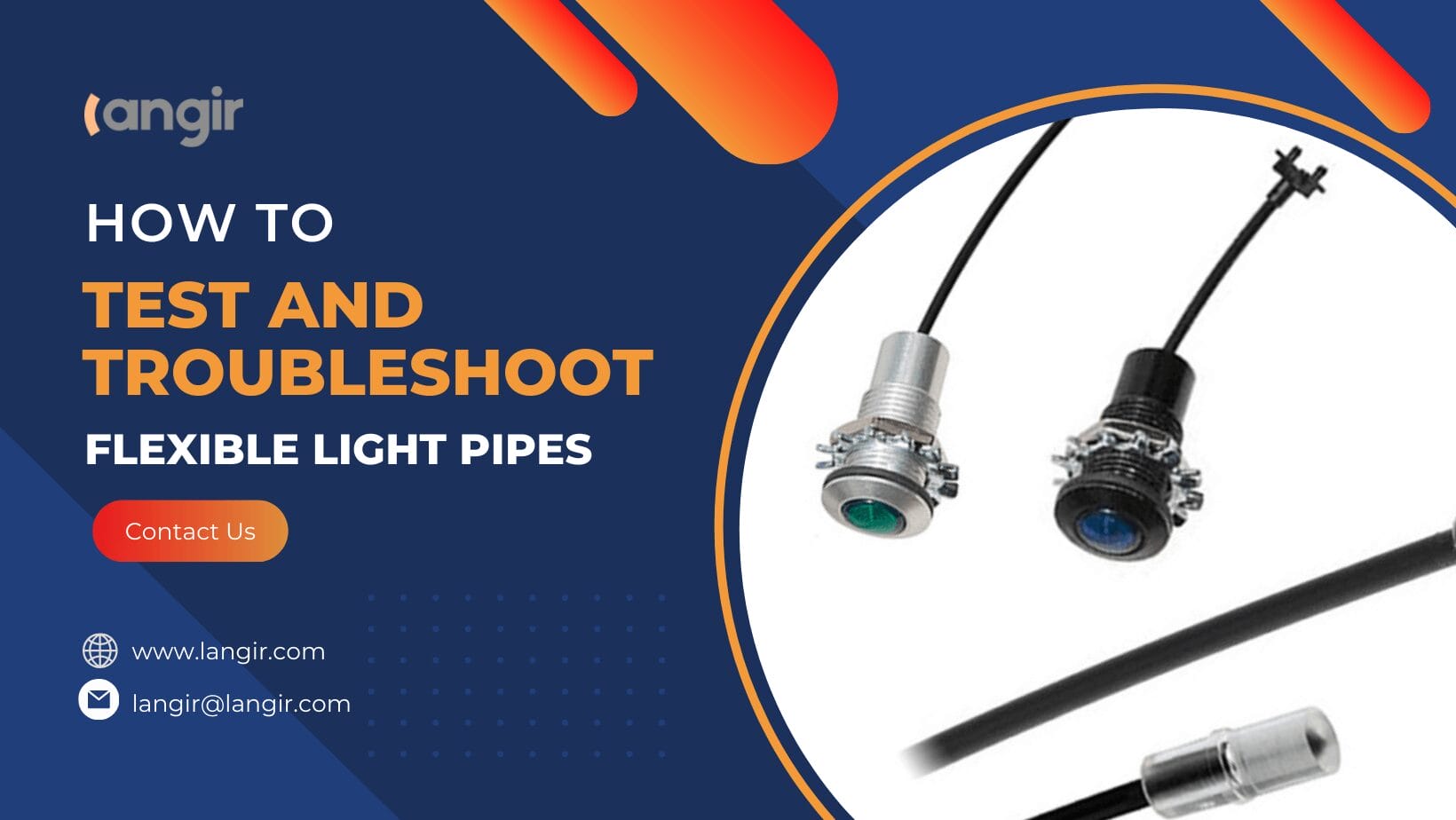
Flexible light pipes are crucial components in various fields such as automotive, electronics, and architectural lighting, providing an efficient means of transmitting light between two points without significant loss of intensity. Understanding how to test and troubleshoot these components can significantly enhance their performance and longevity.

What are Flexible Light Pipes
Flexible light pipes, also known as fiber optic guides or light tubes, are designed to transport light with minimal loss. They are used in applications where direct lighting is impractical due to space, environment, or mechanical constraints.
The primary components of a flexible light pipe include the core, cladding, and buffer. The core is the light-carrying element, while the cladding reflects the light back into the core, and the buffer protects against physical damage.
Light pipes can be rigid or flexible, each suited to different applications. Flexible types are particularly valued for their ability to bend around obstacles without breaking or significantly distorting the light passing through them.
Materials typically used in the construction of light pipes include polymers and glasses, chosen for their optical clarity and flexibility.
Importance of Testing and Troubleshooting
Testing and troubleshooting flexible light pipes are crucial steps in ensuring their proper functioning and longevity. It helps identify any issues early on, preventing potential failures that could lead to costly downtime or safety hazards.
Types of Flexible Light Pipe Issues
Physical damage such as bends, kinks, or cracks in the light pipe can impede light transmission and compromise its effectiveness.
Improper sealing or damage to the light pipe can result in light leakage, reducing the efficiency of the system and causing unwanted illumination in surrounding areas.
Issues with the material quality or internal structure of the light pipe can lead to poor light transmission, resulting in dim or uneven lighting.
Tools Required for Testing
To effectively test flexible light pipes, you will need the following tools:
A reliable light source is essential for assessing the performance of the light pipe and detecting any irregularities in light transmission.
A lux meter measures the intensity of light, allowing you to quantify the effectiveness of the light pipe in transmitting light to its intended destination.
Tools such as magnifying glasses or cameras with macro capabilities are useful for conducting visual inspections of the light pipe, enabling you to identify any physical damage or defects.
How to Test Flexible Light Pipes
Before installation or in routine maintenance, testing flexible light pipes is crucial to ensure their efficiency and functionality.

Visual Inspection
Start with a thorough visual inspection to check for any visible signs of damage or wear that could affect performance.
Light Transmission Testing
Testing the efficiency of light transmission through the pipe can reveal any internal defects or misalignments.
Bending and Flexibility Tests
These tests assess how well the light pipe can bend while still transmitting light effectively. This is crucial for installations requiring significant routing around obstacles.
How to Troubleshoot Flexible Light Pipes
Even with careful installation and maintenance, issues can arise that affect the performance of flexible light pipes.
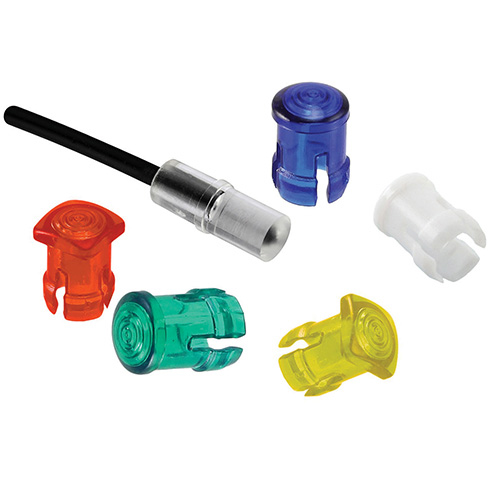
Connectivity Issues
Problems with connectivity often stem from improper alignment or fitting at connection points. Ensuring all connections are secure is vital.
Blockages and Obstructions
Dirt, dust, or other obstructions inside the pipe can block light flow. Regular cleaning and inspection can prevent these issues.
Physical Damage
Physical damage to a light pipe can cause severe functionality issues. This might include cuts, kinks, or severe bends beyond the pipe’s flexibility limit.
Common Mistakes to Avoid
Avoid common mistakes such as improper handling or installation of flexible light pipes, which can lead to damage or performance issues.
Tips for Maintenance
Regularly inspect and clean flexible light pipes to remove dust or debris that may accumulate over time, affecting their performance.

FAQs
What is the best way to conduct a visual inspection of a flexible light pipe?
The best way to perform a visual inspection is by examining the light pipe under a strong light source. Look for any signs of damage such as cracks, discoloration, or abrasions. Pay special attention to the connectors and the points where the pipe bends, as these areas are prone to wear and tear.
How often should light transmission tests be performed on flexible light pipes?
Light transmission tests should ideally be conducted before initial use and then as part of regular maintenance. For most applications, testing every 6 to 12 months is sufficient, but this may vary depending on the operating environment and the manufacturer’s recommendations.
What are the common materials used in light pipes, and why?
Common materials used in light pipes include polymers such as acrylic and polycarbonate, and glasses like fused silica. Polymers are favored for their flexibility and durability, making them suitable for applications requiring bending. Glass is used for its high optical clarity and resistance to heat, making it ideal for high-temperature environments.
How can I determine if a flexible light pipe has been bent too far?
To determine if a light pipe has been bent too far, refer to the manufacturer’s specifications for the minimum bending radius. Exceeding this radius can cause the light pipe to kink, permanently damaging the core and reducing light transmission. You can also perform a light transmission test after bending to check if the light output meets the expected levels.
What steps should be taken if a light pipe is not transmitting light efficiently?
If a light pipe is not transmitting light efficiently, first check for any physical damage or bends beyond the recommended radius. Clean the pipe internally using recommended cleaning procedures to remove any dust or debris. If the issue persists, consider replacing the affected segments or the entire pipe if necessary.
Conclusion
Regular testing and maintenance are essential for ensuring the optimal performance of flexible light pipes. By following these guidelines, one can effectively test and troubleshoot issues, extending the life and functionality of these critical components. Whether it’s through routine inspections, detailed testing, or addressing common issues, maintaining your light pipes can significantly improve their efficiency and durability in various applications.
All Langir News:
Read More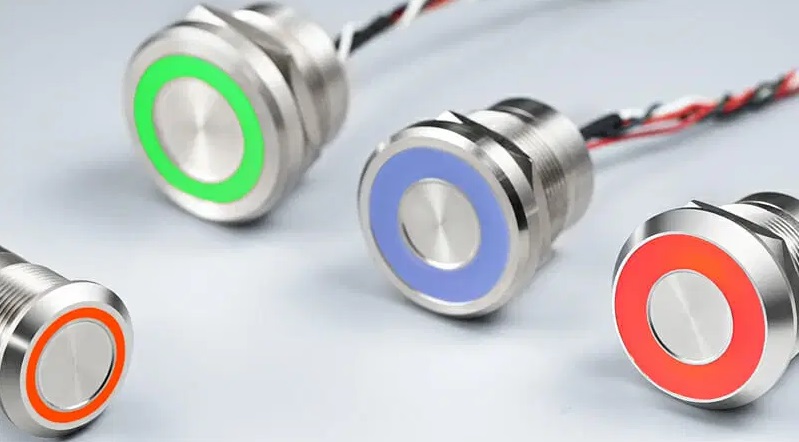
Langir's IP69K piezo switches power ventilators with sealed, maintenance-free control. Withstand sterilization and moisture wit...
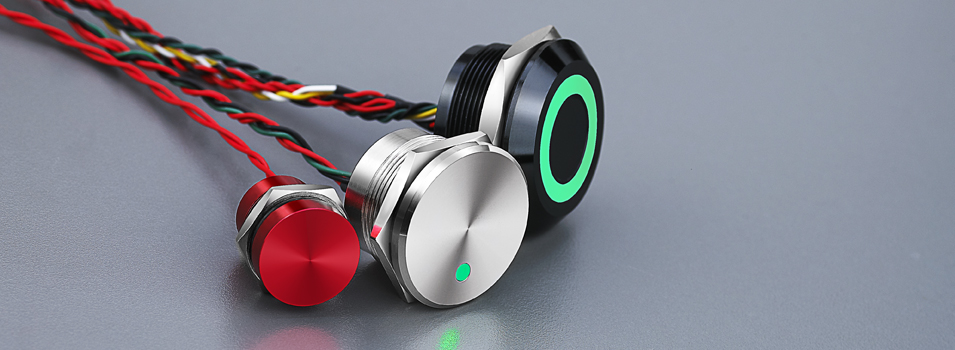
Medical-grade piezo switches require IP65/IP67/IP69K ratings and ISO 9001:2015 compliance. Langir delivers certified switches t...
Langir's sealed piezo switches resist disinfection damage and bacteria growth in hospitals. IP 69K rated for infection control ...
PNP sourcing and NPN sinking switches explained. Langir capacitive, piezo, and anti-vandal switches support both configurations...
 EN
EN  FR
FR  PL
PL  PT
PT  ES
ES  JA
JA  RU
RU  AR
AR  IT
IT  NL
NL  TR
TR  KO
KO  DE
DE