 EN
EN


Snap action thermostats are crucial components in many heating, ventilation, and air conditioning (HVAC) systems, as well as in a variety of appliances and industrial equipment. They help maintain the desired temperature by switching on or off the electrical circuit based on the ambient temperature. Knowing how to test and troubleshoot these devices is essential for maintaining optimal performance and safety. This article will guide you through the steps for testing and troubleshooting a snap action thermostat effectively.
Know About Snap Action Thermostats

What is a Snap Action Thermostat
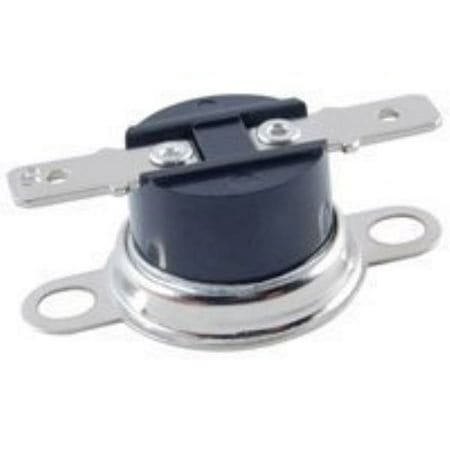
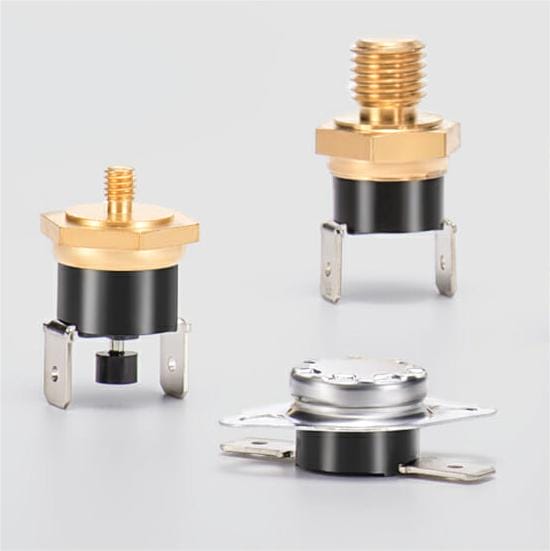
A snap action thermostat is a type of temperature control device that operates using a bimetallic strip. This strip bends at specific temperatures, causing a rapid, or “snap,” action to open or close the electrical circuit.
How Do Snap Action Thermostats Work
These thermostats operate based on the principle of thermal expansion. The bimetallic strip consists of two metals with different expansion rates bonded together. As the temperature changes, the strip bends, activating a switch mechanism at a predetermined temperature.
Preparation for Testing and Troubleshooting a Snap Action Thermostat
Tools and Materials Needed
Before you start, ensure you have a multimeter, a source of controlled temperature (like a heat gun or a pot of water with a thermometer), and basic hand tools.
Safety Precautions
Always disconnect power before attempting to inspect or test the thermostat. Ensure you understand and comply with all safety guidelines related to your specific application.
How to Test a Snap Action Thermostat
Visual Inspection
Begin with a visual inspection for any obvious signs of damage or wear, such as corrosion, burnt contacts, or a cracked housing.
Continuity Test
Use a multimeter to check for continuity. With the thermostat at room temperature (and assuming it’s normally closed), it should show continuity. If not, the thermostat may be faulty.
Temperature Test
Using a controlled heat source, gradually increase the temperature while monitoring the thermostat. It should “snap” and open the circuit at its rated temperature.
How to Troubleshoot a Snap Action Thermostat
Thermostat Does Not Activate
This could indicate a faulty bimetallic strip or a damaged internal switch. Continuity testing can help diagnose this issue.
Thermostat Activates Too Early or Too Late
This usually suggests a calibration issue. It may be necessary to adjust the thermostat or replace it if it’s non-adjustable.
Erratic Thermostat Behavior
Erratic behavior can be caused by a loose connection, a faulty bimetallic strip, or external factors affecting the thermostat’s temperature sensing.
Replacement and Maintenance Tips
When to Replace
If your thermostat fails any of the tests above and cannot be adjusted or repaired, replacement is the next step.
Maintenance Tips
Regularly clean the thermostat and check for loose connections to ensure reliable operation.
Conclusion
Understanding how to test and troubleshoot a snap action thermostat is key to maintaining the efficiency and safety of your heating or cooling system. Regular testing and maintenance can prevent costly repairs and ensure your system operates as intended.
FAQs
What is a snap action thermostat?
A snap action thermostat is a temperature control device that uses a bimetallic strip to open or close an electrical circuit at a specific temperature.
How can I tell if my snap action thermostat is faulty?
Signs of a faulty thermostat include inability to maintain the correct temperature, no response to temperature changes, or erratic behavior.
What tools do I need to test a snap action thermostat?
You’ll need a multimeter for continuity testing and a controlled heat source to test the thermostat’s response to temperature changes.
Can I repair a faulty snap action thermostat?
In most cases, it’s not practical or possible to repair a faulty snap action thermostat due to the internal components’ precision. Replacement is usually the best option.
How often should I replace my snap action thermostat?
The lifespan of a snap action thermostat varies based on usage, but it’s a good practice to test it annually and replace it if any faults are found.
All Langir News:
Read More
Langir's IP69K piezo switches power ventilators with sealed, maintenance-free control. Withstand sterilization and moisture wit...

Medical-grade piezo switches require IP65/IP67/IP69K ratings and ISO 9001:2015 compliance. Langir delivers certified switches t...

Langir's sealed piezo switches resist disinfection damage and bacteria growth in hospitals. IP 69K rated for infection control ...
PNP sourcing and NPN sinking switches explained. Langir capacitive, piezo, and anti-vandal switches support both configurations...
 EN
EN  FR
FR  PL
PL  PT
PT  ES
ES  JA
JA  RU
RU  AR
AR  IT
IT  NL
NL  TR
TR  KO
KO  DE
DE