 EN
EN

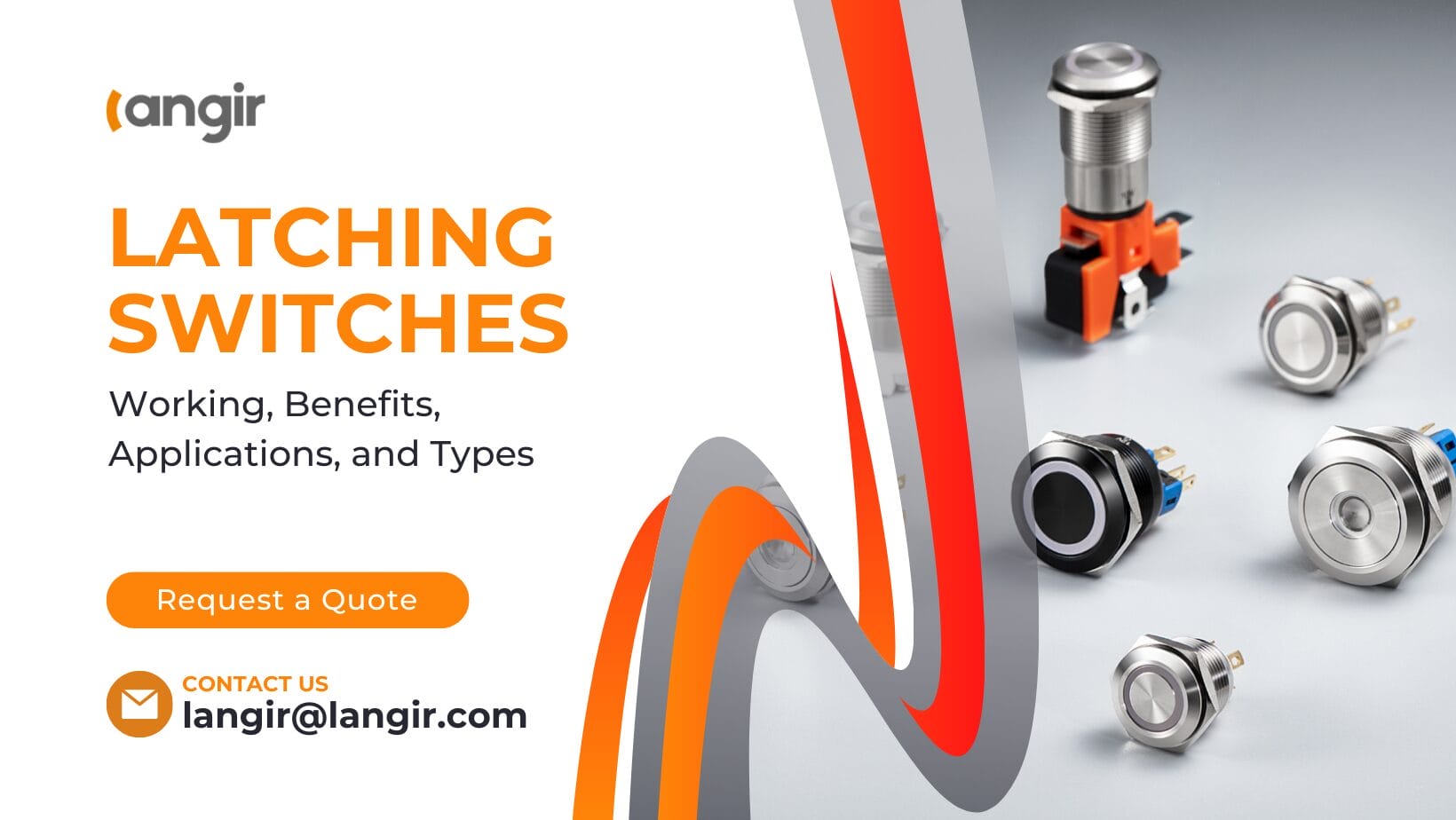
There are various types of switches available for controlling electrical circuits. However, if you are looking for something reliable with high load capacity, a latching switch is what you need. These switches, also known as latching relays, offer distinct advantages in specific applications due to their unique operation mechanism.
Unlike standard relays that require continuous power to maintain their state, latching relays can maintain their on or off state with just a short pulse of power. This distinct feature makes them highly sought after in scenarios where energy efficiency and precise control are needed.
In this article, we will discuss latching switches in detail, along with their working, types, and applications. So, let’s dig in!
What is a Latching Switch?
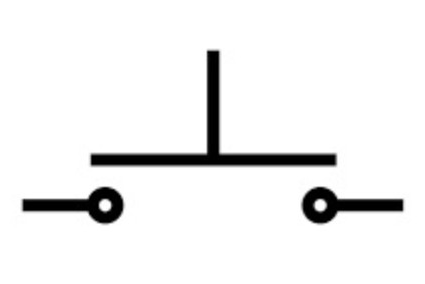
A latching switch, or you can say a latching relay, maintains its state (either open or closed) after being actuated by a brief electrical pulse. These switches don’t require continuous compression for operation. Instead, they hold their position until they receive another pulse or signal to change state. Here’s the symbol of a latching switch:
You can commonly find these switches in household applications like electronic appliances, remote controls, and lighting systems. They are also used in telecommunication systems due to their energy efficiency capabilities.
How Does a Latching Switch Work?
The working of a latching switch is given as:
- Firstly, an electric current passes through the coil of the latching switch, creating a magnetic field around the coil.
- This magnetic field either attracts or repels the movable contacts inside the switch, causing them to switch positions – normally open or closed.
- Once the contacts have attained a specific position, the latching mechanism of the switch comes into play. It keeps the switch in its current position even when the power is discontinued.
- The switch operates continuously until another pulse of electric current is applied to the coil, which generates a new magnetic field. This magnetic moment moves the contacts to a new position (normally open or normally closed), interrupting their operation.
Types of Latching Switches
It’s time to discuss the many types of latching switches you’ll find in the market:
Based on Coil
Depending upon the number of coils, there are two types of latching relays:
A single-coil latching switch is the traditional latching switch in which only one coil is present and responsible for toggling between two states (open or closed). When an electric current is applied to the switch coil, it produces a magnetic field that activates the switch, keeping it in the stay position. To change the switch state, a reverse current is applied to the same coil, making the contact move in the opposite direction.
Double coil latching switches, as the name suggests, have two coils that work independently to set and reset a switch position. One coil is responsible for setting or activating a switch to a specific state. At the same time, the other coil is used to reset or deactivate the switch back to its original position. This dual coil configuration provides more control over the switching process.
Based on Poles and Throws
There are four types of latching switches considering the number of poles and throws:
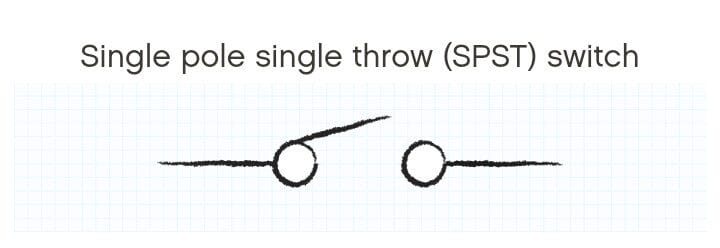
A single pole single throw or SPST latching switch has one pole and one throw. This type of switch can only maintain a single on/off state after being actuated.
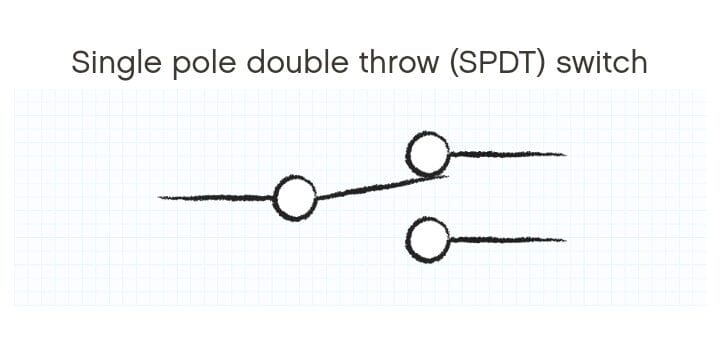
Next, we have the single-pole double-throw or SPDT latching switches, which have a single pole (input terminal) and two throws (output terminals). Based on the actuation, they can alternate between two different states (e.g., open/closed, on/off).
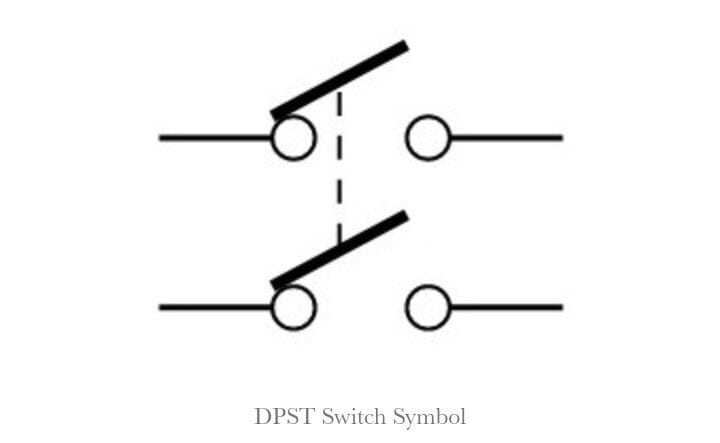
A double pole single throw latching switch has two separate poles (input terminals), each with a single throw (output terminal). This type of switch operates as two independent switches controlled by a single actuator.
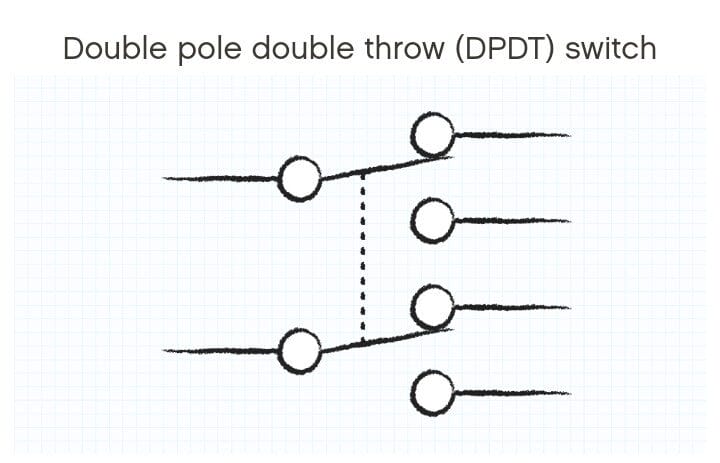
Double pole double throw or DPDT latching switches have two poles (input terminals), and each pole has two throws (output terminals). These switches are useful in controlling two independent circuits and alternate between two different states for each circuit.
Benefits of Latching Switches
Let’s look at the many benefits of a latching switch:
Latching switches are known for their compact size, which is ideal for applications within limited space. This small size also allows their easy integration on printed circuit boards (PCBs), making them suitable for modern electronics and equipment.
You may not know this, but latching switches are also popular for their durability and long service life. Once these switches are set in a specific state (either normally open or normally closed), they stay in that position without requiring continuous power. This characteristic reduces wear and tear on internal components of the switch, so they serve you in the long run.
One of the most useful advantages of latching switches is their low power consumption. These switches only need power during state change and remain in the set position without drawing additional power. This is particularly beneficial for battery-powered devices.
Latching switches have a robust design that easily handles high current and voltage. Hence, they are suitable for industrial and automotive applications where heavy electrical loads are common.
Applications of Latching Switches
Following are the applications of latching switches:
- Industrial Automation Systems: Latching relays or switches are useful in industrial automation systems to control machinery and equipment in automated processes.
- Consumer electronics: In consumer electronics, latching relays are integrated into televisions, audio equipment, and home appliances for switching and control functions.
- Smart Home and Building Automation: These switches are also useful in smart home and building automation, allowing you to remotely control your home’s lighting, HVAC system, and security devices.
- Automotive Systems: Many automotive systems also benefit from latching switches as they are helpful in controlling power windows, door locks, and other electrical systems in vehicles.
- Energy Management and Load Control: They also find applications in energy management and load control systems to optimize energy usage in residential and commercial settings.
Latching Switch Vs Momentary Switch: Key Differences
Here’s a detailed overview of the difference between latching and momentary switches:
- Momentary Switches: Require continuous pressing to stay in the activated state and return to their original or off state as soon as the actuating force is removed.
- Latching Switches: Maintain their state after being actuated by a brief electrical pulse; do not require continuous power or compression to stay in the on or activated state.
- Momentary Switches: Have high power consumption as they need continuous power for operation.
- Latching Switches: Less power consumption than momentary switches. They only require power during state change (actuation) and not for operation.
- Momentary Switches: Generally less expensive compared to latching switches due to simpler construction and fewer components.
- Latching Switches: They tend to be a little more costly than momentary switches, and it’s attributed to their energy-efficient features and high load capacity.
- Momentary Switches: These are commonly used in devices like doorbells, push-button controls, and computer keyboards where temporary activation is needed.
- Latching Switches: These are found in HVAC systems, home automation devices, lighting systems, and industrial automation systems where precise control is necessary.
Tips to Consider When Purchasing a Latching Switch
Here are some tips that you must consider when choosing a latching switch:
- Firstly, you should determine the switch’s coil voltage and power supply specifications. Ensure that the chosen switch operates within the voltage range and is compatible with your circuit.
- Check the contact rating and load capacity of the latching switch to ensure it’s robust enough to safely handle the electrical load of your application.
- Choose the latching switch from top manufacturers like Langir and check their IP rating, especially if you are going to use it in a challenging environment with high humidity and temperature fluctuations.
FAQs
What is a Latch?
Typically, a latch refers to a switch mechanism that maintains its state (either open or closed) after being actuated by an input signal. Another input signal is required to return the switch to its original position. This feature distinguishes latching switches from momentary switches that require continuous activation or pressing for functioning.
What are the Disadvantages of Latching Switches?
The disadvantages of latching switches include potential complexity in circuit design and chances of meta-stability when a latch is sensitive. Their usage in limited applications is due to their specific operating requirements, and they are also quite expensive compared to momentary switches.
What are the Common Issues with Latching Switches?
Common issues with latching switches include contact sticking, in which the contacts get oxidized or dirty, which makes them sticky, and they fail to operate efficiently. Another issue you may face is coil failure, which involves the switch not responding to input signals due to a malfunctioning coil.
Conclusion
Latching switches are helpful in many applications like industrial equipment, HVAC systems, automotive systems, etc. The reasons behind their extensive usage are low power consumption, small size, and high load capacity. If you are searching for the best latching relay options for your applications, Langir is your one-stop shop!
Contact us today to explore our diverse and affordable range of latching switches!
All Langir News:
Read More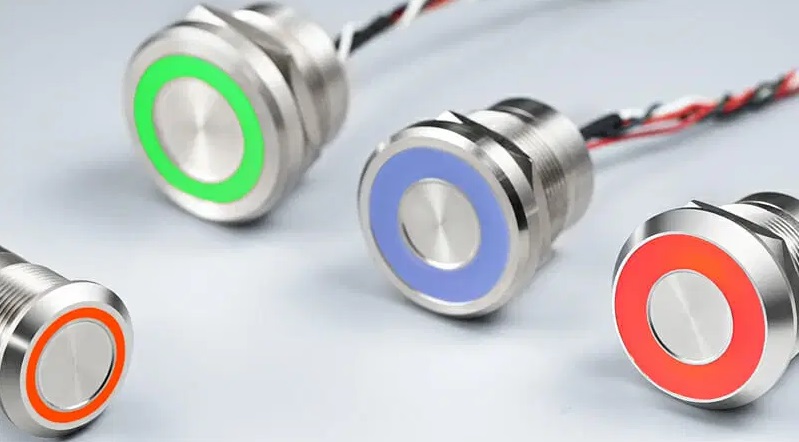
Langir's IP69K piezo switches power ventilators with sealed, maintenance-free control. Withstand sterilization and moisture wit...
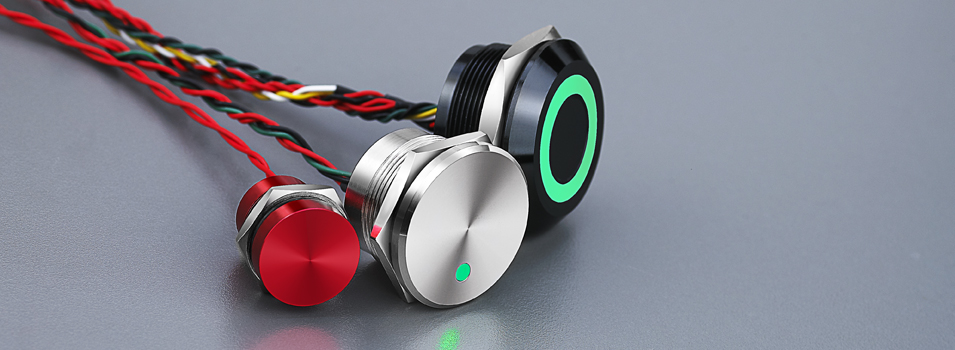
Medical-grade piezo switches require IP65/IP67/IP69K ratings and ISO 9001:2015 compliance. Langir delivers certified switches t...
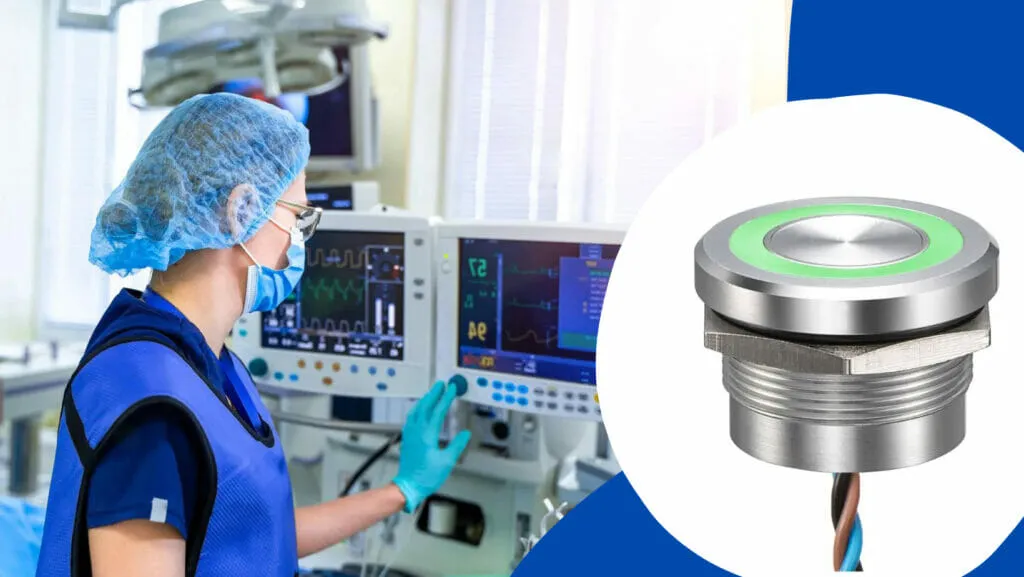
Langir's sealed piezo switches resist disinfection damage and bacteria growth in hospitals. IP 69K rated for infection control ...
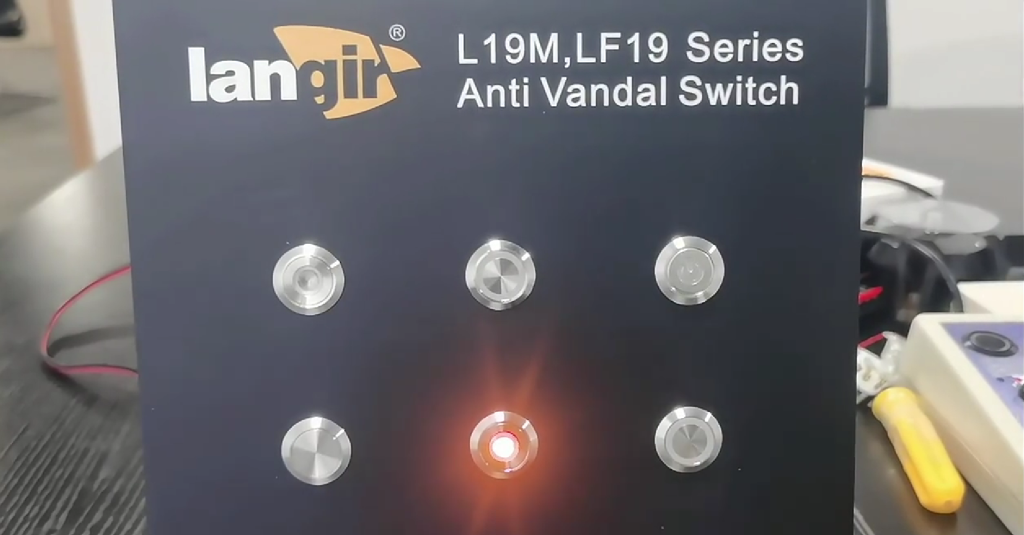
PNP sourcing and NPN sinking switches explained. Langir capacitive, piezo, and anti-vandal switches support both configurations...
 EN
EN  FR
FR  PL
PL  PT
PT  ES
ES  JA
JA  RU
RU  AR
AR  IT
IT  NL
NL  TR
TR  KO
KO  DE
DE