
[vc_row][vc_column][vc_column_text]
Understanding Capacitive Materials: A Deep Dive into Their Applications and Properties
[/vc_column_text][vc_single_image image=”11471″ img_size=”full” alignment=”center”][/vc_column][/vc_row][vc_row][vc_column][vc_column_text]In the world of electronics and technology, capacitive materials play a pivotal role in various applications. From touchscreens on our smartphones to energy storage devices, these materials have a wide range of uses. In this comprehensive article, we will delve into the fascinating world of capacitive materials, exploring their properties, applications, and the science behind them.[/vc_column_text][/vc_column][/vc_row][vc_row][vc_column][vc_column_text]
Introduction to Capacitive Materials
Capacitive materials are substances or structures that can store electrical energy in the form of an electric field. This unique ability stems from their inherent property known as capacitance. Understanding the behavior of these materials is crucial in the world of electronics and electrical engineering.[/vc_column_text][/vc_column][/vc_row][vc_row][vc_column width=”1/3″][vc_column_text]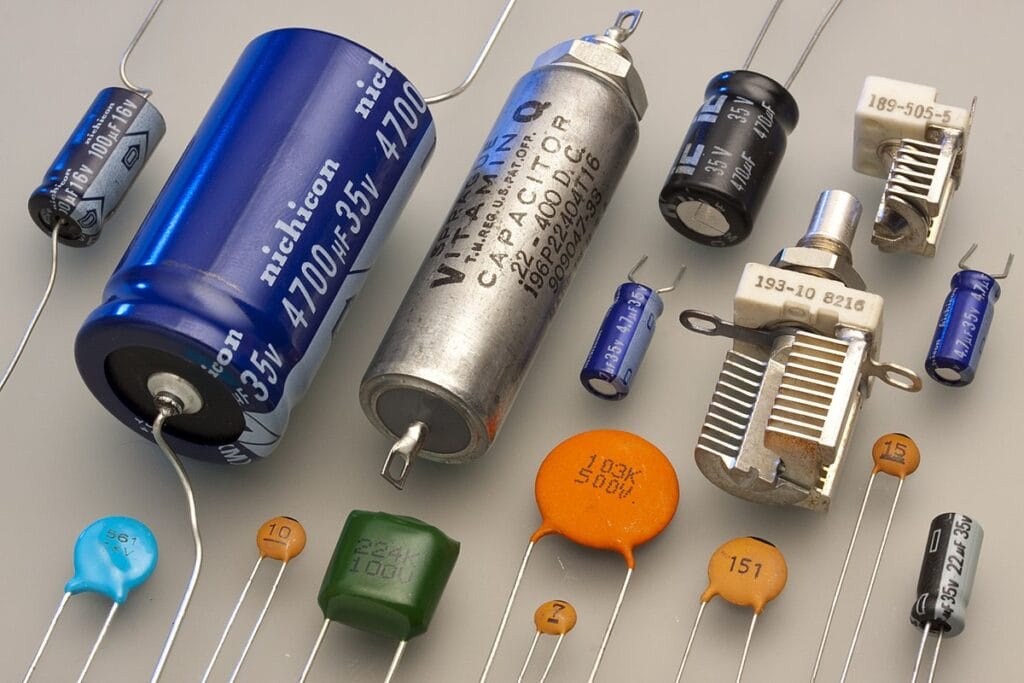 [/vc_column_text][/vc_column][vc_column width=”2/3″][vc_cta h2=”What Are Capacitors” add_button=”bottom” btn_title=”Learn more” btn_style=”classic” btn_color=”warning” btn_link=”url:https%3A%2F%2Fen.wikipedia.org%2Fwiki%2FCapacitor|target:_blank”]Capacitors, also known as condensers, are electronic components that utilize capacitive materials to store and release electrical energy. They consist of two conductive plates separated by a dielectric material. When a voltage is applied across the plates, an electric field is formed, leading to the storage of electric charge.[/vc_cta][/vc_column][/vc_row][vc_row][vc_column][vc_column_text]
Types of Capacitors
There are various types of capacitors available, each designed for specific applications. Some common types include:[/vc_column_text][/vc_column][/vc_row][vc_row][vc_column][vc_tta_accordion][vc_tta_section title=”Electrolytic Capacitors” tab_id=”1702919055578-13d99653-8fc8″][vc_column_text]These capacitors use an electrolyte as the dielectric material and are known for their high capacitance values. They are commonly used in power supply circuits.[/vc_column_text][/vc_tta_section][vc_tta_section title=”Ceramic Capacitors” tab_id=”1702919055596-4a59e4bc-fe45″][vc_column_text]Ceramic capacitors employ ceramic materials as dielectrics. They come in different forms, including multi-layer ceramics, and find use in a wide range of electronic devices.[/vc_column_text][/vc_tta_section][vc_tta_section title=”Tantalum Capacitors” tab_id=”1702919113162-2bdf49a5-cee7″][vc_column_text]Tantalum capacitors use tantalum metal as the anode material and are known for their stability and reliability. They are often used in compact electronic devices.[/vc_column_text][/vc_tta_section][vc_tta_section title=”Film Capacitors” tab_id=”1702919139220-8aaeafb9-be80″][vc_column_text]Film capacitors use plastic film as the dielectric material and are valued for their low leakage current. They are commonly found in audio equipment.[/vc_column_text][/vc_tta_section][/vc_tta_accordion][/vc_column][/vc_row][vc_row][vc_column][vc_column_text]
The Science Behind Capacitance
Capacitance is a measure of a capacitor’s ability to store electrical charge. It is directly proportional to the surface area of the plates and inversely proportional to the distance between them.[/vc_column_text][/vc_column][/vc_row][vc_row][vc_column][vc_message]The formula for capacitance is C = ε * A / d, where C is capacitance, ε is the permittivity of the dielectric material, A is the plate area, and d is the distance between the plates.[/vc_message][/vc_column][/vc_row][vc_row][vc_column][vc_column_text]
Dielectric Materials
The dielectric material placed between the plates of a capacitor determines its properties. Different dielectrics have varying permittivity values, affecting the overall capacitance of the device. Common dielectric materials include ceramics, plastics, and paper.[/vc_column_text][/vc_column][/vc_row][vc_row][vc_column][vc_column_text]
Applications of Capacitive Materials
Capacitive materials find applications in a wide range of industries and technologies. Some prominent uses include:[/vc_column_text][/vc_column][/vc_row][vc_row][vc_column width=”1/4″][vc_column_text]
Touchscreen Technology
Capacitive touchscreens rely on the change in capacitance when a finger or stylus touches the screen. This technology is widely used in smartphones, tablets, and interactive displays.[/vc_column_text][/vc_column][vc_column width=”1/4″][vc_column_text]
Energy Storage
Capacitors are used to store electrical energy and can deliver it rapidly when needed. They are crucial in applications like hybrid vehicles and camera flash circuits.[/vc_column_text][/vc_column][vc_column width=”1/4″][vc_column_text]
Sensor Technology
Capacitive sensors can detect changes in capacitance caused by proximity or touch. They are used in proximity sensors, occupancy detectors, and more.[/vc_column_text][/vc_column][vc_column width=”1/4″][vc_column_text]
Filtering and Timing Circuits
Capacitors are essential components in electronic circuits for filtering out unwanted frequencies and establishing precise timing in devices like oscillators.[/vc_column_text][/vc_column][/vc_row][vc_row][vc_column][vc_column_text]
Capacitive Materials in Capacitive Switches
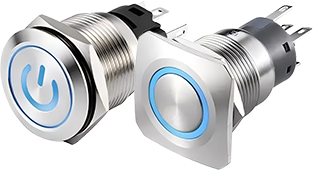
Capacitive switches are a prime example of how capacitive materials are used in modern technology. These switches have gained popularity due to their durability, sensitivity, and versatility. Let’s explore their application:[/vc_column_text][/vc_column][/vc_row][vc_row][vc_column width=”1/3″][vc_column_text]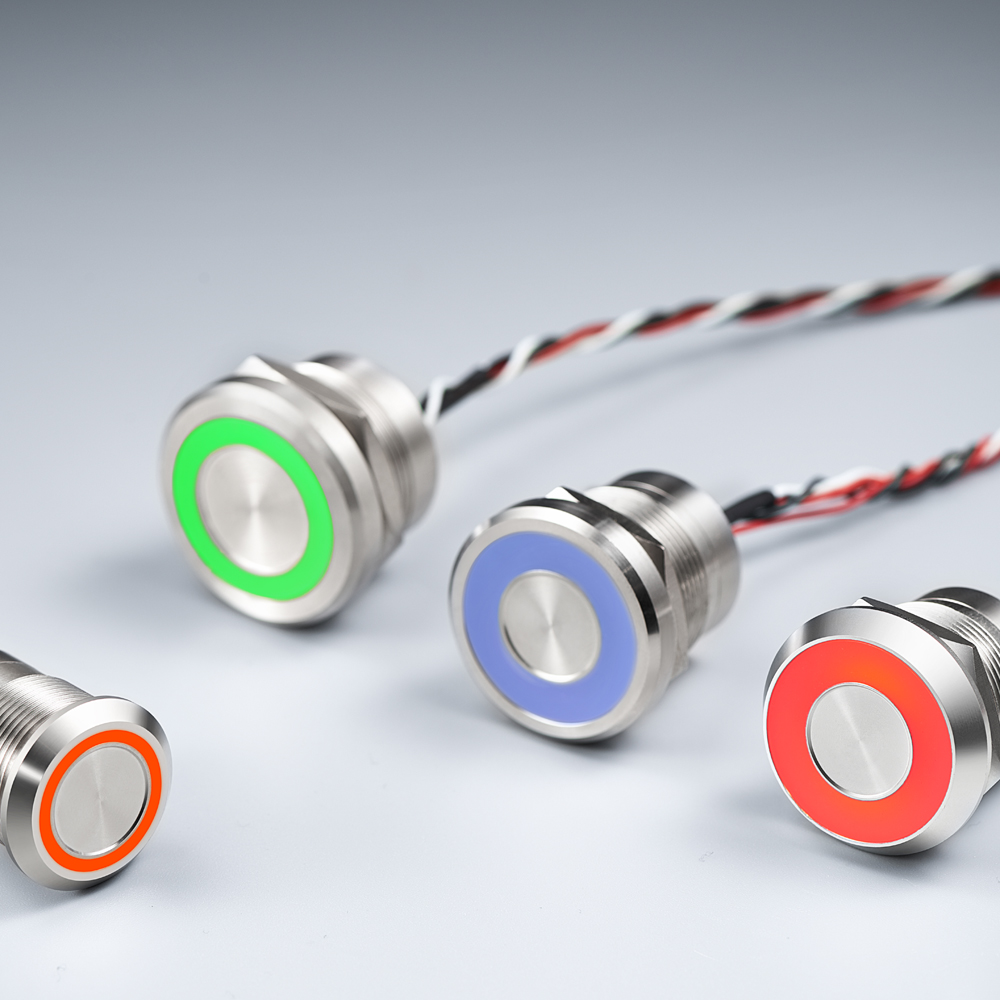 [/vc_column_text][/vc_column][vc_column width=”2/3″][vc_cta h2=”How Capacitive Switches Work” h2_font_container=”tag:h3|font_size:18|text_align:left” h2_use_theme_fonts=”yes” add_button=”bottom” btn_title=”Request a Quote” btn_style=”classic” btn_color=”warning” use_custom_fonts_h2=”true” h2_link=”url:https%3A%2F%2Fwww.langir.com%2Fcategory%2Fcapacitive-switch%2F|target:_blank” btn_link=”url:https%3A%2F%2F#popmake-11886″]Capacitive switches function based on changes in capacitance. They typically consist of two conductive layers separated by a dielectric material, which can be air or another non-conductive substance. When there is no external force applied to the switch, the capacitance between the layers remains constant.
However, when a user touches the switch or brings a conductive object close to it (such as a finger or stylus), the capacitance changes. The electrical field between the conductive layers is disrupted, leading to a change in capacitance. This change is detected by the switch’s electronics, which then triggers a response, such as turning on a light, activating a keypress, or initiating a command.[/vc_cta][/vc_column][/vc_row][vc_row][vc_column width=”3/4″][vc_cta h2=”Advantages of Capacitive Switches” h2_font_container=”tag:h3|font_size:18|text_align:left” h2_use_theme_fonts=”yes” add_button=”bottom” btn_title=”Request a Quote” btn_style=”classic” btn_color=”warning” use_custom_fonts_h2=”true” h2_link=”url:https%3A%2F%2Fwww.langir.com%2Fcategory%2Fcapacitive-switch%2F|target:_blank” btn_link=”url:https%3A%2F%2F#popmake-11886″]
- Durability: Capacitive switches have no physical moving parts, making them highly durable and resistant to wear and tear. This characteristic makes them suitable for applications in harsh environments.
- Sensitivity: They are extremely sensitive to touch, allowing for precise and responsive input. This sensitivity can be adjusted to meet specific requirements, making capacitive switches ideal for various applications.
- Hygiene: Capacitive switches are often used in environments where hygiene is essential, such as medical equipment and public touchscreens, as they do not require direct physical contact.
- Customization: The sensitivity and behavior of capacitive switches can be customized to cater to specific user preferences or industry requirements.
[/vc_cta][/vc_column][vc_column width=”1/4″][vc_column_text]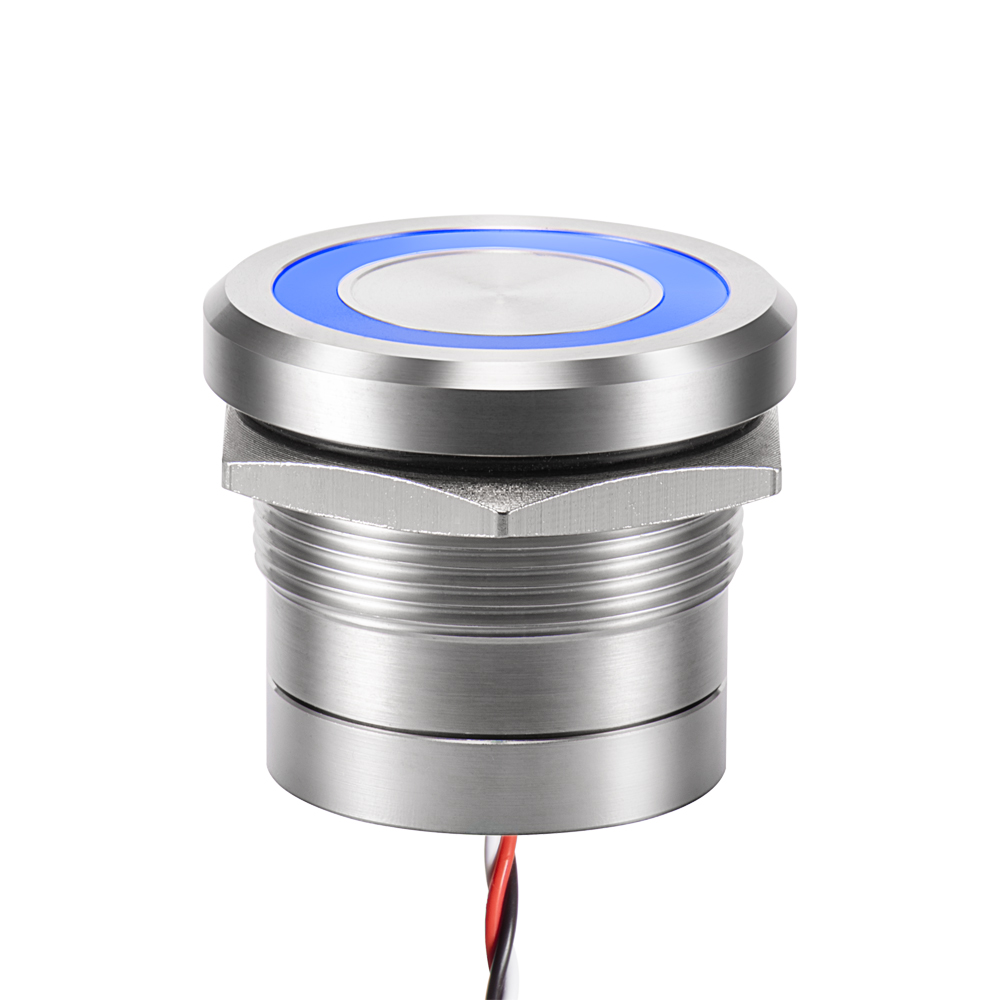 [/vc_column_text][/vc_column][/vc_row][vc_row][vc_column width=”2/5″][vc_column_text]
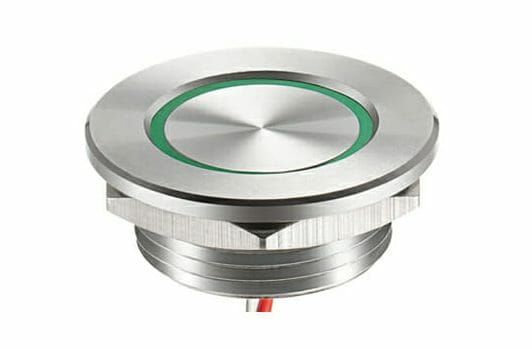 [/vc_column_text][/vc_column][vc_column width=”3/5″][vc_cta h2=”Applications of Capacitive Switches” h2_font_container=”tag:h3|font_size:18|text_align:left” h2_use_theme_fonts=”yes” add_button=”bottom” btn_title=”Request a Quote” btn_style=”classic” btn_color=”warning” use_custom_fonts_h2=”true” h2_link=”url:https%3A%2F%2Fwww.langir.com%2Fcategory%2Fcapacitive-switch%2F|target:_blank” btn_link=”url:https%3A%2F%2F#popmake-11886″]
- Consumer Electronics: They are found in smartphones, tablets, and remote controls, enhancing user interaction and device aesthetics.
- Automotive: Capacitive switches are integrated into car interiors for controlling infotainment systems, climate control, and other functions.
- Industrial Control Panels: These switches are used in industrial settings to operate machinery and monitor processes, where reliability is crucial.
- Home Appliances: Capacitive switches are employed in appliances like ovens and washing machines for touch-sensitive controls.
- Medical Devices: They are used in medical equipment, where sterility and ease of use are critical.
[/vc_cta][/vc_column][/vc_row][vc_row][vc_column][vc_column_text]In conclusion, capacitive materials have found a significant application in capacitive switches, revolutionizing the way we interact with technology and improving the durability and responsiveness of various devices. As technology continues to advance, we can expect to see even more innovative uses of capacitive materials in the future.[/vc_column_text][/vc_column][/vc_row][vc_row][vc_column][vc_column_text]
Advantages and Disadvantages of Capacitive Materials
Capacitive materials offer numerous advantages, including high reliability, long lifespan, and low maintenance. However, they may have limitations, such as sensitivity to temperature and voltage variations. Selecting the appropriate capacitor for a specific application involves considering factors such as capacitance value, voltage rating, and operating temperature. Choosing the right capacitor is crucial for optimal performance.[/vc_column_text][/vc_column][/vc_row][vc_row][vc_column][vc_column_text]
Conclusion
As technology continues to advance, capacitive materials are expected to play an increasingly vital role. Miniaturization, enhanced energy storage, and improved sensitivity are some of the trends we can anticipate in this field.
In conclusion, capacitive materials and capacitors are integral components of modern electronics and technology. Their versatility and diverse range of applications make them indispensable in various industries. Understanding the science behind these materials allows engineers and designers to harness their potential effectively.[/vc_column_text][/vc_column][/vc_row][vc_row][vc_column][vc_column_text]
Frequently Asked Questions
[/vc_column_text][/vc_column][/vc_row][vc_row][vc_column][vc_toggle title=”Are there any emerging technologies related to capacitive materials?” custom_font_container=”tag:h3|font_size:18|text_align:left” custom_use_theme_fonts=”yes” use_custom_heading=”true”]Emerging technologies in the field of capacitive materials include the development of flexible capacitors for wearable electronics, advancements in supercapacitors for rapid energy storage, and research into novel dielectric materials for improved performance.[/vc_toggle][vc_toggle title=”What precautions should be taken when working with capacitive materials?” custom_font_container=”tag:h3|font_size:18|text_align:left” custom_use_theme_fonts=”yes” use_custom_heading=”true”]When working with capacitive materials and electronic components, it’s essential to follow safety guidelines to prevent electrical shocks or damage. Ensure that capacitors are discharged before handling them, and be mindful of voltage ratings to avoid overloading.[/vc_toggle][vc_toggle title=”Are capacitive switches suitable for outdoor use?” custom_font_container=”tag:h3|font_size:18|text_align:left” custom_use_theme_fonts=”yes” use_custom_heading=”true”]Yes, capacitive switches can be designed for outdoor use. By selecting appropriate materials and adding protective features like water and dust resistance, capacitive switches can withstand various environmental conditions. These switches are often used in outdoor kiosks, vehicle control panels, and industrial settings.[/vc_toggle][vc_toggle title=”Can capacitive switches be used in medical devices?” custom_font_container=”tag:h3|font_size:18|text_align:left” custom_use_theme_fonts=”yes” use_custom_heading=”true”]Absolutely. Capacitive switches are commonly used in medical devices due to their sensitivity, reliability, and ease of cleaning. They are ideal for applications where sterility is essential, such as in surgical equipment and diagnostic devices.[/vc_toggle][vc_toggle title=”How can I adjust the sensitivity of a capacitive switch?” custom_font_container=”tag:h3|font_size:18|text_align:left” custom_use_theme_fonts=”yes” use_custom_heading=”true”]The sensitivity of a capacitive switch can typically be adjusted through the switch’s electronics or software settings. Manufacturers often provide guidelines or tools for users or technicians to customize sensitivity to their specific needs. This flexibility makes capacitive switches suitable for a wide range of applications and user preferences.[/vc_toggle][/vc_column][/vc_row][vc_row][vc_column][vc_zigzag]
[/vc_column][/vc_row][vc_row][vc_column][vc_zigzag][/vc_column][/vc_row]
Leave a Reply