
[vc_row][vc_column][vc_column_text css=””]
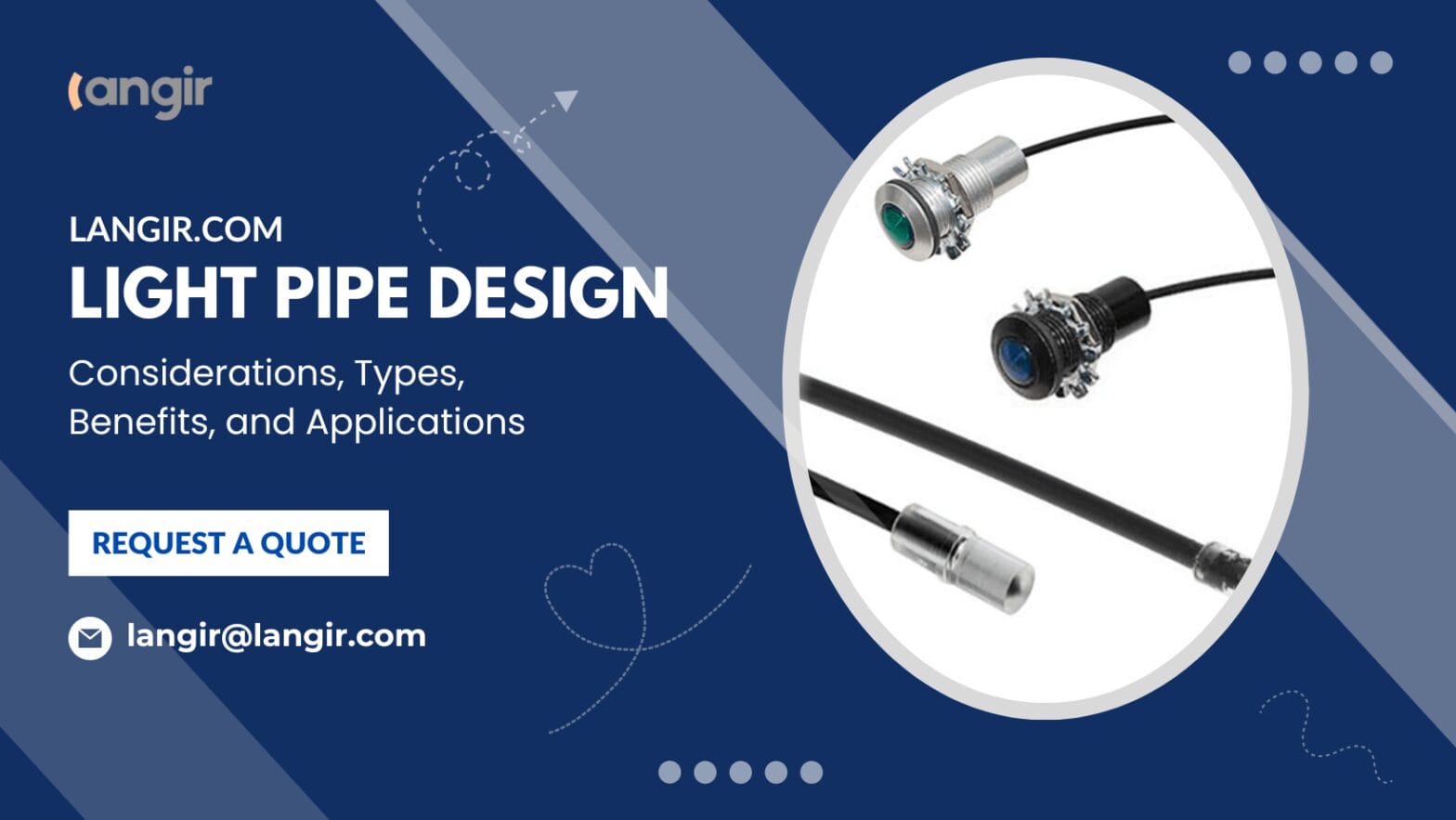
Light Pipe Design: Considerations, Types, Benefits, and Applications
[/vc_column_text][vc_single_image image=”12368″ img_size=”full” css=””][/vc_column][/vc_row][vc_row][vc_column][vc_column_text css=””]Lighting can be a game changer, whether you are manufacturing something or just need to enhance the overall aesthetics. Many lighting equipment is available on the market, but light pipe designs are gaining traction as they provide efficient and targeted illumination.
They are being frequently used in many industries, including automotive, electronics, and healthcare, due to their ability to improve visibility and reduce energy consumption. Statistics reveal that the light pipe market is growing rapidly, with its size expected to hit $521 million by the end of 2030, which is huge.
This article is your ultimate guide on light pipe designs, their working, benefits, and much more. So, let’s begin![/vc_column_text][/vc_column][/vc_row][vc_row][vc_column width=”1/4″][vc_column_text css=””] [/vc_column_text][/vc_column][vc_column width=”3/4″][vc_column_text css=””]
What is a Light Pipe?
Light pipes, or light tubes, are tube-like optical structures made of plastic. These pipes transmit light from a board-mounted LED or source to a specific location where it can be viewed easily. Some light pipes are also made of glass and use the mechanism of total internal reflection to diffuse or direct light. They can be curved, straight, or complex to meet specific requirements. [/vc_column_text][vc_btn title=”Request a Quote” style=”classic” color=”warning” css=”” link=”url:http%3A%2F%2F%23popmake-11886″][/vc_column][/vc_row][vc_row][vc_column][vc_column_text css=””]
Working Principle of a Light Pipe
[/vc_column_text][/vc_column][/vc_row][vc_row][vc_column][vc_column_text css=””]Now let’s discuss the working principle of light pipe design to understand it better:
Typically, the workings of a light pipe are based on two phenomena called refraction and total internal reflection. Therefore, the light pipe material must be clear and positioned close to the light source, aka the LED light. This allows for clear and smooth light transmission to the desired location, which can be a device’s front panel or user interface.
These light pipes or tubes are popular due to their ability to carry light waves efficiently, generally up to 90 percent. However, you should know that this light transmission produces some heat that may lead to material degradation, impacting the overall performance of the light pipe. So, you must consider this factor when coming up with a light pipe design and maintain a good distance between the light source and the pipe structure. [/vc_column_text][/vc_column][/vc_row][vc_row][vc_column][vc_column_text css=””]
Types of a Light Pipe Design
[/vc_column_text][/vc_column][/vc_row][vc_row][vc_column][vc_column_text css=””]There are various types of light pipe designs based on their structure and attachment. Some of these are discussed below:[/vc_column_text][/vc_column][/vc_row][vc_row][vc_column][vc_column_text css=””]
Based on Structure
Here are the types of light pipe designs based on their structure:[/vc_column_text][/vc_column][/vc_row][vc_row content_placement=”middle”][vc_column width=”1/3″][vc_column_text css=””]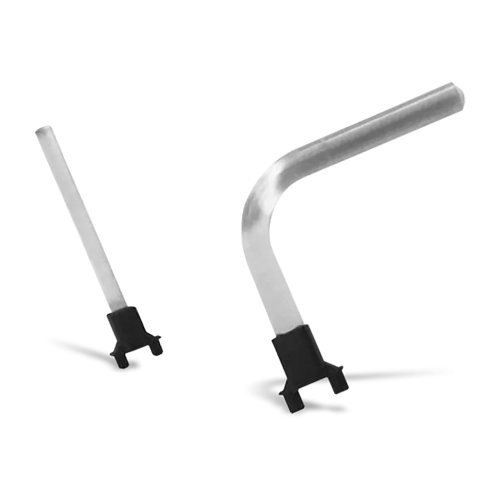 [/vc_column_text][/vc_column][vc_column width=”2/3″][vc_column_text css=””]
Rigid Light Pipes
As the name suggests, rigid light pipes are suitable for applications where the light doesn’t need to bend. These polycarbonate pipes are positioned at right angles or vertically and transmit light over short distances in moderate to high vibration conditions. Some rigid light pipes with IP ratings even work perfectly in rusty or moist conditions. [/vc_column_text][vc_btn title=”Request a Quote” style=”classic” color=”warning” css=”” link=”url:http%3A%2F%2F%23popmake-11886″][/vc_column][/vc_row][vc_row content_placement=”middle”][vc_column width=”1/3″][vc_column_text css=””] [/vc_column_text][/vc_column][vc_column width=”2/3″][vc_column_text css=””]
Flexible Light Pipes
Flexible light pipes are bendable and are suitable for applications where the light has to move through various obstacles from the LED to the front panel. These pipes are immune to electromagnetic interference and don’t conduct any electrostatic discharge pulses. You can use them to carry light around tight or curved spaces without experiencing any energy loss. [/vc_column_text][vc_btn title=”Request a Quote” style=”classic” color=”warning” css=”” link=”url:http%3A%2F%2F%23popmake-11886″][/vc_column][/vc_row][vc_row][vc_column][vc_column_text css=””]
Based on the Mounting Type
[/vc_column_text][/vc_column][/vc_row][vc_row][vc_column][vc_column_text css=””]There are two types of light pipe designs based on the mounting. These include:[/vc_column_text][/vc_column][/vc_row][vc_row content_placement=”middle”][vc_column width=”1/3″][vc_column_text css=””] [/vc_column_text][/vc_column][vc_column width=”2/3″][vc_column_text css=””]
Panel Mount Light Pipes
Panel-mount light pipes are installed directly into the front panel or user interface. These light pipes typically guide light from an internal source, such as an LED on a printed circuit board, to the front panel, which is the external display.
Board Mount Light Pipes
Board-mount light pipes are designed to be directly mounted onto a PCB. How? Well, on the same end where the LED is attached to the printer circuit board, the light pipe can be attached to the PCB. This type of light pipe design is most suited for applications where space is at a premium, like some densely packed electronics. [/vc_column_text][vc_btn title=”Request a Quote” style=”classic” color=”warning” css=”” link=”url:http%3A%2F%2F%23popmake-11886″][/vc_column][/vc_row][vc_row][vc_column][vc_column_text css=””]
Types of Materials Used in a Light Pipe
[/vc_column_text][/vc_column][/vc_row][vc_row][vc_column][vc_column_text css=””]Here are the different types of materials that are used in a light pipe design:[/vc_column_text][/vc_column][/vc_row][vc_row][vc_column][vc_tta_tabs][vc_tta_section title=”Polycarbonate” tab_id=”1716177020794-05fb3daa-865d”][vc_column_text css=””]Polycarbonate belongs to the thermoplastic group and contains carbonate groups in its structure, thus giving it the name polycarbonate. It’s a commonly used light pipe material, and rightly so. This material is highly transparent, with a refractive index of 1.59. It’s also inflammable, flexible, and highly impact-resistant, catering to demanding applications. [/vc_column_text][/vc_tta_section][vc_tta_section title=”Acrylic” tab_id=”1716177020824-9c815d74-2e68″][vc_column_text css=””]Acrylic is another material you can use for your light pipe design. With a refractive index of 1.49, this material has excellent optical clarity, allowing for clear light transmission. Acrylic’s light transmission efficiency is 92%. It has high weathering properties and is flammable at high temperatures, such as 450° C. [/vc_column_text][/vc_tta_section][/vc_tta_tabs][/vc_column][/vc_row][vc_row][vc_column][vc_column_text css=””]
Considerations for a Light Pipe Design
[/vc_column_text][/vc_column][/vc_row][vc_row][vc_column][vc_column_text css=””]If you are all set to create your light pipe design, there are various things to consider. These are given as:[/vc_column_text][/vc_column][/vc_row][vc_row][vc_column width=”1/2″][vc_column_text css=””]
Position of Light Source
The position of the light source is fundamental to the design of a light pipe. Therefore, the LED should be precisely aligned with the entry point of the light pipe to maximize light capture and transmission. Any misalignment can result in significant light loss and be less efficient. Besides, the light source or LED source should be close to the emitting source to ensure higher transmitting efficiency. [/vc_column_text][/vc_column][vc_column width=”1/2″][vc_column_text css=””]
Light Intensity Requirements
Another important consideration is the light intensity requirement from your light pipe design. For this, you should pay special attention to the length of the pipe and the complexity of the path. Longer paths with multiple turns and bends need intense light sources to maintain adequate illumination at the output. Also, ensure the material you choose has high optical clarity, such as polycarbonate. [/vc_column_text][/vc_column][/vc_row][vc_row][vc_column][vc_column_text css=””]
Best Light Pipe Available!
[/vc_column_text][/vc_column][/vc_row][vc_row][vc_column][vc_column_text css=””]There are plenty of light pipe designs you’ll come across. However, here’s the best option for your application:[/vc_column_text][/vc_column][/vc_row][vc_row][vc_column][vc_column_text css=””]
Langir Light Pipes
[/vc_column_text][/vc_column][/vc_row][vc_row][vc_column][vc_column_text css=””]Langir Light Pipes are designed with high-quality optical fibers or clear silicone, making them durable and effective in minimizing light loss. These are versatile and can be customized to meet specific needs with options including surface mount or through-hole configurations, moisture-sealed designs, as well as lens cap options.
Installing these pipes is a breeze as they can be bent and twisted to fit into congested places. They enhance the brightness of PCB-mounted LEDs, providing clear indication or user feedback on the front panel. What truly sets these Langir light pipes apart is that they feature jacketed fiber optic systems that can be mounted directly onto PCBs, ensuring smooth light transmission over long distances. [/vc_column_text][/vc_column][/vc_row][vc_row content_placement=”middle”][vc_column width=”1/3″][vc_column_text css=””] [/vc_column_text][/vc_column][vc_column width=”2/3″][vc_column_text css=””]
Key Features
- Made from durable optical fibers or clear silicone.
- Jacketed fiber optic systems are suitable for efficient light transmission and SMD and through-hole LEDs.
- Improves PCB-mounted LED visibility for clear front panel indication.
[/vc_column_text][vc_btn title=”Request a Quote” style=”classic” color=”warning” css=”” link=”url:http%3A%2F%2F%23popmake-11886″][/vc_column][/vc_row][vc_row][vc_column][vc_column_text css=””]
Benefits of a Light Pipe
[/vc_column_text][/vc_column][/vc_row][vc_row][vc_column][vc_column_text css=””]Now let’s discuss the many benefits you can enjoy from a light pipe design:[/vc_column_text][/vc_column][/vc_row][vc_row][vc_column][vc_tta_accordion][vc_tta_section title=”Easily Customizable” tab_id=”1716177449898-d39c0fb0-5828″][vc_column_text css=””]Well, firstly, light pipes offer a high level of customization, allowing them to be tailored to specific design requirements. They are available in various shapes and can be designed with different end configurations and lens caps. This flexibility enables you to design light pipes that can easily fit into small and complex spaces. [/vc_column_text][/vc_tta_section][vc_tta_section title=”Reduced Light Leakages” tab_id=”1716177449944-65da07af-dbad”][vc_column_text css=””]One of the key advantages of light pipes is that they minimize light leakages. The light is properly channeled from the source to the desired location, ensuring that the majority of the light emitted is used effectively. This reduces unwanted light spills and enhances the overall brightness and clarity of the output. [/vc_column_text][/vc_tta_section][vc_tta_section title=”Easy Installation” tab_id=”1716177500561-a525a8c9-e0ee”][vc_column_text css=””]The most important benefit of a light pipe design is its easy installation. You don’t require the expertise of a professional to set it up. Instead, you can easily install them by connecting a press-fit or a snap with a snap-fit pipe. [/vc_column_text][/vc_tta_section][vc_tta_section title=”Cost Effective” tab_id=”1716177523677-26d8ea01-65be”][vc_column_text css=””]Traditional light transmission technologies like fiber optics are quite costly. Compared to this, light pipes are made of polycarbonate and acrylics that are cost-efficient. In addition, light pipes are more durable than other alternatives, reducing maintenance and replacement costs and ultimately serving you in the long run. [/vc_column_text][/vc_tta_section][/vc_tta_accordion][/vc_column][/vc_row][vc_row][vc_column][vc_column_text css=””]
Applications of a Light Pipe
[/vc_column_text][/vc_column][/vc_row][vc_row][vc_column][vc_column_text css=””]Light pipe designs are used in various applications, and some of these are discussed below:[/vc_column_text][/vc_column][/vc_row][vc_row content_placement=”middle”][vc_column width=”1/2″][vc_column_text css=””]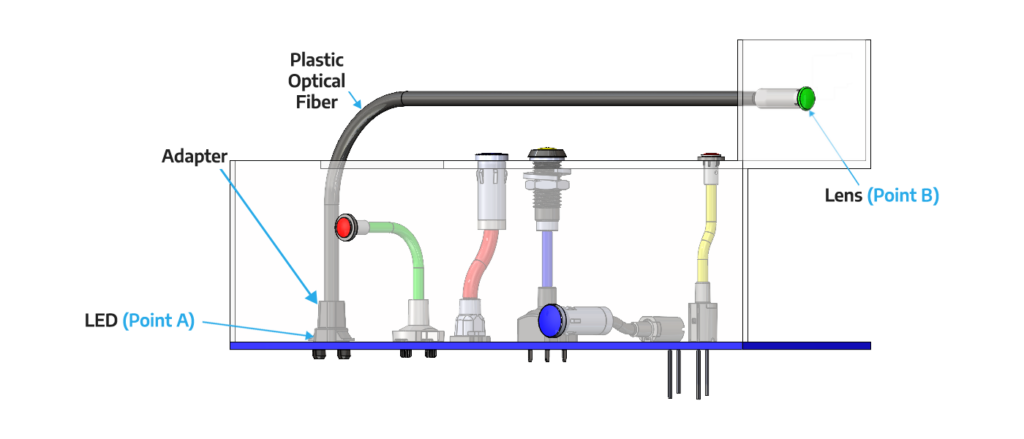 [/vc_column_text][vc_btn title=”Request a Quote” style=”classic” color=”warning” align=”center” css=”” link=”url:http%3A%2F%2F%23popmake-11886″][/vc_column][vc_column width=”1/2″][vc_tta_accordion][vc_tta_section title=”Electronic Devices” tab_id=”1716177901086-7f861ef6-98bd”][vc_column_text css=””]In electronic devices such as printers, smartphones, cameras light pipes are used to transmit light from LEDs to external indicators, buttons, or displays. They ensure clear visibility of status, improving overall user experience. [/vc_column_text][/vc_tta_section][vc_tta_section title=”Automotive” tab_id=”1716177901131-f2f8da28-bb2c”][vc_column_text css=””]When it comes to automotives, you’ll find light pipes in both exterior and interior lighting applications. For instance, they may guide light from LED to dashboard indicators, and interior mood lighting. Moreover, they can also be used in tail lights, brake lights, and turn signals, boosting overall visibility and aesthetics. [/vc_column_text][/vc_tta_section][vc_tta_section title=”Communication Equipment” tab_id=”1716177943663-b4227266-280a”][vc_column_text css=””]Light pipes also play a crucial role in communication equipment like routers, switches, and modems. They send light signals from internal components to the device’s exterior so users can have better control over equipment operation.[/vc_column_text][/vc_tta_section][vc_tta_section title=”Medical Devices” tab_id=”1716177965896-5298852b-b4a0″][vc_column_text css=””]Light pipes are crucial in medical devices, serving various purposes, including indicator lights, display backlighting, and diagnostic illumination. This ensures the medical devices work accurately, becoming lifesavers for many people. [/vc_column_text][/vc_tta_section][vc_tta_section title=”Industrial Control Devices” tab_id=”1716177986339-b8e66884-ce6f”][vc_column_text css=””]Industrial control devices like machinery, equipment panels, and control panels also have light pipes. They facilitate clear visualization of equipment status, whether it’s in the “On” state or “Off” state. In addition, they also offer greater visibility so workers can carry out operations without any error. [/vc_column_text][/vc_tta_section][vc_tta_section title=”Security Control Systems” tab_id=”1716178010822-701480c8-7700″][vc_column_text css=””]In security control systems such as access control panels, surveillance cameras, and alarm systems, light pipes are used to indicate status or send alerts. Security personnel can rely on this feedback to take action against any abnormalities or security breaches. [/vc_column_text][/vc_tta_section][/vc_tta_accordion][/vc_column][/vc_row][vc_row][vc_column][vc_column_text css=””]
Light Pipe Vs Light Diffuser
[/vc_column_text][/vc_column][/vc_row][vc_row][vc_column][vc_column_text css=””]Many people often confuse the term light pipe with light diffuser, but both are two different things. A light pipe design is used to transmit light from an LED source to a specific location with minimum loss. On the other hand, light diffuser scatters or diffuses the light evenly across a surface or spade.
It works by breaking up and dispersing light rays, creating a soft illumination without any rays and shadows. They can be placed directly on an LED or at some distance and their ultimate goal is to spread light over a large area. [/vc_column_text][/vc_column][/vc_row][vc_row][vc_column width=”1/3″][vc_column_text css=””][/vc_column_text][/vc_column][vc_column width=”2/3″][vc_column_text css=””]
FAQs
[/vc_column_text][vc_toggle title=”Is light pipe used in endoscopy?” custom_font_container=”tag:h3|font_size:18px|text_align:left” custom_use_theme_fonts=”yes” css=”” use_custom_heading=”true”]Yes, light pipes are used in endoscopy to transilluminate the lacrimal sac endonasally. They can be inserted into the endoscope to transmit light from an external source to the area being examined. This ensures medical practitioners have a clear view of the internal organs and make accurate decisions regarding patient health. [/vc_toggle][vc_toggle title=”What is the bend radius of a light pipe?” custom_font_container=”tag:h3|font_size:18px|text_align:left” custom_use_theme_fonts=”yes” css=”” use_custom_heading=”true”]The bend radius of a light pipe, particularly a flexible light pipe, is typically 10 times the outer diameter of the light pipe. This ensures that excessive bending doesn’t cause light loss or distortion, preserving the quality of illumination. [/vc_toggle][vc_toggle title=”How efficient is a light pipe?” custom_font_container=”tag:h3|font_size:18px|text_align:left” custom_use_theme_fonts=”yes” css=”” use_custom_heading=”true”]Light pipes are highly efficient, with efficiency percentages ranging from 80 to 90 percent, depending on the design. This means that they can be used for applications where clear illumination is needed, such as control panels and security displays. [/vc_toggle][vc_toggle title=”What is the difference between light pipe and optical fiber?” custom_font_container=”tag:h3|font_size:18px|text_align:left” custom_use_theme_fonts=”yes” css=”” use_custom_heading=”true”]Both light pipes and optical fiber serve the same purpose: transmitting light. However, light pipes are suitable when you are low on budget and want to send light signals over a short distance. On the other hand, optical fibers are quite costly but find applications in scenarios where long-distance light transmission is necessary, such as telecommunication systems. [/vc_toggle][vc_btn title=”Request a Quote” style=”classic” color=”warning” css=”” link=”url:http%3A%2F%2F%23popmake-11886″][/vc_column][/vc_row][vc_row][vc_column][vc_column_text css=””]
Conclusion
[/vc_column_text][/vc_column][/vc_row][vc_row][vc_column][vc_column_text css=””]When designing your light pipe, it’s essential to ensure the material you use is durable and clear enough for proper reflection. In addition, you should place the LED or light source at the entry point of the light pipe to enjoy maximum brightness and illumination. There are plenty of light pipe options available in the market, but if you are unable to make a decision, Langir is your one-stop shop. We offer high-quality, IP-rated, flexible, and affordable light pipes.
Contact us today to explore our range of light pipes and other electronic components, which will illuminate your projects with clarity and efficiency![/vc_column_text][/vc_column][/vc_row][vc_row][vc_column][vc_zigzag]
[/vc_column][/vc_row][vc_row][vc_column][vc_zigzag][/vc_column][/vc_row]
Leave a Reply