
[vc_row][vc_column][vc_column_text]
How to Test and Troubleshoot a DC Circuit Breaker
[/vc_column_text][vc_single_image image=”12047″ img_size=”full”][/vc_column][/vc_row][vc_row][vc_column][vc_column_text]DC circuit breakers are essential components in maintaining the safety and integrity of electrical systems. They protect against damage from overloads and short circuits by interrupting power flow. Given their importance, understanding how to test and troubleshoot these devices is critical. This article delves deeper into the specifics of testing and troubleshooting DC circuit breakers, offering a more detailed and practical approach.[/vc_column_text][/vc_column][/vc_row][vc_row content_placement=”middle”][vc_column width=”1/3″][vc_column_text]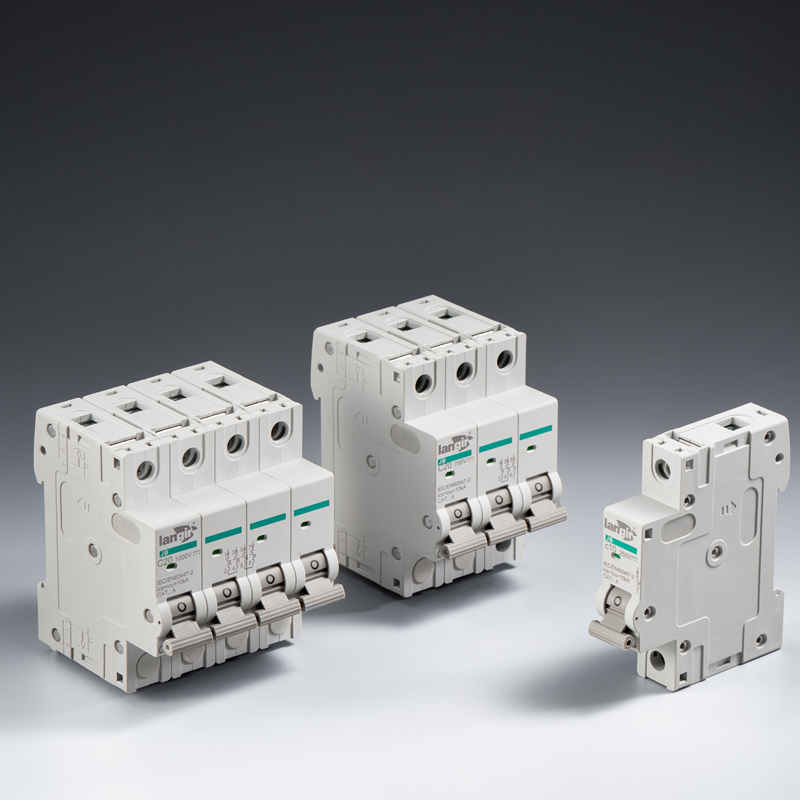
[/vc_column_text][/vc_column][vc_column width=”2/3″][vc_column_text]
What is a DC Circuit Breaker
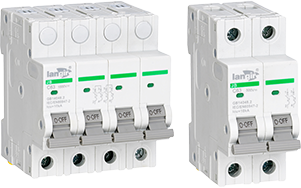
A DC circuit breaker, an automatic electrical switch, is designed to protect an electrical circuit from damage caused by excess current due to an overload or a short circuit by interrupting the current flow.
Types of DC Circuit Breakers
There are primarily three types: magnetic, thermal, and hybrid. Each has its mechanism for detecting faults and interrupting current flow, tailored to specific applications and requirements.[/vc_column_text][vc_btn title=”Request a Quote” style=”classic” color=”warning” css=”” link=”url:https%3A%2F%2F#popmake-11886″][/vc_column][/vc_row][vc_row][vc_column][vc_column_text]
Preparation for Testing
Tools Required
Gather essential tools: a digital multimeter, an insulation resistance tester, and a circuit breaker tester, along with personal protective equipment like gloves and safety glasses.
Safety Precautions
Ensure the power supply is turned off before starting the test. Verify this with a voltage tester to avoid electric shock.[/vc_column_text][/vc_column][/vc_row][vc_row content_placement=”middle”][vc_column width=”1/3″][vc_column_text]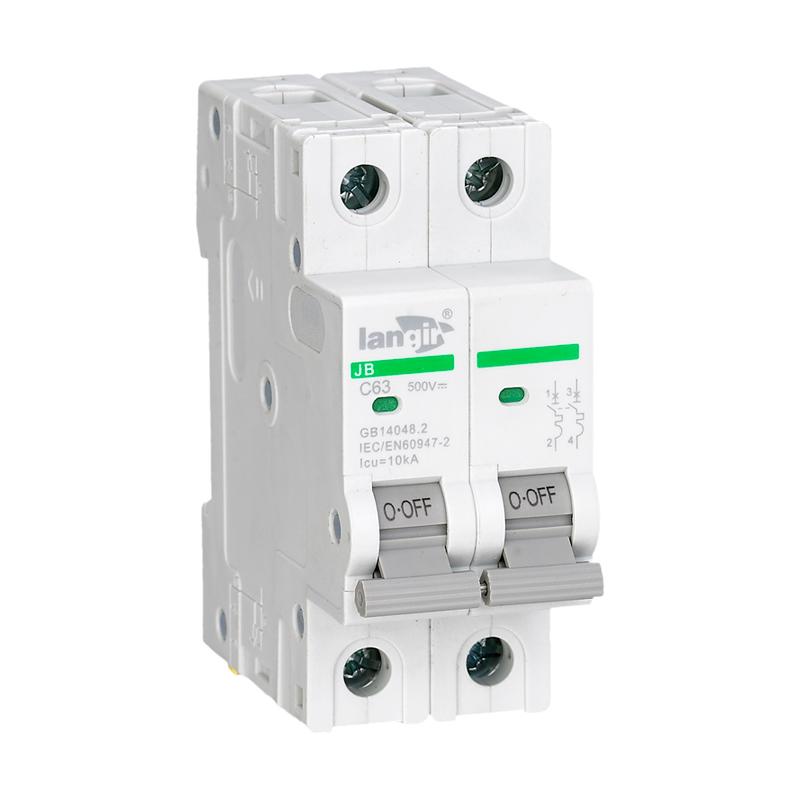 [/vc_column_text][/vc_column][vc_column width=”2/3″][vc_column_text]
Electrical Test
- Continuity Check: Set your multimeter to continuity mode. Test the breaker in the “ON” position by placing the multimeter probes on the terminal screws. A continuous tone indicates the breaker is good.
- Resistance Measurement: With the breaker still in the “ON” position, check the resistance. A very low resistance value (close to zero ohms) indicates good condition, whereas high resistance suggests a problem.
- Voltage Test: With the circuit powered on, measure the voltage across the breaker. The presence of voltage on one side and not the other, when the breaker is “ON,” indicates a faulty breaker.
[/vc_column_text][vc_btn title=”Request a Quote” style=”classic” color=”warning” css=”” link=”url:https%3A%2F%2F#popmake-11886″][/vc_column][/vc_row][vc_row][vc_column][vc_column_text]
Troubleshooting Common Problems
[/vc_column_text][/vc_column][/vc_row][vc_row][vc_column width=”1/3″][vc_column_text]
Circuit Breaker Won’t Reset
- Check for an overloaded circuit or a persistent short circuit in the system. Remove some devices or check wiring to identify and fix the overload or short.
[/vc_column_text][/vc_column][vc_column width=”1/3″][vc_column_text]
Circuit Breaker Trips Frequently
- This may be due to an overloaded circuit, a short circuit, or a malfunctioning breaker. Methodically disconnect appliances or sections of the wiring and test to isolate the issue.
[/vc_column_text][/vc_column][vc_column width=”1/3″][vc_column_text]
No Power despite Circuit Breaker being ON
- Ensure connections are tight and secure.
- Use a multimeter to check for continuity in the wiring downstream of the breaker.
- Test for voltage at the load point to determine if the issue lies with the wiring or the connected device.
[/vc_column_text][/vc_column][/vc_row][vc_row][vc_column][vc_column_text]
Advanced Troubleshooting Techniques
Using a Multimeter to Check for Short Circuits: Disconnect the load and check resistance across the circuit’s wiring. A low resistance reading indicates a short circuit.
Inspecting for Overload: Calculate the total load on the circuit and compare it with the breaker’s rated capacity. Exceeding this capacity can cause the breaker to trip.[/vc_column_text][/vc_column][/vc_row][vc_row][vc_column][vc_column_text]
Maintenance Tips
Regular Inspection: Conduct visual and mechanical inspections periodically to ensure the breaker’s integrity.
Proper Handling and Storage: When not in use, store circuit breakers in a controlled environment to prevent damage from moisture or extreme temperatures.[/vc_column_text][/vc_column][/vc_row][vc_row content_placement=”middle”][vc_column width=”1/3″][vc_column_text]
[/vc_column_text][/vc_column][vc_column width=”2/3″][vc_column_text]
Conclusion
Handling electrical systems demands careful attention to safety, knowledge, and accuracy. Always use the correct tools and safety gear, and adhere to electrical codes. If unsure about safely completing a task, seek a professional electrician’s help.
A thorough approach in testing and troubleshooting DC circuit breakers is crucial for system safety and efficiency. This guide aims to deepen your understanding, enabling effective problem identification and resolution. Regular upkeep and knowing your system well can help avoid most issues, ensuring a secure and dependable power setup.[/vc_column_text][vc_btn title=”Request a Quote” style=”classic” color=”warning” css=”” link=”url:https%3A%2F%2F#popmake-11886″][/vc_column][/vc_row][vc_row][vc_column][vc_column_text]
FAQs
[/vc_column_text][/vc_column][/vc_row][vc_row][vc_column][vc_toggle title=”How can I prevent my DC circuit breaker from tripping frequently?” custom_font_container=”tag:h3|font_size:18px|text_align:left” custom_use_theme_fonts=”yes” use_custom_heading=”true”]Ensure the circuit is not overloaded and that all connections are secure. Regular maintenance checks can also help identify potential issues before they cause the breaker to trip.[/vc_toggle][vc_toggle title=”What should I do if my DC circuit breaker fails to reset?” custom_font_container=”tag:h3|font_size:18px|text_align:left” custom_use_theme_fonts=”yes” use_custom_heading=”true”]First, try to identify and rectify any obvious causes of overload or short circuits. If the problem persists, the breaker itself may be faulty and need replacement.[/vc_toggle][vc_toggle title=”Can a DC circuit breaker wear out over time?” custom_font_container=”tag:h3|font_size:18px|text_align:left” custom_use_theme_fonts=”yes” use_custom_heading=”true”]
[/vc_toggle][vc_toggle title=”Is there a difference in testing procedures between AC and DC circuit breakers?” custom_font_container=”tag:h3|font_size:18px|text_align:left” custom_use_theme_fonts=”yes” use_custom_heading=”true”]
[/vc_toggle][vc_toggle title=”How do I know if a DC circuit breaker is suitable for my application?” custom_font_container=”tag:h3|font_size:18px|text_align:left” custom_use_theme_fonts=”yes” use_custom_heading=”true”]
[/vc_toggle][/vc_column][/vc_row][vc_row][vc_column][vc_zigzag]
[/vc_column][/vc_row][vc_row][vc_column][vc_zigzag][/vc_column][/vc_row]
Leave a Reply