New_category: Technical Information

Technical Information

  • What is Thermal Protection?

    What is Thermal Protection?

    [vc_row][vc_column][vc_column_text]

    What is Thermal Protection?

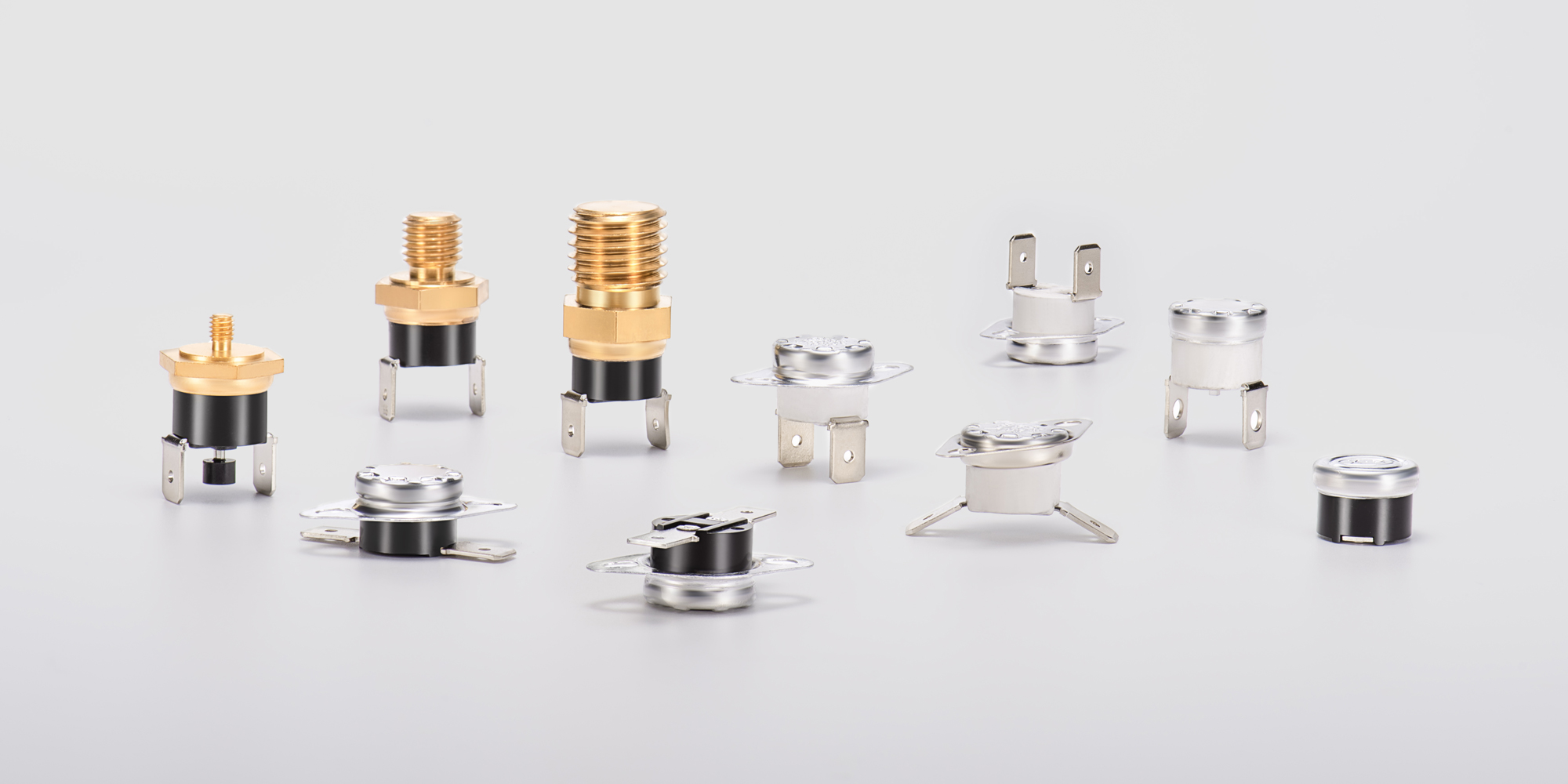
    [/vc_column_text][vc_column_text]Thermal protection is a method of detecting over-temperature conditions and disconnecting the power to the electronic circuits. The protection prevents fires or damage to electronics components, which may arise due to the excess heat in the power supplies or other equipment.

    Temperature in power supplies rises due to both environmental factors as well as heat generated by the components themselves. The amount of heat varies from one power supply to another and may be a factor of design, power capacity and load. Natural convention is adequate for removing the heat away from smaller power supplies and equipment; however, forced cooling is required for larger supplies.

    When the devices operate within their safe limits, the power supply delivers the intended power. However, if the thermal capacities are exceeded, the components start deteriorating and eventually fail if operated under excess heat for long. The advanced supplies and electronic equipment have a form of temperature control in which the equipment shuts down when the component temperature exceeds the safe limit.[/vc_column_text][vc_column_text]

    Devices used to protect against over-temperature

    [/vc_column_text][vc_column_text]There are different methods of protecting power supplies and electronics equipment from over temperature conditions. The choice depends on the sensitivity and complexity of the circuit. In complex circuits, a self resetting form of protection is used. This enables the circuit to resume operation, once the temperature goes down to normal.[/vc_column_text][/vc_column][/vc_row][vc_row][vc_column][vc_zigzag]

    Get Custom Quote
    We’ll get back to you within 12 hours.
    Drag & Drop Files, Choose Files to Upload You can upload up to 3 files.
    [/vc_column][/vc_row][vc_row][vc_column][vc_zigzag][/vc_column][/vc_row]

  • What Is a Touch Switch? What You Should Know

    What Is a Touch Switch? What You Should Know

    [vc_row][vc_column][vc_column_text]

    What Is a Touch Switch? What You Should Know

    [/vc_column_text][vc_single_image image=”7771″ img_size=”1200X300″ alignment=”center”][vc_column_text]Switches are used in countless electronic devices, ranging from lamps and overhead light fixtures to TVs, computers and more. By definition, a switch is an electrical component that’s used to control a circuit. When the switch is pressed, the circuit closes. When the switch is released, the circuit reverts back to its open state. There are different types of switches, however, one of which is a touch switch.[/vc_column_text][/vc_column][vc_column][vc_column_text]

    Touch Switches Explained

    [/vc_column_text][vc_column_text]A touch switch is a special type of switch that, as the name suggests, operates via touch. In other words, you don’t have to necessarily press enough a touch switch. Just touching it should trigger the circuit to open or close.

    Touch switches are frequently used in lamps and wall-mounted light switches. They offer a clean, low-profile design that many consumers and business owners prefer over traditional mechanical switches.[/vc_column_text][vc_column_text]

    How Touch Switches Differ From Mechanical Switches

    [/vc_column_text][vc_column_text]Mechanical switches, on the other hand, require greater physical force to open and close the respective electrical circuit. There are typically two layers of conductive traces within a mechanical switch. To close the electrical circuit, you must press the mechanical switch hard enough so that these layers meet.[/vc_column_text][vc_column_text]

    The 3 Different Types of Touch Switches

    [/vc_column_text][vc_column_text]All touch switches are characterized by touch-based operation, meaning you can open and close the respective electrical circuit simply by touching the switch. With that said, there are three primary types of touch switches, including capacitive, resistive and piezo.

    Capacitive switches are characterized by a single electrode. The electrode is typically found behind a layer of nonconductive material, such as glass or plastic. Capacitive switches work in a similar manner as capacitive touchscreens by relying on the human body’s conductive properties to open and close the circuit. When you tap or touch a capacitive switch, its capacitance will drop, thereby triggering the circuit to open or close.

    Resistive touch switches are characterized by the use of two electrodes. When you tap or touch a resistive touch switch, the resistance between the electrodes decreases, thereby triggering the circuit to open or close. Resistive touch switches are simpler than their capacitive counterparts, making them a popular choice among consumers and business owners.

    Finally, piezo touch switches leverage the properties of piezo ceramic to open and close an electrical circuit. They are made of piezo ceramic, which is usually found behind an exterior top layer, to support touch input from any object as well as a bare or gloved finger.[/vc_column_text][/vc_column][/vc_row][vc_row][vc_column width=”1/3″][vc_single_image image=”9972″ img_size=”large” alignment=”center” style=”vc_box_rounded” onclick=”custom_link” link=”https://test.langir.com/category/piezo-switch/”][vc_column_text]Piezo switches have some interesting advantages over their conventional mechanical counterparts. One is that there are no moving parts necessary for them to do their job. This means the lifetime of such a switch can be ensured to be tens of millions of operations, since there is no wear involved.
    Another advantage is that they may easily be completely sealed from the environment and thus made weatherproof. They are often constructed with stainless steel housings such that they are resistant to damage by vandals or heavy use.[/vc_column_text][/vc_column][vc_column width=”1/3″][vc_single_image image=”10030″ img_size=”large” alignment=”center” style=”vc_box_rounded” onclick=”custom_link” link=”https://test.langir.com/category/capacitive-switch/”][vc_column_text]A capacitive switch is a touch sensor or type of touch-controlled electrical switch that operates by measuring change in capacitance; also known as touch sensor technology. Touch switches are used in the following applications: white goods, security devices, commercial appliances, kiosks, electrical housewares and medical equipment.[/vc_column_text][/vc_column][vc_column width=”1/3″][vc_single_image image=”9903″ img_size=”large” alignment=”center” style=”vc_box_rounded” onclick=”custom_link” link=”https://test.langir.com/category/anti-vandal-switch/”][vc_column_text]Anti- vandal switches are designed for applications that are subjected to harsh use and attempts to damage them. Applications for anti-vandal switches (and tamper proof) include vending kiosks, public ticket dispensers, pedestrian cross walk signals and security keypad panels in a gated community.[/vc_column_text][/vc_column][/vc_row][vc_row][vc_column][vc_zigzag]

    Get Custom Quote
    We’ll get back to you within 12 hours.
    Drag & Drop Files, Choose Files to Upload You can upload up to 3 files.
    [/vc_column][/vc_row][vc_row][vc_column][vc_zigzag][/vc_column][/vc_row]

  • What Is an Actuator in an Electrical Switch?

    What Is an Actuator in an Electrical Switch?

    [vc_row][vc_column][vc_column_text]

    What Is an Actuator in an Electrical Switch?

    [/vc_column_text][vc_row_inner][vc_column_inner][vc_single_image image=”39″ img_size=”1200×400″ alignment=”center”][/vc_column_inner][/vc_row_inner][vc_column_text]Electrical switches are used in a variety of electronics and devices. As you may already know, their primary purpose is to control the flow of electrons in a circuit. Switches contain two modes: closed and off. When the switch is closed, the circuit is complete, thereby allowing electrons to flow. When it’s open, the circuit is broken and the electrons are interrupted. An essential component used in electrical switches, however, is an actuator.[/vc_column_text][/vc_column][/vc_row][vc_row][vc_column][vc_column_text]

    Overview of Actuators

    [/vc_column_text][vc_column_text]The actuator is a component of an electrical switch that’s used to control its mechanics. In other words, it’s responsible for closing and opening the circuit. An actuator is a moving part, consisting of mechanical components, that allows an electrical switch to function. Without it, a switch wouldn’t be able to open and close.[/vc_column_text][vc_column_text]

    Different Types of Actuators

    [/vc_column_text][vc_column_text]Of course, there are are different types of actuators, each of which works in a different way. A toggle actuator, for example, features a lever that’s engaged manually. When the lever is pulled, the switch opens or closes (depending on how it’s designed). This manual operation is a simple, effective solution that allows for easy control of an electrical switch.

    There are also rotary actuators, which are characterized by a handle that’s twisted to open or close the circuit. To open or close the circuit, the user twists the handle. Rotary actuators such as this were primarily used in TVs up until the 1970s. Today, they are used primary for radio control devices and measuring instruments.

    Furthermore, there are biased actuators that use a spring-based mechanism to provide manual control of an electrical switch. The switch’s actuator features a spring that, when pressed, either opens or closes the circuit. Biased actuators are simple, easy to use and offer a significantly long lifespan, thus making them a popular choice among mechanical engineers and business owners.

    Actuators are just one of many components that go into designing an electrical switch. Nonetheless, it plays an essential role in how switches work.

    To recap, an actuator is a component of an electrical switch that’s used to control the flow of electrons in a circuit. It features a closed and off mode, with the most common types of actuators being rotary, biased and toggle. Hopefully, this gives you a better idea of actuators and how they are used to create electrical switches.[/vc_column_text][/vc_column][/vc_row][vc_row][vc_column][vc_zigzag]

    Get Custom Quote
    We’ll get back to you within 12 hours.
    Drag & Drop Files, Choose Files to Upload You can upload up to 3 files.
    [/vc_column][/vc_row][vc_row][vc_column][vc_zigzag][/vc_column][/vc_row]

  • 5 Reasons to Choose a Capacitive Switch

    5 Reasons to Choose a Capacitive Switch

    [vc_row][vc_column][vc_column_text]

    5 Reasons to Choose a Capacitive Switch

    [/vc_column_text][vc_row_inner][vc_column_inner][vc_single_image image=”7771″ img_size=”1200X400″ alignment=”center”][vc_column_text]If you’re looking to buy a switch — whether it’s for a human machine interface (HMI), industrial equipment controls, a remote controller, etc. — you should consider choosing a capacitive switch. Using the same capacitive technology as touchscreen tablets and smartphones, it’s a unique alternative to traditional dome switches. With dome switches, physical contact between the key and an underlying circuit trace is needed to register a keypress. Capacitive switches differ in the sense that they identify keypresses via the user’s touch. So, why should you choose a capacitive switch?[/vc_column_text][/vc_column_inner][/vc_row_inner][vc_row_inner][vc_column_inner width=”1/3″][vc_single_image image=”10030″ img_size=”large” add_caption=”yes” alignment=”center” style=”vc_box_rounded” onclick=”custom_link” img_link_target=”_blank” link=”https://test.langir.com/22mm-capacitive-switch/”][/vc_column_inner][vc_column_inner width=”1/3″][vc_single_image image=”10028″ img_size=”large” add_caption=”yes” alignment=”center” style=”vc_box_rounded” onclick=”custom_link” img_link_target=”_blank” link=”https://test.langir.com/19mm-capacitive-switch/”][/vc_column_inner][vc_column_inner width=”1/3″][vc_single_image image=”10029″ img_size=”large” add_caption=”yes” alignment=”center” style=”vc_box_rounded” onclick=”custom_link” img_link_target=”_blank” link=”https://test.langir.com/16mm-capacitive-switch/”][/vc_column_inner][/vc_row_inner][/vc_column][/vc_row][vc_row][vc_column width=”2/3″][vc_column_text]

    #1) Highly Responsive

    Capacitive switches are highly responsive, meaning they “respond” to the user’s touch as soon he or she makes contact with the key. Even a light touch will immediately trigger a keypress, making them an excellent choice for companies in need of responsive switches.[/vc_column_text][vc_column_text]

    #2) No Risk of Mechanical Failure

    There’s no risk of mechanical failure with capacitive switches. This is because capacitive switches identify keypresses by measuring a change in capacitance. Therefore, there are no mechanical components needed in their operation. As long as the capacitive switch is able to measure change in capacitance, it will continue to work as intended.[/vc_column_text][vc_column_text]

    #3) Low Profile

    It’s also worth mentioning that capacitive switches feature a low profile. Although they are customizable, they are typically designed with a sleek, slim profile to achieve a higher level of aesthetics and functionality. Low-profile switches are more attractive than large, bulky switches. Most importantly, though, they are more ergonomic. The low profile allows workers to easily and comfortably use the capacitive switch while causing little on no strain on their hands. Considering that muscuskeletal disorders (MSDs) cost employers millions of dollars each year, this is a huge benefit of capacitive switches that shouldn’t be ignored.[/vc_column_text][vc_column_text]

    #4) Printed Circuit Board Options

    You’ll find that capacitive switches are available in both printed circuit board or flexible printed circuit board options. The former is the traditional option that features a hard board on which a circuit is printed, whereas the latter features a flexible material on which a circuit is printed.[/vc_column_text][vc_column_text]

    #5) Backlighting Options

    In addition to printed circuit boards and flexible printed circuit boards, capacitive switches are also available in a variety of backlighting options. You can choose traditional electroluminescent (EL) backlighting, for example, or you can opt for the more energy-efficient light-emitting diode (LED). There’s also fiber optics backlighting, which uses strands of optical fiber through which light flows to produce illumination for the capacitive switch.[/vc_column_text][/vc_column][vc_column width=”1/3″]

    Get Custom Quote
    We’ll get back to you within 12 hours.
    Drag & Drop Files, Choose Files to Upload You can upload up to 3 files.
    [/vc_column][/vc_row][vc_row][vc_column][vc_zigzag][/vc_column][/vc_row]

  • Capacitive vs Mechanical Switch: What’s the Difference?

    Capacitive vs Mechanical Switch: What’s the Difference?

    [vc_row][vc_column][vc_column_text]

    Capacitive vs Mechanical Switch: What’s the Difference?

    [/vc_column_text][vc_single_image image=”7255″ img_size=”1200×350″ alignment=”center”][vc_column_text]Switches are the foundation on which electrical devices, including touchscreens, operate. In the most basic sense, a switch is a component that controls an electrical circuit. When the switch is turned on, the electrical circuit is closed and, thus, complete. When the switch is turned off, the electrical circuit is open and, thus, incomplete. While all switches perform this operation, though, there are different types of switches, including mechanical and capacitive. So, what’s the difference between mechanical and capacitive switches exactly?[/vc_column_text][/vc_column][/vc_row][vc_row][vc_column width=”2/3″][vc_column_text]

    What Is a Mechanical Switch?

    [/vc_column_text][vc_single_image image=”8279″ img_size=”1000×300″ alignment=”center”][vc_column_text]The most basic type of switch, a mechanical switch is a basic type of switch. Mechanical switches typically feature two conductive traces separated by air. When you press the mechanical switch’s button, the upper conductive trace makes contact with the bottom conductive trace, allowing the circuit close. When you release the switch’s button, the upper conductive traces bounces back to its open state.

    The buttons on a TV remote control are mechanical switches. They are raised buttons that, when pressed, force an upper conductive trace into a bottom conductive trace. Of course, mechanical switches are used in countless other applications, some of which include computer keyboards, human machine interfaces (HMIs), household appliances, calculators and more.[/vc_column_text][vc_column_text]

    What Is a Capacitive Switch?

    [/vc_column_text][vc_single_image image=”8098″ img_size=”800×200″][vc_column_text]Capacitive switches are also used to open and closed an electrical circuit, but they use a completely different method of operation than mechanical switches. Rather than featuring two conductive traces separated by air, capacitive switches use a capacitive sensor that measures changes in capacitance. A capacitive switch will constantly emit a small electrical current across the surface of the button. When you touch this button, your finger will absorb some of the electrical current, thereby causing the switch’s capacitance to drop. The capacitive switch will detect this reduction in capacitance and respond by completing the circuit.

    Capacitive switches can be compared to capacitive touchscreens. Both capacitive switches and capacitive touchscreens are designed to measure capacitance. The human body is an excellent conductor of electricity. When you touch an electrically charged object or surface with a bare finger, your finger will absorb some of the object’s or surface’s current.

    One of the benefits of using a capacitive switch is the simple fact that it requires little or no pressure to operate. With a mechanical switch, you must press the button hard enough so that the upper conductive trace comes into contact with the bottom conductive trace. With a capacitive switch, on the other hand, you only need to touch the button with a bare finger.[/vc_column_text][/vc_column][vc_column width=”1/3″]

    Get Custom Quote
    We’ll get back to you within 12 hours.
    Drag & Drop Files, Choose Files to Upload You can upload up to 3 files.
    [/vc_column][/vc_row][vc_row][vc_column][vc_zigzag][/vc_column][/vc_row]

  • What is a Capacitive Switch and How Does it Work?

    What is a Capacitive Switch and How Does it Work?

    [vc_row][vc_column][vc_column_text]

    What is a Capacitive Switch and How Does it Work?

    [/vc_column_text][vc_row_inner][vc_column_inner][vc_single_image image=”7771″ img_size=”1200×300″ alignment=”center”][/vc_column_inner][/vc_row_inner][vc_column_text]A capacitive switch is a type of touch-controlled electrical switch that operates by measuring change in capacitance. It works in the same manner as a typical capacitive smartphone: when you touch the surface — assuming you aren’t wearing gloves — a small electrical charge is transferred from your body to the switch, which subsequently causes a change in capacitance. The switch detects this change, responding with the appropriate command.
    Upon touching a capacitive switch, this electrical charge disturbs the switch’s own electrical charge; thus, causing a change in capacitance. Because of this change, the switch can identify when and where the touch occurred, which is essentially how capacitive switches work.
    [/vc_column_text][/vc_column][/vc_row][vc_row][vc_column][vc_column_text]

    Design Overview

    [/vc_column_text][vc_column_text]Most capacitive switches feature three layers: an upper graphics overlay layer, a circuit layer (flexible printed circuit or printed circuit board), and a backer layer. Normally, the overlay layer is made of a durable material like plastic or glass.[/vc_column_text][/vc_column][/vc_row][vc_row][vc_column width=”2/3″][vc_row_inner][vc_column_inner width=”1/3″][vc_single_image image=”10029″ img_size=”large” add_caption=”yes” alignment=”center” style=”vc_box_rounded” onclick=”custom_link” img_link_target=”_blank” css=”” link=”https://test.langir.com/panel-switch/capacitive/25mm/”][/vc_column_inner][vc_column_inner width=”1/3″][vc_single_image image=”10030″ img_size=”large” add_caption=”yes” alignment=”center” style=”vc_box_rounded” onclick=”custom_link” img_link_target=”_blank” css=”” link=”https://test.langir.com/panel-switch/capacitive/22mm/”][/vc_column_inner][vc_column_inner width=”1/3″][vc_single_image image=”10028″ img_size=”large” add_caption=”yes” alignment=”center” style=”vc_box_rounded” onclick=”custom_link” img_link_target=”_blank” css=”” link=”https://test.langir.com/panel-switch/capacitive/16mm/”][/vc_column_inner][/vc_row_inner][vc_column_text]

    Benefits of Using a Capacitive Switch

    [/vc_column_text][vc_column_text]What makes capacitive switches preferred over other switches? For starters, there are no mechanical components in a capacitive switch, resulting in a longer lifespan when compared to their mechanical counterpart. Additionally, capacitive switches can withstand some of the harshest environments, including outdoor environments. If the intrusion of dirt, dust or moisture is a concern, capacitive is probably the best option for an electrical switch.

    The key thing to remember about capacitive switches is that they require direct contact with a conductive object to operate. This is why using a stylus typically won’t work (unless it’s a capacitive stylus).

    Capacitive switches can also be used in a wide range of applications, including vending machines, smartphones, tablets, human machine interfaces (HMIs), industrial controls, appliances, infotainment centers and more. Furthermore, they support integration of other features like light-emitting diode (LED) backlights.[/vc_column_text][vc_column_text]

    Other Types of Touch Switches

    [/vc_column_text][vc_column_text]Of course, capacitive is only one type of touch switch. Resistive and piezo are two other common types of touch switches, the former of which works by lowering the resistance of two conductive components, while the latter uses the mechanical bending properties of piezo ceramic. Of the three different touch switches described, however, capacitive is typically the preferred choice because of its accuracy, reliability and overall versatility.

    As you can see, capacitive switches offer several key benefits, including versatility and longevity. So, if you need an electrical switch, consider using a capacitive switch.[/vc_column_text][/vc_column][vc_column width=”1/3″]

    Get Custom Quote
    We’ll get back to you within 12 hours.
    Drag & Drop Files, Choose Files to Upload You can upload up to 3 files.
    [/vc_column][/vc_row][vc_row][vc_column][vc_zigzag][/vc_column][/vc_row]

  • Illuminations switch how do self control LED?

    Illuminations switch how do self control LED?

    [vc_row][vc_column width=”2/3″][vc_column_text]

    Illuminations switch how do self control LED?

    [/vc_column_text][vc_row_inner][vc_column_inner][vc_single_image image=”8279″ img_size=”1000X500″ alignment=”center”][/vc_column_inner][/vc_row_inner][vc_column_text]Stainless steel – available with LED illumination and engraving[/vc_column_text][vc_row_inner][vc_column_inner width=”1/2″][vc_column_text css=”.vc_custom_1574140180480{margin-bottom: 15px !important;}”]Self-control-1NO[/vc_column_text][vc_column_text css=”.vc_custom_1556337377827{margin-bottom: 15px !important;}”]

    NO or NC only

    [/vc_column_text][/vc_column_inner][vc_column_inner width=”1/2″][vc_column_text css=”.vc_custom_1574140245856{margin-bottom: 15px !important;}”]Self-control-1NO1NC[/vc_column_text][vc_column_text css=”.vc_custom_1556337462264{margin-bottom: 15px !important;}”]

    1NO1NC

    [/vc_column_text][/vc_column_inner][/vc_row_inner][/vc_column][vc_column width=”1/3″]

    Get Custom Quote
    We’ll get back to you within 12 hours.
    Drag & Drop Files, Choose Files to Upload You can upload up to 3 files.
    [/vc_column][/vc_row][vc_row][vc_column][vc_zigzag][/vc_column][/vc_row]

  • The Switch Competitive Comparison

    The Switch Competitive Comparison

    [vc_row][vc_column][vc_column_text]

    The Switch Competitive Comparison

    [/vc_column_text][vc_column_text]

    TECHNOLOGY /
    CHARACTERISTICS
    UltraTough switch Capacitive switch Electro-Mechanical EMF Piezo switch
    LIFE /
    DURABILITY
    +100 million Virtually unlimited,No moving parts, impact,shock and vibration resistant +20 million Long Life,
    Durability limited bymaterials and thickness
    Up to 10 million low / med Life, Affected by impact, shock, vibration and current (load) +20 million Long Life, Durability limited by materials and thickness +20 million Long Life, Durability limited by materials and thickness, Affected by impact, shock, vibration and current (load)
    PANEL
    THICKNESS
    0.030” (0.762 mm) to 0.5” (12.7 mm) Less Than 0.125” (3.175 mm) 0.5” (12.7 mm) with bushing or panel mount options Less Than 0.25” (6.35 mm) 0.030” (0.762 mm)
    MATERIALS Aluminum, stainless-steel, ceramics, stone, granite, glass and some plastics Metal (only when isolated), plastics and glass Any No metals, only non-conductive plastics and glass Aluminum, stainless-steel, and plastics
    INTERFACE Finger, glove, rubber, overlays Conductive materials only Any Conductive materials only Any
    SUSCEPTIBILITY INTERFERENCE None EMI, ESD susceptible None RFI, EMI and ESD susceptible ESD susceptible
    LINEAR
    DENSITY
    6 per Inch 2 per inch (must be isolated) Limited by physical construction 2 per inch (limited by size of sensor) 1–2 per inch (must be isolated)
    INTELLIGENCE Yes, Self-adapting, Self-diagnosing, Error reporting, Communications (RS232, USB, CAN Bus, etc.) None, cannot distinguish between accidental and intentional actuations None None, cannot distinguish between accidental and intentional actuations None
    SEALING Completely sealed, Not effected by water pressure Partially sealed, Moisture causes false actuations Available Partially sealed, Moisture can interfere with sensor peration Sealed, but can not be submerged and may falsely actuate under pressure
    DESIGN
    LIMITATIONS
    Limited only by your imagination Capacitive sensors cannot be integrated into existing enclosures Capacitive sensors cannot be sterilized or exposed to moisture, explosive, and corrosive conditions Electro-mechanical switches require panel cut-outs and can not be located on curved surfaces EMF has limited ability to be used in harsh environments Piezo-electric sensors are suited for use only on extremely thin metal surfaces and never with elastomeric overlays As a high volume manufacturing matter, piezo is the most expensive
    Available None Available Available  None Available

    [/vc_column_text][vc_zigzag]

    Get Custom Quote
    We’ll get back to you within 12 hours.
    Drag & Drop Files, Choose Files to Upload You can upload up to 3 files.
    [/vc_column][/vc_row][vc_row][vc_column][vc_zigzag][/vc_column][/vc_row]

  • Capacitive switch

    Capacitive switch

    [vc_row][vc_column][vc_column_text]

    Capacitive switch

    [/vc_column_text][vc_row_inner][vc_column_inner][vc_single_image image=”7771″ img_size=”1200×400″ alignment=”center”][/vc_column_inner][/vc_row_inner][vc_column_text]Capacitive switch technology is based on the principle of signal detection through capacitance or resistive coupling (human touch) of identified generated input pulses.

    Capacitive switches, also known as touch switches or touch-sensitive switches, are electronic devices that detect touch or proximity by utilising the principles of capacitance. They are commonly used as alternative inputs to mechanical switches in various electronic devices and touch-sensitive interfaces.

    Unlike traditional mechanical switches that rely on physical contact to complete or break a circuit, capacitive switches work by measuring changes in capacitance. Capacitance refers to the ability of an object or material to store an electric charge. When a conductive object, such as a finger, comes in close proximity to a capacitive switch, it alters the capacitance of the switch’s sensing area.

    The touch surface can be designed with virtually any dielectric material including glass, plastic, polycarbonate, or any rough or smooth surface less than 25mm thick. Sensitivity is adjustable allowing operators to actuate the device with or without gloves. Because there are no moving parts, a capacitance switch is rated for more than five million cycles.

    Capacitance switch technology provides cost-effective design alternatives to other switch technologies. Open architecture allows for easy integration or retrofit into a wide range of switch applications.

    The CP Series Capacitive switch technology senses the touch of a finger and creates an electrical charge to activate the switch. An auto-calibration function ensures the sensor adapts to changing external environments.
    LANGIR’s capacitive switch are specially designed for durability and a low activation force. As sensitive as a touch screen, the capacitive switch are perfect for industrial applications where repetitive activation can cause operator fatigue.[/vc_column_text][vc_column_text]Learn more in our extensive guide here.[/vc_column_text][vc_column_text]

    Features

    [/vc_column_text][vc_column_text]

    • Activated by the easy touch of a finger, the capacitive switch extremely to use
    • Adjustable sensitivity sensor adapts to external environments
    • Easy-to-locate or on/off indication is possible through independent or output image LED functionality
    • Easy to clean because the switch is impervious to dust and dirt, and resistant to harsh chemicals and contaminants
    • 50 million cycles and no moving mechanical parts make LANGIR’s CP switches robust and durable
    • Available in momentary or latching and with or without illumination

    [/vc_column_text][vc_row_inner][vc_column_inner width=”1/4″][vc_single_image image=”10027″ img_size=”large” add_caption=”yes” alignment=”center” onclick=”custom_link” img_link_target=”_blank” link=”https://test.langir.com/16mm-capacitive-switch/”][/vc_column_inner][vc_column_inner width=”1/4″][vc_single_image image=”10028″ img_size=”large” add_caption=”yes” alignment=”center” onclick=”custom_link” img_link_target=”_blank” link=”https://test.langir.com/19mm-capacitive-switch/”][/vc_column_inner][vc_column_inner width=”1/4″][vc_single_image image=”10030″ img_size=”large” add_caption=”yes” alignment=”center” onclick=”custom_link” link=”https://test.langir.com/22mm-capacitive-switch/”][/vc_column_inner][vc_column_inner width=”1/4″][vc_single_image image=”10029″ img_size=”large” alignment=”center” onclick=”custom_link” img_link_target=”_blank” link=”https://test.langir.com/25mm-capacitive-switch/”][/vc_column_inner][/vc_row_inner][vc_column_text]

     What are the benefits of capacitive switches?

    [/vc_column_text][vc_column_text]Capacitive switches offer several benefits over traditional mechanical switches, which contribute to their popularity in various applications. Here are some of the key advantages of capacitive switches:

    • Durability: Capacitive switches do not have moving parts, reducing the risk of mechanical failure due to wear and tear.
    • Sensitivity: Capacitive switches are highly sensitive and can detect even the lightest touch or proximity of a conductive object. This sensitivity allows for precise and accurate touch inputs, making them ideal for applications where fine control is required.
    • No physical contact: Unlike mechanical switches that require physical contact to activate, capacitive switches operate based on proximity or touch without any physical pressure.
    • Easy to clean: The absence of physical buttons or crevices makes capacitive switches easier to clean compared to mechanical switches.
    • Design flexibility: Capacitive switches can be designed in various shapes, sizes, and layouts, allowing for greater design flexibility in different applications.
    • Environmental resistance: Capacitive switches are less susceptible to environmental factors like temperature, humidity, and contaminants compared to mechanical switches
    • Aesthetic appeal: Capacitive switches contribute to a clean and modern appearance in electronic devices. Their sleek and flat surfaces, often integrated into touchscreens, add to the aesthetic appeal of products, creating a more visually appealing user interface.

    [/vc_column_text][/vc_column][/vc_row][vc_row][vc_column][vc_column_text]

    Specifications

    [/vc_column_text][vc_row_inner][vc_column_inner width=”1/3″][vc_column_text]

    Electrical and General specifications

    [/vc_column_text][vc_column_text]

    • Max. current/voltage rating : 200mA 24VDC
    • Supply voltage : 5 to 24VDC
    • Life expectancy : 50 million cycles
    • Power consumption non-illuminated : 7mA
    • Power consumption illuminated : 25mA
    • Operating force : 0N
      LED state for output image option: 1 LED : the LED is ON when the output is closed. 2 LEDs : first colour is ON when the output is open. Second colour is ON when the output is closed.
    • Output type: NPN or PNP

    [/vc_column_text][/vc_column_inner][vc_column_inner width=”1/3″][vc_column_text]

    Electrical and General specifications

    [/vc_column_text][vc_column_text]

    • Case: Staionless steel, aluminium anodized and plastic
    • Multi-wire leads section 0,22mm2length 300 mm
    • Cable, length 300 mm, section depending on switch model
    • Connector: HE14 6V compatible with AMP/TYCO281839-3

    [/vc_column_text][/vc_column_inner][vc_column_inner width=”1/3″][vc_column_text]

    Electrical and General specifications

    [/vc_column_text][vc_column_text]

    • Sealing: IP68 and IP69K according to IEC60529
    • Triggered by flowing water
    • Impact resistance: IK10
    • Operating temperature: -20°C to +65°C
    • ESD: complies with EN61000-4-2 (extended) ± 8KV (20 contacts) and ± 15KV (20 air discharges)

    [/vc_column_text][/vc_column_inner][/vc_row_inner][/vc_column][/vc_row][vc_row][vc_column][vc_column_text]DownloadDownload(1MB)[/vc_column_text][vc_zigzag]

    Get Custom Quote
    We’ll get back to you within 12 hours.
    Drag & Drop Files, Choose Files to Upload You can upload up to 3 files.
    [vc_zigzag][/vc_column][/vc_row]

  • Piezo switch

    Piezo switch

    [vc_row][vc_column][vc_column_text]

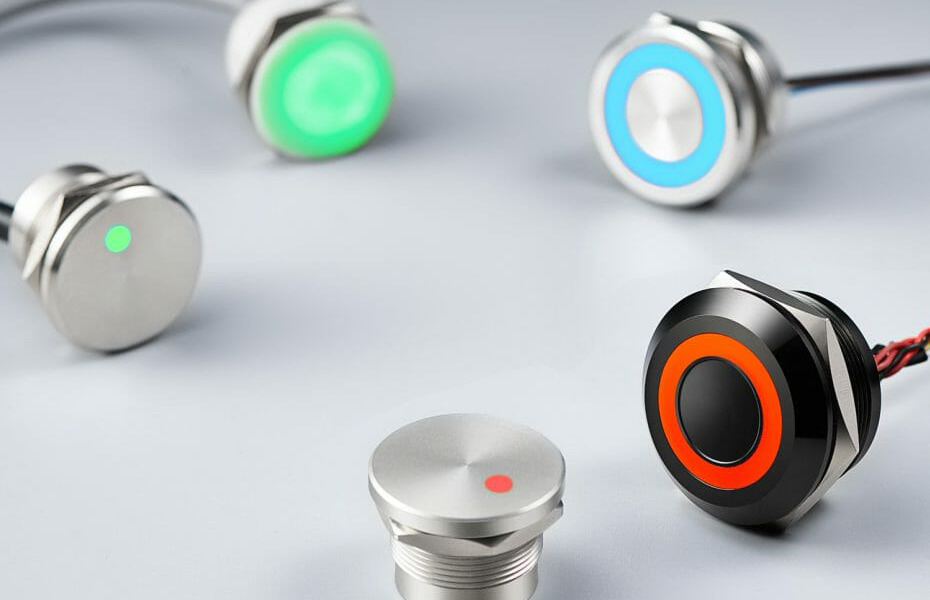
    Piezo switches

    [/vc_column_text][vc_row_inner][vc_column_inner][vc_single_image image=”8747″ img_size=”1200X500″ alignment=”center”][/vc_column_inner][/vc_row_inner][vc_column_text]A piezo switch is an electrical switch based on the piezoelectric effect.[/vc_column_text][vc_column_text css=””]A piezo switch(sometimes referred to as Touch metal piezo switch) is an electrical switch based on the piezoelectric effect, designed to be installed in a location (or device) and application where they may be subject to vandalism or tampering, as in the case of pedestrian crossing switches, or fraudulent or unauthorized use, as in the case of vending machine switches. Anti vandal switch that are located on devices that are accessible to the public or which are located outside also have to be able to withstand dust, rain, snow, and frequent operation.[/vc_column_text][vc_column_text]The charge generated by the piezoelectric element in the switch is typically used to turn on an integrated semiconductor device such as a field effect transistor (FET), causing the switch assembly’s output to be active, or “on”. When the FET is on, current can flow through it as with a conventional metal contact-based switch. After the voltage pulse is dissipated in the gate resistor, the FET turns back “off”, its normal high impedance state. The piezoelectric effect is the generation of electric charge when certain materials are under stress. In the case of piezo switches, the force could be compressive pressure that causes the (typically disc-shaped) piezo element to bend very slightly like a drumhead.[/vc_column_text][vc_column_text]Thus piezo switch produce a single, brief “on” pulse. This pulse can vary with the amount of pressure which is applied, since higher pressures generate higher voltages which take longer to dissipate. A capacitor may be used to store the charge to lengthen the time constant of the gate circuit and therefore the width of the pulse. With additional circuitry this pulse can be extended further or used to change the state of an output from steady “Off” to steady “On” by toggling a flip-flop.[/vc_column_text][/vc_column][/vc_row][vc_row][vc_column][vc_column_text]

    Advantages

    [/vc_column_text][vc_column_text css=””]Piezo switch have some interesting advantages over their conventional mechanical counterparts. One is that there are no moving parts, just the small deformation on the front plate and the piezo element (typically a few micrometers). This means the lifetime of such a switch can be ensured to be tens of millions of operations, since there is no wear involved. Another advantage is that they may easily be completely sealed from the environment and thus made weatherproof. They are often constructed with stainless steel housings such that they are resistant to damage by vandals or heavy use.[/vc_column_text][vc_column_text css=””]Conventional electromechanical switches have moving parts that inevitably wear out
    The reliability of the electromechanical switches can be reduced by contaminants such as moisture and dust that will foul contact points
    The solution is a piezo switch with no moving parts[/vc_column_text][/vc_column][/vc_row][vc_row][vc_column][vc_column_text]

    How a piezo switch working?

    [/vc_column_text][vc_column_text]

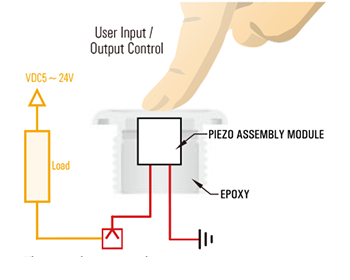
    Piezo-switch-wiring-schemes-2wire
    Piezo switch
    • Finger pressure is applied to the surface of the switch-housing which deflects about 2 microns.
    • This pressure activates the piezo crystal that converts this pressure to an electrical signal that is amplified by electronics imbedded within the housing.

    [/vc_column_text][/vc_column][/vc_row][vc_row][vc_column][vc_column_text]

    LANGIR Piezo Technology

    [/vc_column_text][vc_column_text]

    Piezoswitch_001 Piezoswitch_002 Piezoswitch_003 Piezoswitch_004

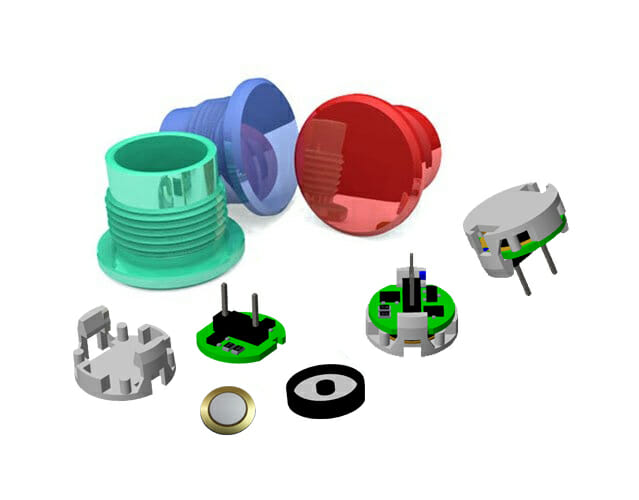
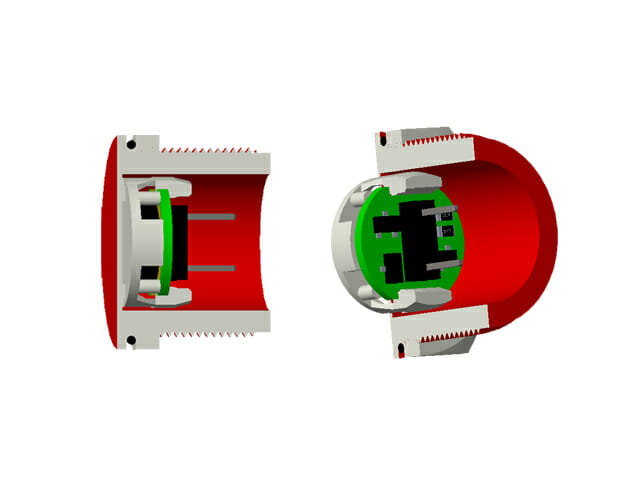
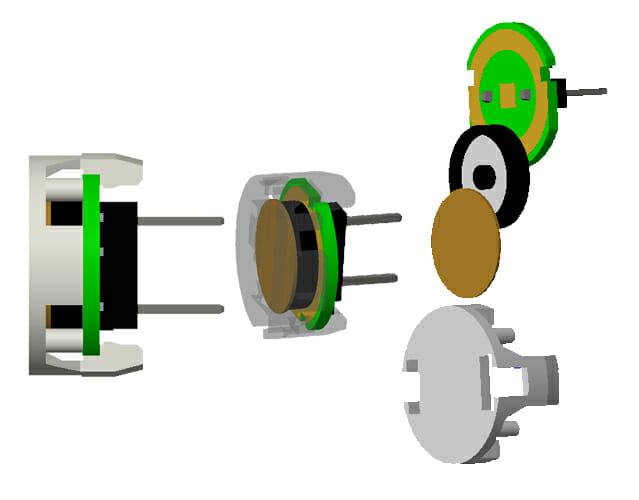
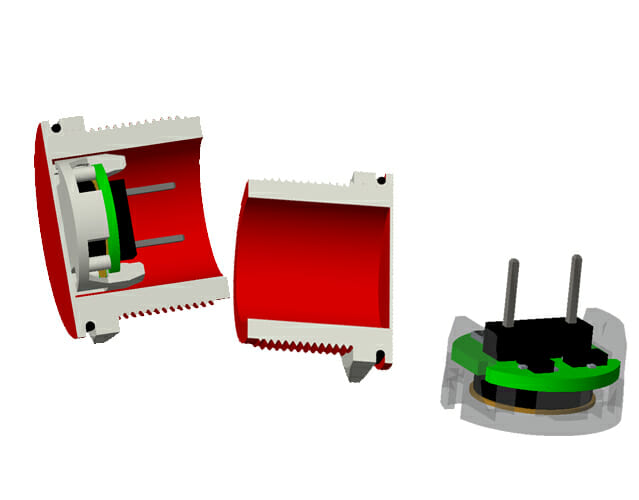
    [/vc_column_text][vc_column_text]The LANGIR® technology is based on a single VPM (Versatile Piezo Module) mechanically assembled without the use of adhesives nor soldering. The VPM is encapsulated in a metal, one piece construction housing, custom designed or as per industry standard, creating the most reliable and durable switch and keypad.
    The LANGIR® product line spans from single switches via a variety of keypads and control panels to full size keyboards. Virtually indestructible the LANGIR product line is rugged, sealed, tamper and vandal proof, with metal housing and solid state electronics featuring unprecedented durability and reliability.[/vc_column_text][/vc_column][/vc_row][vc_row][vc_column][vc_column_text]

    LANGIR Piezo Technology Applications

    [/vc_column_text][vc_column_text]We manufacture over 4000 custom made products covering a full spectrum of applications: Food Processing • Petroleum Dispensing • Clean Room Interfaces • Internet Kiosks • Access Control • Fluid Dispensing • Mining Equipment • Emergency Call Systems • Dairy Equipment • High-End White Appliances • Oceanographic Instruments • Elevators • Conveyers • Car wash • Weighing Devices • Military applications and many more.[/vc_column_text][/vc_column][/vc_row][vc_row][vc_column][vc_column_text]

    Technical Characteristics:

    [/vc_column_text][/vc_column][vc_column width=”1/3″][vc_column_text]

    Electrical Specifications

    [/vc_column_text][vc_column_text]

    • Voltage:
      Standard 200mA 24VAC/DC – option 1A 24VAC/DC
      NC functions max. 600mA 24VAC/DC
    • LEDs Voltage: 5VDC, 12V DC and 24V Standard or per customer specifications
    • Contact Resistance: None
    • Contact Bounce: None
    • EMI/RFI: No Effect

    [/vc_column_text][/vc_column][vc_column width=”1/3″][vc_column_text]

    Functional Operation Specifications

    [/vc_column_text][vc_column_text]

    • Momentary / Latching
    • Normally Open / Normally Closed
    • Impact: 1kg Shock Test
    • Make / Break via Transistor

    [/vc_column_text][/vc_column][vc_column width=”1/3″][vc_column_text]

    Mechanical Specifications

    [/vc_column_text][vc_column_text]

    • Water Resistance: Up through IP68
    • Connection: Wireleads PVC wires 30cm 24AWG
    • Materials: Aluminum & Stainless Steel
    • Minimum Actuation Force: 5 – 15N+ (Typical)
    • Mechanism: 100% Solid-state, No Moving Parts
    • Operational Life: +20mm cycle, -40C to 70C (Typical)

    [/vc_column_text][/vc_column][/vc_row][vc_row][vc_column][vc_column_text]DownloadDownload(2MB)[/vc_column_text][vc_zigzag]

    Get Custom Quote
    We’ll get back to you within 12 hours.
    Drag & Drop Files, Choose Files to Upload You can upload up to 3 files.
    [vc_zigzag][/vc_column][/vc_row]

  • Anti vandal switch

    Anti vandal switch

    [vc_row][vc_column][vc_column_text]

    Anti vandal switch

    [/vc_column_text][vc_row_inner][vc_column_inner][vc_single_image image=”39″ img_size=”1200×400″ alignment=”center”][/vc_column_inner][/vc_row_inner][vc_column_text]Anti vandal switch (sometimes referred to as vandal resistant switch, vandal proof switches or tamper-proof switches) are electrical switches designed to be installed in a location (or device) and application where they may be subject to vandalism or tampering, as in the case of pedestrian crossing switches, or fraudulent or unauthorized use, as in the case of vending machine switches. Anti vandal switch that are located on devices that are accessible to the public or which are located outside also have to be able to withstand dust, rain, snow, and frequent operation.[/vc_column_text][/vc_column][/vc_row][vc_row full_width=”stretch_row” css=”.vc_custom_1626848614847{background-color: #eeeeee !important;}”][vc_column][vc_row_inner][vc_column_inner][vc_video link=”https://youtu.be/sv3MDoK9Hus”][/vc_column_inner][/vc_row_inner][/vc_column][/vc_row][vc_row][vc_column][vc_column_text]Pushbutton anti-vandal switch are frequently constructed of stainless steel or other durable metals and mounted into panels or housing boxes made out of strong materials, such as polycarbonate plastic, aluminium, or stainless steel. In some cases, the housing may be 1/4″ thick, to protect both the switch and the housing from attempts by vandals to damage the switch or housing using blunt force. The housing for vandal proof switches is often secured using security screws (which cannot be unscrewed with regular screw drivers). The height of buttons in the panel is often minimized by using flush-mounting, to make it more difficult to pry them out, a design technique used in ATM banking machines that are located outside. Some vandal-resistant switches are protected against tampering using other approaches, such as hiding the switches behind a locked or screwed-down door-covered panel, or by requiring a key or passcode before the switch will operate the device.[/vc_column_text][vc_column_text]DownloadDownload(12MB)[/vc_column_text][vc_zigzag]

    Get Custom Quote
    We’ll get back to you within 12 hours.
    Drag & Drop Files, Choose Files to Upload You can upload up to 3 files.
    [/vc_column][/vc_row][vc_row][vc_column][vc_zigzag][/vc_column][/vc_row]

  • What’s the difference between an Alternate action and a Momentary?

    What’s the difference between an Alternate action and a Momentary?

    [vc_row][vc_column width=”2/3″][vc_column_text]

    What’s the difference between an Alternate action and a Momentary?

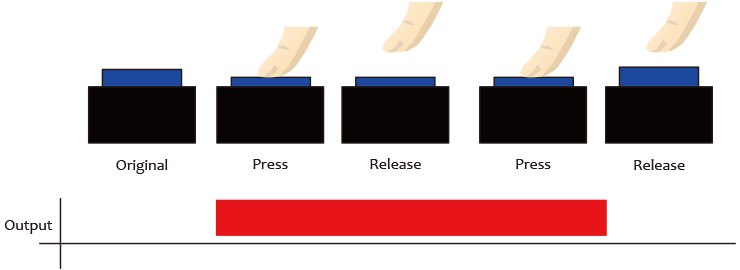
    [/vc_column_text][vc_column_text]The method that keeps the ON state of a switch only when its button is pressed and held is referred to as the “momentary” method, while the method that keeps the ON state of a switch even after the button is pressed and then released is referred to as the “alternate” method.[/vc_column_text][vc_column_text]There are two types of operation methods for operation switches (a push type switch is described this time), namely, momentary and alternate methods. Now, the following descriptions explain each operation method.[/vc_column_text][vc_column_text]Alternate(Latching and Maintained) Action[/vc_column_text][vc_column_text]An operation in which an internal mechanical lock mechanism holds the pushbutton in the operated state the first time when the pushbutton is pressed. And then the lock is released and the pushbutton returns to its original position the second time when it is pressed.[/vc_column_text][vc_column_text]Alternate action[/vc_column_text][vc_column_text]

    Momentary Action

    [/vc_column_text][vc_column_text]An operation in which a self-resetting Switch returns to its original position after being pressed and then released.[/vc_column_text][vc_column_text]Momentary Action[/vc_column_text][/vc_column][vc_column width=”1/3″]

    Get Custom Quote
    We’ll get back to you within 12 hours.
    Drag & Drop Files, Choose Files to Upload You can upload up to 3 files.
    [/vc_column][/vc_row][vc_row][vc_column][vc_zigzag][/vc_column][/vc_row]