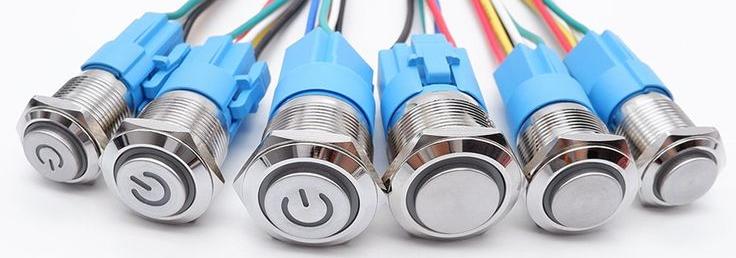
New_category: News

News

  • Momentary Switch vs Latching Switch: Use Cases and Benefits

    Momentary Switch vs Latching Switch: Use Cases and Benefits

    [vc_row][vc_column][vc_column_text css=””]


    Ever wonder which switch type fits your project best? This post breaks down momentary and latching switches, their core differences, and key applications. It helps readers pinpoint which option works for their needs, especially those dealing with bulk push button switch orders. The article offers a clear look at each switch type, weighing strengths and weaknesses so you get the right solution fast.


    What is a Momentary Switch

    Momentary switches work by sending a quick burst of power when pressed, thanks to a small capacitor. With normally open switches, the contact closes only while pressed; normally closed ones break the circuit instead. These momentary contact switches pop up in everyday electronics, often shielding systems from dust. They contrast with what is a latching switch, which stays engaged after a push.


    What is a Momentary Switch

    Contact Langir for Custom Metal Push Button Switches


    The Basic Function of a Momentary Switch

    A momentary switch sends a quick spark of power only when pressed, acting like a tiny relay that flicks on and off in an instant. Experts in steel construction, elevator design, and micro momentary switch manufacturing know that these switches keep systems safe and grounded, even when browsing the internet for the latest tech tips.


    How a Momentary Push Button Switch Works Internally

    A momentary push button switch works like a tiny relay that only fires when pressed, quickly sending power through circuits like a dpdt momentary switch in an industrial machine or a 12v momentary switch in a compact gadget. With solid engineering similar to otto designs, the button momentary system efficiently sparks a response, whether it’s lighting up an led lamp or controlling other devices in a reliable, user-friendly way.


    Normally Open Momentary Switches Functionality

    In a circuit design, a normally open momentary on off on switch triggers a response only during the press, letting engineers use a waterproof momentary switch when needed and ensuring connections by solder without fuss, while a silicon controlled rectifier keeps the flow safe. This simple yet efficient setup cleans up the clutter in industrial controls, making maintenance straightforward and reliable.


    Normally Closed Momentary Switches Functionality

    A normally closed momentary push button switch works so that the circuit is complete until the button is pressed, which breaks the wire connection and stops the power supply in its tracks. This simple yet clever setup makes it ideal for systems that need to default to an active state, especially when considering issues like corrosion on components such as mushroom switches that see heavy use in industrial settings.


    Everyday Examples of Momentary Switch Use

    In everyday use, momentary switches power up a range of equipment—like a machine in the automotive industry that scans a datasheet to check sensor outputs or a cart in a warehouse that uses a magnetic field sensor for safety shutdowns. These switches keep operations smooth by activating the system only when needed, ensuring reliability and precision in critical processes.


    What is a Latching Switch

    A latching switch holds its state after activation, keeping a circuit closed or open until reset. This button-based design often handles an electrical load with steady pressure and can control devices like buzzers or intercom systems. It differs from momentary types by not reverting instantly, offering reliable performance across various applications.


    What is a Latching Switch

    Contact Langir for Custom Metal Push Button Switches


    The Basic Function of a Latching Switch

    A latching push button switch holds its state after activation, meaning once a consumer pushes the lever, the circuit remains energized at a set voltage until deliberately changed. This design often relies on a transistor to manage the steady flow of current, providing practical benefits in applications where a reliable on/off state is needed:


    Component Function
    Latching Push Button Switch Keeps its state until reset
    Lever User interface for activation
    Transistor Manages current flow at set voltage
    Consumer End-user benefiting from reliability


    The Mechanism Within a Latching Push Button Switch

    The mechanism inside a latching push button switch briskly locks its state after a press, making it a reliable choice for setups like home automation and even when paired with a momentary light switch under varied heat conditions. This design ensures that once the circuit is activated, it stays connected until intentionally reset, offering a dependable solution that performs well—regardless of a sale price or the demands of industrial lighting.


    How Latching Switches Keep Their State After Activation

    Latching switches keep their state after activation by mechanically locking the circuit using robust stainless steel components and designed feedback systems that ensure reliable performance and low-maintenance needs, offering a clear contrast to what is a momentary switch:


    Feature Benefit
    State Retention Maintains connection without ongoing power
    Feedback Mechanism Quick information relay for effective operation
    Stainless Steel Build Offers durability and low maintenance


    Common Styles of Latching Mechanisms

    Common latching mechanisms use silver contacts and metal components that deliver consistent behavior in both small-scale and automation projects, mimicking the steady reliability of a circuit breaker. They offer a balance of durability and precision, providing a solution that meets industrial needs without fuss.


    Everyday Examples of Latching Switch Use

    In everyday setups, a latching switch reliably holds the electric current steady, even when paired with a momentary push button switch or a double pole double throw momentary switch to send a clear signal. Expertise from contact Langir ensures that each switch operates with precision, making it a dependable choice for busy industrial applications.


    Core Distinctions Between Momentary and Latching Switches

    This section breaks down actuation needs and state holding in simple terms. It highlights circuit behavior differences, visual and physical cues like a yellow indicator, and shows how a wiring diagram guides wiring in consumer electronics and devices like a doorbell. It spells out the main functional contrast and typical use cases for each switch type.


    Core Distinctions Between Momentary and Latching Switches

    Contact Langir for Custom Metal Push Button Switches


    Comparing Actuation Requirements and State Holding

    Engineers debate the actuation needs between these switch types, with momentary designs offering quick bursts like a flickering light while latching variants maintain their state as steady as a well-placed magnet. This clear difference shows up daily in systems featuring a reliable keypad and smooth communication, and even in a normally closed momentary switch setup which demands precise timing for a safe and efficient response.


    Circuit Behavior Differences When Activated

    Circuit behavior shifts notably when a switch activates; a spdt momentary switch sends a quick pulse, while a latching button switch keeps the line steady—and the touch switch adds sleek simplicity to the mix. Here are the key points that sketch the difference in action:


    • A screw connection ensures secure contact
    • The internet of things benefits from efficient pulse responses
    • Momentary switches change state only during engagement
    • Latching switches hold position until reset


    Visual and Physical Cues for Identification

    The visual markers of momentary and latching switches lay out their unique traits clearly; for instance, momentary designs often sport sleek aluminium finishes that fit well in home appliance settings, while latching models flaunt a robust manufacturing style that works great for central heating systems and energy applications. A table below sums up these identification cues:


    Attribute Momentary Switch Latching Switch
    Finish Aluminium, sleek design Robust, durable build
    Application Home appliance, energy control Central heating, industrial manufacturing


    Typical Application Scenarios for Each Switch Kind

    A latching switch works great in setups that need to keep steady power without constant contact, such as in access control panels where an actuator maintains a firm hold on the circuit. Engineers choose plastic housings and reliable sensor integration for designs where every pulse counts, ensuring safety and precision in industrial applications:


    • Industrial access control panels
    • Automated actuator systems
    • Robust sensor-based circuits


    Outlining the Main Functional Contrast

    In a nutshell, the core difference between these switches is all about timing and state—while a momentary switch sends a quick spark of electricity only when pressed, a latching button holds onto its modal state until someone resets it for improved usability. :


    Feature Momentary Switch Latching Button
    Activation Sends quick pulse of electricity Maintains state until reset
    Usage Ideal for temporary functions Great for steady, modal applications


    Applications Demonstrating the Momentary Switch vs Latching Switch Choice

    Doorbells use a classic momentary button. Power buttons lean on latching switches. Industrial controls mix both for a solid user experience. Computer keyboard keys show momentary action in electrical engineering. Emergency stop buttons often act as a kill switch, safeguarding circuits, like a neat fuse. Each setup offers unique benefits that answer different needs in practice.


    Applications Demonstrating the Momentary Switch vs Latching Switch Choice

    Contact Langir for Custom Metal Push Button Switches


    Why Doorbells Employ Momentary Push Button Switches

    Doorbells use momentary push button switches because they deliver a quick spark of power exactly when needed—no lingering action. A reliable brand often finesses these switches with waterproofing features that maximize space in compact designs, while built-in resistors help manage the circuit for safe and efficient operation.


    Power Buttons on Devices Often Use Latching Switches

    Devices rely on latching switches for power buttons to maintain a steady state until someone deliberately turns them off. This design offers reliable, consistent performance in industrial setups where every pulse counts:


    Characteristic Description
    State Hold Keeps power constant until reset
    Durability Built to handle frequent use in bulk manufacturing


    Industrial Controls Using Both Switch Varieties

    Industrial controls use both momentary and latching switches to tackle different challenges. They mix fast pulses with steady connections to protect systems and ensure smooth operations:


    • Fast response for emergency stops
    • Constant power for control panels
    • Simplified maintenance for reliability


    Computer Keyboard Keys as Momentary Action Examples

    Computer keyboard keys work as momentary examples by firing a quick burst of energy as soon as they’ve been pressed and then stopping the signal when released. They clearly show the smart, simple difference between momentary and latching switches in everyday industrial use:


    Feature Function
    Instant Pulse Sends energy only while pressed
    Quick Release Stops current immediately after key-up


    Emergency Stop Buttons Employing Latching Functions

    Emergency stop buttons using latching functions offer a steady and reliable way to protect systems in industrial setups. When activated, these buttons keep the circuit locked until manually reset, ensuring safety measures hold firm even in high-demand environments.


    Choosing the Right Switch for Your Specific Needs

    The right switch fits your setup. One must assess circuit control needs, user interaction, power usage, and safety features to select the perfect match. Setting type plays its part too. Each tip below breaks down these points, serving as practical advice for choosing a momentary or latching switch based on everyday operating demands.


    Choosing the Right Switch for Your Specific Needs

    Contact Langir for Custom Metal Push Button Switches


    Determining Your Circuit’s Control Needs

    When it comes to circuit control needs, Langir’s experts say it’s all about what your setup demands. They break down the decision by matching response time and holding capability to your system’s action—whether you need a quick pulse for instant signals or a steady hold for sustained energy. This hands-on approach helps industrial clients pick the right momentary or latching switch, making sure every design choice meets real-world challenges head on.


    Thinking About User Interaction Patterns

    Engineers think about how users tap into systems, whether it’s a quick press on a momentary switch or a sustained hold on a latching switch, to keep things running smoothly. The choice taps into practical interactions that can save time and simplify maintenance in industrial setups.


    Calculating Power Usage Considerations

    Calculating power usage is key to matching a switch’s pulse with a circuit’s needs, ensuring systems run efficient and safe while keeping costs down:


    • Examine instant pulse draw
    • Measure sustained energy consumption
    • Balance safety requirements with operational efficiency


    Safety Aspects Influencing Switch Choice

    Engineers favor safety when choosing between momentary and latching switches. They look at how each switch handles short bursts versus steady connections to keep systems safe from electrical mishaps. Langir experts say a clear safety edge comes from matching the switch to a circuit’s energy demands, ensuring both reliable protection and easy troubleshooting in high-demand settings.


    Fitting the Switch to the Operating Setting

    Using the right switch in the right environment matters a lot. In a busy plant or a small workshop, selecting between a momentary and a latching switch based on factors like power demand and environment makes all the difference:


    Operating Setting Switch Type Example
    Industrial floor Momentary Quick pulse for emergency stops
    Control panel Latching Steady power for access panels


    Strengths and Weaknesses of Each Switch Type

    The discussion breaks down upsides and downsides for both momentary and latching switches. It covers fast, burst-type power from momentary types and steady, reliable hold from latching switches. Each section offers practical insights on benefits and potential pitfalls, helping to reach a clear decision based on side-by-side comparisons.


    Strengths and Weaknesses of Each Switch Type

    Contact Langir for Custom Metal Push Button Switches


    Upsides to Employing Momentary Switches

    Momentary switches deliver a quick burst of power that suits setups needing rapid response without continuous energy draw. This design offers clean operation and reduces wear on systems, making these switches a solid choice in industrial applications where ease of use and reliability matter most.


    Potential Downsides of Momentary Switches

    Momentary switches can sometimes show their limits when consistent response time is needed, leaving industrial setups without the steady hold critical for safety. These push button systems may lead to unexpected blips, causing stress when everything should run without a hitch, especially under heavy use in manufacturing. Experts notice that users may face more frequent troubleshooting, making it a pain point in high-demand operations.


    Upsides to Employing Latching Switches

    Latching switches deliver a steady, reliable connection that sits perfectly with setups needing constant power, and they provide ease during regular operation. The technology shines in industrial applications, giving users a dependable solution that trims the hassle from maintenance routines.


    Potential Downsides of Latching Switches

    Latching switches can sometimes stall progress in busy setups because they may lock in place longer than desired, requiring a firm hand to reset. Their reliance on mechanical parts often leads to wear from persistent use, which can slow down production and raise maintenance costs in high-demand industrial environments:


    • Increased maintenance frequency
    • Pain points in high-cycle uses
    • Higher operational costs


    Reaching a Sound Decision Based on Comparisons

    Engineers make a clear call by comparing practical performance, ease of maintenance, and cost factors. They break down the major points as follows:


    • Quick response from momentary switches
    • Steady hold from latching switches
    • Maintenance and cost considerations


    Momentary Switch vs Latching Switch | FAQs


    What defines a momentary switch’s operation?

    A momentary switch only connects or disconnects while pressed and returns to its default state when released. Langir’s Piezo switches offer this reliable action, perfect for custom push button manufacturing needs.


    How does a latching switch function differently?

    A latching switch stays in its last set position until pushed again. It keeps the state without constant pressure, making it ideal for industrial button switch setups.


    Which switch type suits quick activation needs?

    Langir offers efficient push button switches ideal for quick activation. Their reliable design meets industrial needs with low MOQ, fast turnaround, and easy customization, ensuring every application responds promptly and consistently.


    What applications benefit from momentary switches?

    Momentary switches suit industrial panels, medical tools, and home gadgets well, offering precise control and quick action. They deliver reliable performance for push button switch manufacturing and customization services.


    How can one choose the right switch for projects?

    He picks a switch by focusing on project load, available space, budget, and required tech specs. Langir, a seasoned push button switch manufacturer, provides trusted solutions and fast turnaround for bulk orders.


    [/vc_column_text][/vc_column][/vc_row][vc_row][vc_column][vc_zigzag]

    Get Custom Quote
    We’ll get back to you within 12 hours.
    Drag & Drop Files, Choose Files to Upload You can upload up to 3 files.
    [/vc_column][/vc_row][vc_row][vc_column][vc_zigzag][/vc_column][/vc_row]

  • What Is Low Profile Push Button Switch | Factory Insights

    What Is Low Profile Push Button Switch | Factory Insights

    [vc_row][vc_column][vc_column_text css=””]


    Low profile push button switches challenge the norm in button switch manufacturing. This article covers key benefits, types, and specs that help users pick the right switch. Readers facing bulky designs will get clear insights to solve their issues. Stay tuned for a no-nonsense guide on selecting practical, small push button switches that work.


    Defining the Low Profile Push Button Switch

    The low profile push button switch stands out with its compact design and core features like a responsive actuator and robust steel build. It marries the simplicity of the basic push button mechanism with traits from mini and small push button switches, balancing factors such as operating temperature, dimmer compatibility, and price with ease.


    Defining the Low Profile Push Button Switch

    Contact Langir for Custom Low Profile Push Button Switches


    Core Characteristics of a Low Profile Design

    The low profile design offers a compact relay solution built to withstand rough handling, ensuring that even against vandals, the switch remains sturdy. It brings reliable feedback during use, a strategy refined through years of manufacturing experience in small push switch production. This straightforward approach gives users a dependable option without any extra fuss.


    Low Profile Vs. Standard Push Buttons

    The low profile push button switch cuts through the clutter by offering a compact yet sturdy design that outshines standard push buttons, especially when built with brass and silver accents for a sleek finish. It handles volt fluctuations smoothly, making it a reliable fix in electronics setups where durability meets everyday practicality. Experts know that this switch works hard without fuss, offering a no-nonsense solution for demanding use.


    The Basic Push Button Mechanism

    The basic push button mechanism marries practicality with simplicity. Its design features a built-in screw terminal that works great with arduino projects and machines, ensuring the button responds sharply every time you press it. Experts say this small push button switch delivers solid performance without any hassle.


    Relation to Mini Push Button Switches

    The low profile push button switch shares many traits with mini push button switches, providing designers flexibility when integrating with a printed circuit board or breadboard. Manufacturers often rely on high-usability components built with stainless steel for added durability, ensuring this switch meets real-world demands without any fuss.


    Small Push Button Switch Attributes

    The small push button switch keeps things simple and effective, with a design that handles voltage spikes and fits neatly into a circuit breaker setup. It uses a clean solder process to secure a sturdy wire connection while offering subtle color cues that help identify its function at a glance.


    Key Features and Advantages of Using Small Push Button Switches

    The low profile push button switch offers clear space-saving benefits, like an efficient engine powering compact designs. This mini push button switch is a symbol of smart layout, easy integration in modern products, and fits surface mount tech perfectly. Its shorter actuation travel frees up space and lets designers pack more controls, as smoothly as items in a cart.


    Key Features and Advantages of Using Small Push Button Switches

    Contact Langir for Custom Low Profile Push Button Switches


    Space Saving Benefits in Compact Electronics

    The low profile push button switch keeps things neat, saving precious space in compact electronics especially useful in vehicle dashboards and portable devices. Its tactile design offers quick response to changes in electricity flow while metal components and a built-in capacitor ensure that every press is reliable and effortless. This setup gives practical engineers a streamlined component that handles rough use without fuss.


    Aesthetic Integration in Modern Product Designs

    The low profile push button switch fits right in with modern products, sporting a clean look and clever design touches. It uses sturdy plastic parts alongside a metal nut and built-in resistor to manage electric current measured in ampere, making it both practical and stylish for today’s tech-savvy designs.


    Suitability for Surface Mount Technology Assembly

    The low profile push button switch works great with surface mount technology, offering accessibility in consumer electronics with a carefully measured diameter and precise laser-cut elements for improved light distribution. Its design fits well with automated assembly, providing a quick and reliable solution that meets the high demands of modern production lines:


    Feature Advantage
    Diameter Precision Ensures a tight, secure fit in SMD layouts
    Laser-Cut Elements Provides consistent light transmission and performance
    Accessibility Simplifies integration for consumer electronics


    Shorter Actuation Travel Compared to Taller Switches

    The shorter actuation travel cuts down on lag in power supply circuits, letting devices boot up and respond faster, especially in systems where every millisecond counts. This design helps consumer gear mesh perfectly with today’s technology and uses alloy parts for extra durability; here’s what buyers get when they contact Langir for these switches:


    • Speedier response times
    • Reliable performance under load
    • Seamless integration in various systems


    Enabling Higher Density Interface Layouts

    The low profile push button switch streamlines high-density interface layouts by cutting down on space and fuss, making it easy for a customer to achieve neat packaging in their designs; its compact build supports a clean, efficient look and reduces the need for extras like loose screws, ensuring a secure anode connection every time:


    • Compact design simplifies packaging
    • Enhanced reliability with secure screw fittings
    • Consistent anode performance for robust circuits
    • Customer-focused solution that works hassle-free


    Exploring Different Types Within the Low Profile Category

    Low profile push button switches come in various types. They include momentary models for quick action, latching variants for steady hold, illuminated options for easy use, sealed options for harsh settings, and models that offer tactile feedback or not. Each type delivers practical benefits, making them a smart pick for compact electronic designs.


    Exploring Different Types Within the Low Profile Category

    Contact Langir for Custom Low Profile Push Button Switches


    Functionality of a Low Profile Momentary Switch

    The low profile momentary switch offers a crisp response every time it gets a tap, making it a go-to option for fast-acting applications. When a user presses the switch, it sends a quick signal and resets immediately, ensuring precise control in compact designs:


    • Fast response during each press
    • Instant reset for rapid cycling
    • Ideal for space-constrained setups


    Understanding Latching Low Profile Push Buttons

    Latching low profile push buttons hold their state firmly until they are toggled off, making them great for steady circuit control in tight spaces. Engineers and designers value these switches for their simple operation and dependable performance in compact electronics:


    Feature Advantage
    State Retention Maintains circuit control without continuous pressure
    Compact Design Fits neatly into limited spaces
    Reliable Action Ensures consistent operation under use


    Options for Illuminated Low Profile Switches

    Illuminated low profile switches add a modern twist to compact designs, offering clear visual cues in low light while keeping things simple and reliable. They come in several options that suit different needs for smooth operation, including LED, backlit, dual-color, and customizable variants:


    • LED variants for bright status indication
    • Backlit options for enhanced visibility
    • Dual-color designs for clear function distinction
    • Customizable settings for specific project needs


    Sealed and Environmentally Protected Variants

    Langir offers sealed and environmentally protected low profile push button switches built to withstand tough conditions while providing reliable performance in challenging setups:


    • Water-resistant design
    • Dust-proof casing
    • Chemical resistance

    These rugged switches give clients a smart, durable choice for industrial projects.


    Tactile Feedback Versus Non Tactile Models

    Low profile push button switches come in two flavors: those with tactile feedback and those without. The tactile models provide a noticeable click with each press—great for confirming actions in busy circuits—while non tactile models offer a smooth, silent press ideal for streamlined setups:


    Model Type Key Benefit
    Tactile Feedback Provides clear physical confirmation with every press
    Non Tactile Ensures quiet operation for minimalist designs


    Common Applications for Mini Push Button Switches

    Mini push button switches find their way into consumer electronics, medical instruments, and automotive interiors. They also serve in industrial control panels and telecom gear, offering reliable performance in tight spaces. Each use case highlights how low profile switches meet everyday needs with speed and simplicity, keeping designs sleek and efficient.


    Common Applications for Mini Push Button Switches

    Contact Langir for Custom Low Profile Push Button Switches


    Use Cases in Consumer Electronics and Gadgets

    Mini push button switches make a splash in consumer electronics and gadgets, delivering a compact, no-nonsense way to keep things running smoothly. They fit snugly in devices like smart remotes, portable speakers, and digital watches, offering a quick, responsive tap for everyday control without any fuss.


    Integration Into Medical Devices and Instruments

    In medical devices and instruments, low profile push button switches offer practical control with no fuss, making them a trusted choice in equipment like portable monitors and diagnostic tools. Their consistent performance under pressure gives engineers a solution that meets tough standards without questioning the design. Every press counts, and these switches deliver that reliability in critical settings.


    Placement in Automotive Interiors and Control Systems

    In automotive interiors and control systems, the low profile push button switch fits right in with modern designs. Its compact size and reliable response make it a smart choice for busy dashboards and intricate control panels. Experts appreciate that these mini push button switches offer straightforward performance, keeping the vehicle’s operation smooth and efficient every time a tap is registered.


    Role in Industrial Control Panels and Machinery

    They know that in industrial control panels and machinery, every component counts, and mini push button switches prove themselves time and again. These low profile push button switches cut down on installation hassle and pack a serious punch in tight spaces, consistently delivering precise responses during heavy-duty operations. Equipment managers trust them for a reason—they work hard, stay cool under pressure, and make maintenance a breeze.


    Application in Telecommunication and Networking Gear

    Low profile mini push button switches play a big role in telecommunication and networking gear, offering engineers a reliable and compact control option for managing signals. Their sturdy build and consistent performance boost system efficiency in routers and switches, making them a favorite among professionals who value precision and ease of integration:


    Aspect Impact
    Compact Size Fits seamlessly into tight networking panels
    Quick Response Ensures precise signal control in telecom setups


    Technical Specifications for Evaluation

    The technical specs break down a few must-check points for the low profile push button switch. Electrical ratings, mechanical life, operating temperature, actuation force, and mounting styles come under scrutiny. Each factor sets the stage for reliable performance in industrial settings.


    Technical Specifications for Evaluation

    Contact Langir for Custom Low Profile Push Button Switches


    Assessing Electrical Ratings Like Voltage and Current

    Langir’s experts check voltage and current ratings to be sure the switch performs reliably in industrial setups. They keep an eye on how the switch handles sudden spikes and varying loads, ensuring it fits well in applications like control panels and consumer electronics:


    Rating Type Key Benefit
    Voltage Ensures safe operation under standard power supplies
    Current Maintains steady performance despite load changes


    Determining Mechanical Life Expectancy in Cycles

    The expert team at Langir calculates the mechanical life expectancy of a low profile push button switch by simulating hundreds of thousands of cycles, ensuring each switch stands up to real-world wear and tear. They balance high durability with simplicity, so industrial setups can count on steady performance without any unnecessary fuss.


    Checking the Operating Temperature Range

    Langir’s team checks the operating temperature range to make sure the low profile push button switch stands tough in tough spots. They run tests at various extremes to see how much heat or chill the switch can handle without missing a beat:


    • Lower temperature limit verified
    • Upper temperature limit confirmed
    • Consistent performance under stress


    Understanding Actuation Force Needs

    Langir’s experts know that actuation force has to feel just right—firm enough to avoid accidental presses but light enough for quick, deliberate taps. This careful balance improves user control in compact electronics and ensures reliable performance in demanding industrial setups:


    Aspect Benefit
    Low Force Quick and effortless response
    High Durability Long-lasting performance under strain


    Comparing Mounting Styles Through Hole or Surface Mount

    The manufacturing expert outlines that through-hole mounting offers a robust hold in heavy-duty systems while surface mount designs cater to compact, automated setups, and both excel in reliability and linear performance:


    • Through-hole: better mechanical strength in high-vibration environments
    • Surface mount: ideal for automated assembly and space-saving layouts
    • Both: maintain consistent actuation force and durability


    Selecting the Appropriate Low Profile Momentary Switch

    Engineers match switch features with application needs, check environmental conditions, and assess material quality. They read manufacturer datasheets and test various small switch types during prototyping. This method helps them pick a low profile push button switch that delivers the reliability and performance required in tough industrial settings.


    Selecting the Appropriate Low Profile Momentary Switch

    Contact Langir for Custom Low Profile Push Button Switches


    Aligning Switch Features With Application Requirements

    When aligning switch features with application requirements, engineers match each low profile momentary switch’s specs to the unique needs of their project, ensuring a perfect fit in compact electronics and industrial systems. Langir’s experience shines through as experts test factors like actuation force and temperature resilience, providing a smart, reliable solution that keeps circuits running smoothly under real-world conditions.


    Factoring in Environmental Operating Conditions

    Engineers consider temperature swings, dust exposure, and moisture buildup when choosing a low profile momentary switch for harsh settings. They focus on matching switch durability with real-world conditions and performance needs:


    • Assess temperature extremes
    • Check humidity levels
    • Evaluate dust and water exposure
    • Test vibration resilience


    Judging Material Quality and Construction Durability

    Engineers scrutinize material quality and construction durability to ensure the low profile momentary switch stands up to demanding environments. With every press counted in industrial settings, they rely on well-tested components and sturdy assemblies that resist wear and tear, securing reliable performance day after day.


    How to Read Manufacturer Datasheets Effectively

    Reading manufacturer datasheets becomes a breeze when one focuses on key details like voltage ratings, actuation force, and mechanical life. The expert recommends comparing these specs with your specific project needs to pick a switch that fits the bill perfectly.


    Testing Various Small Switch Types During Prototyping

    During prototyping, experts test various small switch types by checking response time, actuation feel, and overall durability. They run quick trials to pinpoint which low profile push button switch fits best with their specific applications and design needs:


    • Quick response to input
    • Smooth and consistent actuation
    • High durability under frequent use
    • Easy integration with existing components


    What Is Low Profile Push Button Switch| FAQs


    What defines a low profile push button switch?

    A low profile push button switch features a slim design and low height. It fits tight spaces easily and works great in compact panels, offering a clean solution for streamlined control systems.


    How do small push button switches differ from standard ones?

    Small push button switches require less space while offering comparable reliability to standard ones. They suit compact designs needing swift production and bulk purchasing options from trusted manufacturers like Langir.


    What types exist within the low profile category?

    Low profile push button switches mainly come in surface-mount, panel-mount, and custom variants, designed for slim spaces with sturdy construction and a quick, reliable action.


    Where are mini push button switches commonly used?

    Mini push button switches find a home in control panels, handheld devices, and industrial equipment. Their compact design fits tight spaces, offering fast actuation and reliable performance for efficient operations.


    How do you choose the right low profile momentary switch?

    Find a switch that fits your panel and meets specs. Check out compatibility, reliable performance, and custom options. Consider trusted suppliers like Langir with low MOQs and fast turnaround for smooth integration.


    [/vc_column_text][/vc_column][/vc_row][vc_row][vc_column][vc_zigzag]

    Get Custom Quote
    We’ll get back to you within 12 hours.
    Drag & Drop Files, Choose Files to Upload You can upload up to 3 files.
    [/vc_column][/vc_row][vc_row][vc_column][vc_zigzag][/vc_column][/vc_row]

  • Do Low Profile Push Button Switches Travel Shorter

    Do Low Profile Push Button Switches Travel Shorter

    [vc_row][vc_column][vc_column_text css=””]


    Ever wonder if a low profile push button switch travels shorter than a regular one? This post breaks down travel distance in push button switches and digs into what makes a low profile switch different. It gives clear comparisons between low profile and normal switches. You’ll learn why this matters for fast, bulk orders and how it can solve problems during production.


    Travel Distance in Push Button Switches

    This section breaks down total travel measurement, explaining what pre-travel or actuation distance means. It shows how travel distance affects the switch feel, and compares standard travel distances in conventional switches. The document covers how these factors tie into power supply management, electric current flow, and even a light curtain setup.


    Travel Distance in Push Button Switches

    Contact Langir for Custom Low Profile Push Button Switches


    Understanding Total Travel Measurement

    The total travel measurement shows how far low profile push button switches move before they register a press. It helps customers know if a switch is crisp like a well-set screw or reliable like a contact Langir design, with a touch of silver quality even on a mac setup.

    Grasping this means the pre-press and full press differences directly affect current flow and power setups, giving customers more control over their device configuration:


    Component Measurement
    Pre-travel Short
    Full travel Standard
    Electric Flow Well Managed


    What Pre-Travel or Actuation Distance Means

    Pre-travel distance sets the stage for the push button switch feel. It defines the moment when a press begins before making full contact, which can change the overall device experience and affect how components like the printed circuit board share the workload between parts, such as logitech mechanisms and glass finishes:


    Component Detail
    Pre-Travel Distance Short for immediate response
    Height Factor Engineered low for a sleek design
    Printed Circuit Board Optimized for steady logitech performance


    How Travel Distance Affects Switch Feel

    Switch feel stops at measurement — how far the button travels affects if the output is crisp and responsive or if it drags. This measurement plays a key role in a keypad setup, where a short travel with a screw terminal connection may allow a proximity sensor to enable faster reactions; consider these factors:


    • Pre-travel measurement for immediate response
    • Full travel measurement for consistent performance
    • Screw terminal efficiency supporting faster sensor enablement


    Standard Travel Distances in Conventional Switches

    The standard travel distances in conventional switches sit at a set measurement that offers a solid, predictable feel when pressing a button, and experts note that low profile switches may indeed travel a bit shorter. Key factors include consistent travel mechanics, reliable actuation force, and precise diameter adjustments that make for a smooth tool usage experience with every keycap press:


    • Button response consistency
    • Tool efficiency with each stroke
    • Keycap design compatibility
    • Engineered actuation force
    • Controlled diameter for robust performance


    Characteristics of a Low Profile Push Button Switch

    Low profile push button switches boast reduced height and a slim design, thanks to key components that cut down force and speed up motion. Their build, using quality materials and refined construction, ensures reliable electricity relay in compact settings. Customers can see practical applications in everyday devices while enjoying a balance of speed and dependable performance.


    Characteristics of a Low Profile Push Button Switch

    Contact Langir for Custom Low Profile Push Button Switches


    Reduced Height and Slim Design Features

    The low profile push button switch stands out with a slim design and reduced height, making it adept at curbing pressure fluctuations even when a finger hits it at high speed. This design not only deters vandals with its subtle form but also improves the electrical contact between components, ensuring that every light tap delivers a steady response.


    Key Components Contributing to Lower Profile

    Engineers detail how a well-designed alloy frame, strategic anode placement, and carefully set actuation angle work together to reduce fatigue and risk, crafting a lower profile that stays agile even with constant use:


    Key Component Contribution
    Alloy Frame Ensures durability and lightweight design
    Anode Placement Optimizes electrical performance
    Actuation Angle Delivers precise response while reducing fatigue
    Built-in Quality Minimizes risk during prolonged use


    Common Applications for Low Profile Switches

    Low profile switches often find their place in devices where space is tight yet performance must be smooth, like on laser-guided machines or in setups where a compact table of contents in design manuals makes a difference. Engineers depend on these switches to handle precise voltage and maintain a steady volt output, making them perfect for gadgets that need quick, reliable responses without any fuss.


    Materials Used in Low Profile Switch Construction

    Low profile switch construction relies on high-quality metals and durable plastics that give it the perfect form factor while leaving extra space for other vital components, much like a reliable circuit breaker that keeps everything in line. Engineers use materials reminiscent of sturdy alps-grade alloys to cope with daily wear and tear, ensuring the switch is both compact and robust—ideal for setups that demand reliability even on a heavy-duty cart. The careful selection of these materials means users get a steady, dependable switch without compromising the overall design efficiency.


    Comparing Travel Distance Low Profile vs Normal Switches

    Low profile push button switches feature a shorter travel than standard models, with actuator design tweaks delivering a more tactile feel. They move a bit less—a small bit that makes all the difference in vehicle control panels and color-coded setups. The following sections break down typical ranges, measurement details, and factors trimming the travel in these clever designs.


    Comparing Travel Distance Low Profile vs Normal Switches

    Contact Langir for Custom Low Profile Push Button Switches


    Typical Travel Ranges for Low Profile Switches

    Low profile push button switches tend to have a shorter travel range, which keeps the electronics crisp and responsive even when the operating temperature varies; engineers craft these switches with robust steel parts and a reliable dome design to ensure a computer-grade performance every time.


    Typical Travel Ranges for Standard Push Button Switches

    The standard push button switch usually offers a firm and consistent travel range that even a consumer can trust, with a reliable pin mechanism and robust plastic construction to maintain steady performance—unlike its low profile push button switch cousin, which favors a shorter, snappier feel, almost like an optical fiber keeping things neat.


    Direct Measurement Low Profile Push Button Switches Travel Shorter

    Direct measurements confirm low profile push button switches move noticeably shorter, thanks to their refined actuation mechanisms and sturdy stainless steel construction. This shorter travel not only improves precision in automation systems but also minimizes error risks in setups where even a loose wire or a missing nut could throw off performance; experts recommend joining a mailing list for updates and tips on optimizing your switch configuration.


    Factors Influencing the Shorter Travel in Low Profile Designs

    Engineers note that the shorter travel in low profile designs ties back to the precise shape of the internal components and the type of metal used, which results in a switch that feels different from normal ones. The brand’s commitment to quality includes careful soldering techniques that prevent dust build-up and ensure durability, giving customers a switch that responds quickly with every press.


    Visualizing the Difference in Switch Height and Travel

    The visual difference in switch height and travel is as clear as a boat moving through calm water—a low profile push button switch truly travels shorter, giving a tighter feel that minimizes heat buildup and improves capacitor life. Engineers see this clever design tweak as a way to boost feedback and overall response, much like a well-tuned membrane switch keeping everything on track in any setup.


    Do Low Profile Push Button Switches Travel Shorter | FAQs


    What determines travel distance in push button switches?

    Push button switch travel distance is set by the internal design and spring mechanism. Precision manufacturing and material choices determine how far the button moves, ensuring consistent performance, tactile feedback, and durability.


    Do low profile buttons travel less distance?

    Yes, low profile buttons generally travel a shorter distance. This ensures a compact design with a quick snap response—ideal for efficient, reliable operation in industrial applications.


    How is travel distance measured in switches?

    Travel distance in switches measures the button’s movement before it activates. It’s usually expressed in millimeters or inches, helping designers ensure a smooth, consistent feel for each push button application.


    What makes low profile switches unique?

    Low profile switches pack big performance in a slim design. They provide fast, reliable action perfect for tailored industrial projects—ideal for bulk push button switch solutions without taking up extra space.


    How do normal switches compare to low profile ones?

    Standard push button switches are bulkier while low profile ones save space. Both deliver solid performance, but low profile versions offer a sleek design that works well in compact, industrial setups.


    [/vc_column_text][/vc_column][/vc_row][vc_row][vc_column][vc_zigzag]

    Get Custom Quote
    We’ll get back to you within 12 hours.
    Drag & Drop Files, Choose Files to Upload You can upload up to 3 files.
    [/vc_column][/vc_row][vc_row][vc_column][vc_zigzag][/vc_column][/vc_row]

  • How to Manufacture Low Profile Push Button Switches

    How to Manufacture Low Profile Push Button Switches

    [vc_row][vc_column][vc_column_text css=””]

    Ever wonder why your current push button switches feel clunky? This post shows how to manufacture low profile push button switches with ease. It breaks down specifications, components, and production line setup so you can streamline your process. You’ll learn what materials to use and how to put them together for solid, reliable units. This guide helps you cut waste and save time while making quality switches.


    Specifications for Low Profile Push Button Switches

    This spec covers minimal height dimensions and diameter, actuation force and travel settings, and momentary switch requirements. It lays out materials for housing, actuators, contacts, plus electrical ratings like relay, operating temperature, and voltage. It sets a clear, practical guide for consumer electronics manufacturing with low profile push button switches.


    Specifications for Low Profile Push Button Switches

    Contact Langir for Custom Low Profile Push Button Switches


    Dimensional Constraints for Minimal Height

    The manufacturing process insists on ultra-compact dimensions to save space and boost accessibility, especially in vehicle panels and consumer devices. This clear switch blueprint factors in usability while keeping the design low profile and efficient, ensuring each switch meets tight tolerances:


    • Streamlined dimensions for optimal space use
    • Enhanced accessibility in vehicle applications
    • Improved switch usability for everyday tech


    Actuation Force and Travel Parameters

    The manufacturing process for low profile push button switches demands precise actuation force and travel parameters that ensure even a signal at a few ampere of current sends clear feedback in electronics. Manufacturers experience real-world benefits when these parameters are dialed in, resulting in a responsive and reliable low profile push button switch tailor-made for modern tech needs. This focus on exact measurements transforms everyday devices into efficient, user-friendly tools, and demonstrates true expertise in electronics manufacturing.


    Requirements for Low Profile Momentary Switch Functionality

    Engineers must nail the momentary function by ensuring that every press on the light switch delivers consistent, responsive feedback. A well-crafted dome and rugged alloy housing make the switch tough enough to handle routine use and even vandals, giving the consumer a product that really works when it matters.


    Materials for Housing, Actuator, and Contacts

    Langir uses sturdy metal for housing and carefully chosen actuator materials that provide a perfect balance, much like a well-tuned dimmer right before a circuit breaker trips, setting the standard in technology. Each component acts as a symbol of reliability, reinforcing confidence that every switch will perform flawlessly in everyday use.


    Electrical Ratings and Circuit Configurations

    The manufacture of low profile push button switches relies on firm electrical ratings and smart circuit configurations that work in unison with components like the anode and printed circuit board. Engineers set specific color codes for wiring and secure every nut and button to meet precise current limits and voltage ratings:


    Parameter Description
    Anode Ensures reliable current flow
    Printed Circuit Board Supports efficient circuit layout
    Color Indicates wiring configurations
    Button Delivers tactile feedback
    Nut Secures components in place


    Components for Low Profile Push Button Assembly

    Engineers build the actuator and plunger mechanism with sturdy stainless steel and steel parts, while creating an internal contact system that works like a fine engine ticking. They form a reliable base housing with terminal structure, seal for extra protection, and use CAD for low profile push button modeling. Light, capacitor, and other key components all play their role.


    Components for Low Profile Push Button Assembly

    Contact Langir for Custom Low Profile Push Button Switches


    Engineering the Actuator and Plunger Mechanism

    Engineers at this respected brand focus on precise assembly of the actuator and plunger mechanism to ensure every low profile push button switch meets tough industry standards; they use a computer-driven design process to fine-tune the arrangement before soldering key components like contact Langir and secure wire connections. This hands-on approach helps achieve reliable performance in demanding settings, addressing common assembly challenges and guiding manufacturers through reliable step-by-step procedures:


    • Defining actuator dimensions with precision
    • Ensuring proper plunger alignment through computer modeling
    • Soldering components with clear guidelines
    • Securing wire paths for dependable connections
    • Implementing quality control for contact Langir performance


    Creating the Internal Contact System for Reliable Switching

    Engineers craft the internal contact system with care, using precision techniques to ensure each switch offers a firm and reliable click. This approach minimizes false triggers and speeds up device response, making it a dependable choice for modern push button switches. Practical expertise translates into setups that perform consistently even under frequent use.


    Developing the Base Housing and Terminal Structure

    The process of developing the base housing and terminal structure focuses on making every component robust and straightforward. Engineers ensure that all elements fit perfectly and wiring connections remain neat, tackling common pain points with reliable design steps:


    • Precise component measurements
    • Clean, accessible terminal layouts
    • Solid metal construction for durability
    • Quality checks at every stage


    Incorporating Sealing Features for Protection

    Engineers focus on adding robust seals using proven materials to guard low profile push button switches from dust and moisture. They apply straightforward steps that ensure a tight seal and reliable performance in every push, including:


    • Selecting high-quality elastomers
    • Aligning seals with precise machining
    • Testing under realistic conditions


    Utilizing CAD for Low Profile Push Button Modeling

    Engineers rely on CAD to design low profile push button switches with precision and ease. The software streamlines the modeling process, cutting out guesswork and helping to nail tight tolerances. This practice ensures every detail is set right before manufacturing begins, making it a practical tool for boosting efficiency and quality in production.


    Selecting and Sourcing Materials for Manufacturing

    Engineers focus on the basics: picking the right thermoplastics for housings, selecting conductive metals for terminals and contacts, and vetting suppliers for raw material consistency. They also assess sustainable material options and build a resilient supply chain for components. Each step is key to making low profile push button switches that really perform.


    Selecting and Sourcing Materials for Manufacturing

    Contact Langir for Custom Low Profile Push Button Switches


    Identifying Suitable Thermoplastics for Housings

    Engineers at Langir pick thermoplastics that deliver robustness without excess bulk, making low profile push button switch housings both tough and sleek. They value materials that stand up to stress and resist wear, ensuring every switch is built right for demanding tech environments.


    Choosing Conductive Metals for Terminals and Contacts

    Manufacturers know that conductive metals make or break switch performance. Langir’s team opts for materials like copper and brass to ensure steady current flow and durability in terminals and contacts, meeting the tight specs of low profile push button switches in tough environments:


    Metal Property Usage
    Copper High conductivity Terminals and contacts
    Brass Wear resistance Durable connection points


    Qualifying Suppliers for Raw Material Consistency

    Langir’s engineers rigorously qualify suppliers through sample testing and document verification to ensure raw material consistency for low profile push button switches, so every batch meets their tough standards and avoids surprises:


    Supplier Name Consistency Check Documentation
    Supplier A Regular testing Material Certificate
    Supplier B Batch reviews Traceability Report


    Evaluating Options for Sustainable Material Use

    Engineers evaluate sustainable material use with a sharp eye, weighing eco-friendly thermoplastics and recycled metals to meet strict production standards for low profile push button switches. They list key benefits to ease supplier decisions:


    • Reduced environmental footprint
    • Consistent quality from sustainable sources
    • Cost-effective production over time


    Building a Resilient Supply Chain for Components

    Langir engineers build a resilient supply chain by directly working with trusted vendors and carefully testing every batch of components to ensure quality. They maintain clear communication with suppliers, making sure each delivery meets the strict standards required for low profile push button switches. This organized, hands-on process helps manufacturers avoid unexpected delays and disruptions during production.


    Establishing the Production Line for Low Profile Switches

    Precision molding for plastic parts, metal stamping for contacts, automated assembly, integrated marking systems, and controlled environments set the stage for efficient production. Each step tackles key aspects in low profile push button switch manufacturing, ensuring quality and reliability in every batch. This overview connects the dots for practical production line strategies.


    Establishing the Production Line for Low Profile Switches

    Contact Langir for Custom Low Profile Push Button Switches


    Acquiring Precision Molding Machinery for Plastic Parts

    Engineers secure precision molding machinery to craft plastic parts with exact tolerances and quick turnaround times; this step cuts production time and drives efficiency in manufacturing low profile push button switches:


    • Identifying reliable equipment suppliers
    • Ensuring machinery meets exacting standards
    • Integrating machines into the existing production line


    Implementing Metal Stamping for Contacts and Terminals

    Engineers rely on metal stamping to shape contacts and terminals with precision on the production line for low profile push button switches. The process, using durable machinery and strict controls, ensures that every switch part performs reliably and meets quality demands, making it a clear solution for modern manufacturing needs.


    Automating the Assembly Process for Efficiency

    Engineers streamline production by automating the assembly process to boost output while cutting waste and errors. They use smart, reliable machines that work with precise controls, saving time and meeting tight specs:


    • Integrating touch-friendly interfaces
    • Ensuring consistent soldering quality
    • Reducing manual handling risks


    Integrating Marking Systems for Part Identification

    Engineers integrate advanced marking systems right in the production line to tag every low profile push button switch with clear, unique codes so parts stay organized. They run this system to keep production steady and parts sorted quickly, which cuts down on confusion and tracking errors:


    Component Marking Method Benefit
    Housing Laser Engraving Accurate part identification
    Terminal Inkjet Marking Quick sorting
    Switch Direct Print Easy tracking in production


    Setting Up Controlled Environments Where Needed

    Engineers set up controlled environments with precision to ensure low profile push button switches are produced without a hitch. They use simple yet effective temperature and humidity controls that keep the production line streamlined, reducing errors and keeping every switch in top shape. This hands-on approach saves time and hassle in manufacturing, proving that a little workspace discipline goes a long way.


    Assembling the Low Profile Momentary Push Button Switch Units

    The assembly process follows a clear, step-by-step integration sequence. Engineers ensure secure part joining, accurate internal mechanism placement, and careful terminal insertion with fixation. The final enclosure and sealing steps tie everything together, guaranteeing reliable low profile push button switch units that meet high standards.


    Assembling the Low Profile Momentary Push Button Switch Units

    Contact Langir for Custom Low Profile Push Button Switches


    Following the Step-by-Step Component Integration Sequence

    The process unfolds step by step, making sure each component slots in just right for the low profile momentary push button switch. Engineers monitor every motion—one precise twist and click at a time—to guarantee reliable performance in every unit they build. This careful integration gives manufacturers confidence that the finished products are up to the challenge every time they hit the market.


    Applying Techniques for Secure Part Joining

    Engineers use precise alignment and firm soldering to ensure every connection holds strong. They follow a detailed process to join components securely, minimizing any risk of loose parts during everyday use. This meticulous approach guarantees a low profile momentary push button switch that consistently performs under pressure.


    Ensuring Accurate Placement of Internal Mechanisms

    Engineers check every detail to ensure internal mechanisms land in the right spot, keeping low profile push button switches responsive. They use precise, hands-on techniques and verified CAD models to reduce errors and boost performance. Their practice cuts down on rework and keeps production smooth, making every switch a reliable pick for modern tech needs.


    Managing Terminal Insertion and Fixation

    Engineers tighten terminal insertion by aligning each piece with precision and checking every connection personally to avoid misfires or loose joints. They use expert judgment and hands-on adjustments, ensuring the push button switches maintain a solid, responsive feel every time they’re used.


    Completing Final Enclosure and Sealing Steps

    Engineers complete the final enclosure by sealing every edge with reliable materials, locking in components and keeping dust and moisture out:


    Step Description
    Component Fit Every part aligns with exact precision
    Seal Application Durable elastomers secure a tight finish
    Performance Check The unit meets strict operational standards


    Implementing Rigorous Quality Control and Testing Procedures

    Engineers run strict quality control for low profile push button switches. They check dimensions in production, test electrical paths, assess mechanical durability and life cycles, measure actuation force and travel consistency, and apply final batch inspections. Each step proves the switch’s reliability, ensuring the product meets top industrial standards and customer expectations.


    Implementing Rigorous Quality Control and Testing Procedures

    Contact Langir for Custom Low Profile Push Button Switches


    Performing Dimensional Verification Checks During Production

    Engineers ensure every low profile push button switch meets tight specs by checking dimensions during production with precision tools and a practical approach. They review measurements with calibrated equipment to catch errors early and adjust on the fly, making certain each switch performs flawlessly and meets industrial standards:


    Check Point Tool Used Outcome
    Height Verification Calipers Exact measurement
    Diameter Accuracy Micrometers Tight tolerances
    Travel Calibration Ruler/Tester Reliable actuation


    Conducting Electrical Continuity and Resistance Tests

    Engineers run electrical continuity and resistance tests using basic yet effective tools to ensure low profile push button switches perform reliably; these tests cover quick checks of conduction paths, measuring resistances, and verifying contacts under load conditions:


    • Check conduction continuity along wiring
    • Measure resistance across contacts
    • Confirm performance under simulated operational load


    Executing Mechanical Durability and Life Cycle Assessments

    Engineers run tests to see how long low profile push button switches hold up under repeated use, checking cycle counts and physical stress to catch weak points early on. They use hands-on methods to monitor durability, which cuts surprises during heavy use:


    • Cycle endurance tests
    • Stress simulations
    • Temperature and humidity checks


    Measuring Actuation Force and Travel Consistency

    Engineers measure actuation force and travel consistency with precise yet simple tools to keep low profile push button switches reliable. They check each switch to ensure a smooth press and consistent travel, saving time and sparing costly headaches during production.


    Applying Final Inspection Standards for Batch Release

    Engineers give every batch one last, no-nonsense check to ensure low profile push button switches meet strict quality standards before the final release. They run practical tests and quick measurements, fixing any hiccups on the spot, so manufacturers can confidently send out units that work right every time.


    How to Manufacture Low Profile Push Button Switches | FAQs


    What are the key specifications for low profile push button switches?

    Key specifications include compact size, low travel distance, rated life in millions, quick actuation force, and robust design, ensuring reliable performance and space-saving efficiency for industrial applications.


    Which components complete a low profile push button assembly?

    A low profile push button assembly includes a tactile button cap, integrated metal contacts, a switch mechanism, secure fasteners, and a printed circuit board mount. These parts work together to create reliable push button switches for industrial use.


    How do you select materials for manufacturing these switches?

    Langir picks tough metals and plastics based on strength, wear resistance, and electrical needs. Testing and real-world use shape material choices, ensuring each switch is reliable and ready for heavy industrial use.


    What setup steps are needed for the production line of switches?

    Setup your switch production line with material checks, machine calibration, assembly tool setup, and testing station installation. Final quality verifications ensure reliable, bulk push button switches with fast turnaround and low MOQs by Langir.


    How is quality control performed on low profile push button units?

    Langir inspects low profile push button units using rigorous tests and intuitive checks. Their experts assess design, durability, and electrical performance to ensure the switches meet the needs of bulk and custom orders.


    [/vc_column_text][/vc_column][/vc_row][vc_row][vc_column][vc_zigzag]

    Get Custom Quote
    We’ll get back to you within 12 hours.
    Drag & Drop Files, Choose Files to Upload You can upload up to 3 files.
    [/vc_column][/vc_row][vc_row][vc_column][vc_zigzag][/vc_column][/vc_row]

  • How to Install a Flush Mount Horn Button | Factory Insights

    How to Install a Flush Mount Horn Button | Factory Insights

    [vc_row][vc_column][vc_column_text css=””]


    Got a flush mount horn button that just won’t work right? This post breaks down the setup in short, clear steps. It covers the prep work, placement tips, and final wire connections, so you know exactly what to do. You’ll learn how to secure your installation securely and test it, solving that persistent installation headache. Enjoy a quick, no-nonsense guide to installing your flush mount horn button with ease.


    Preparing for Your Horn Button Installation

    Start by gathering your tools and materials, choosing the right flush mount horn button, and checking the panel, engine, and wiring connections. This includes reviewing vehicle electrical safety, disconnecting the battery, and locating the wire assembly and valve connections. Each step sets up a smooth installation process.


    How to Install a Flush Mount Horn Button

    Contact Langir for Custom Horn Buttons


    Gathering Necessary Tools and Materials

    The process begins by collecting all the needed tools and materials to avoid any unexpected delays during the installation of a flush mount horn button. Knowing that the automotive industry thrives on precision, professionals suggest checking the power supply, fuse, and solenoid components early to prevent any potential issues like consequential damages:


    Item Purpose
    Power Supply Ensures consistent energy flow
    Fuse Protects against electric overload
    Solenoid Manages electrical connections


    Selecting the Appropriate Flush Mount Horn Button

    Choosing the right flush mount horn button is key to a smooth setup, and professionals often compare the standards of safety similar to what you would expect with cruise control systems, while keeping an eye on parts like the wheel and brake. Installing a button that fits as perfectly as a Chevrolet Chevelle in a classic run can seriously boost the smoothness of your ride. Practical know-how turns knob selection into a simple switch for confidence and reliable use.


    Reviewing Basic Automotive Electrical Safety Procedures

    When installing a flush mount horn button, safety always comes first. The installer double-checks the vehicle horn wiring to avoid any electrical mishaps, taking care in troubleshooting potential issues before they arise. This process is as important as when a sedan driver clicks “add to cart” online, ensuring that every signal from the vehicle matches the needs of a secure setup.


    Disconnecting the Vehicle Battery Before Starting Work

    Before starting work, it is crucial to disconnect the vehicle battery to cut the volt supply and ensure there is no unintended current flow. Experienced technicians inspect the wiring diagram and check the ground before proceeding, applying extra attention to any exposed parts that might need an insulator. This simple step prevents shocks and keeps the entire installation process safe and smooth.


    Locating Your Vehicle’s Existing Horn Wires

    The seasoned expert checks around the steering column and behind the dashboard, following the wire trail with the same care as inspecting a tire for air leaks. The technician finds the switch connection with a calm precision that even a boat captain would appreciate, ensuring every detail of the horn setup is sound.


    Choosing the Optimal Mounting Location

    They assess the dashboard or panel for a clean, accessible spot for the air horn. They verify clearance behind the titanium surface and mark the button placement with a reliable tool. Horn button installation details cover ensuring easy access for the driver while keeping in mind that limited warranty terms apply.


    Choosing the Optimal Mounting Location

    Contact Langir for Custom Horn Buttons


    Evaluating Dashboard or Panel Suitability

    When assessing a dashboard or panel for a flush mount horn button, the expert ensures there is enough room to avoid interference, checks for signs of corrosion, and confirms the sep fits well, keeping in mind design influences from South Africa and the United Kingdom:


    • Dashboard space assessment
    • Corrosion inspection
    • SEP alignment check
    • South Africa design compatibility
    • United Kingdom standards compliance


    Ensuring Easy Access for the Driver

    The expert makes sure the button sits in a spot that lets the driver reach it without extra stretch, like a well-timed train leaving the station. She checks that the wire stripper is on hand for any tweaks, applies waterproofing to prevent leaks, and even gives a light brush over the area for a clean, crisp finish. Skilled with tools and internet-sourced tips, every detail is set for a smooth and quiet installation.


    Verifying Clearance Behind the Mounting Surface

    When checking for clearance, the technician makes sure the area behind the mounting surface is free of obstructions, ensuring the push button’s commutator and screw terminal are properly aligned, and even contacts an authorized toyota dealer at email protected for doubts; this method avoids any installation headaches and streamlines the setup process:


    • Clear the area behind the panel
    • Confirm proper alignment of the push components
    • Verify commutator and screw terminal placement
    • Consult an authorized toyota dealer if needed


    Accurately Marking the Button Placement

    The expert marks the button placement with a clean line drawn from a detailed diagram, using a trusted screwdriver as a guide while keeping the schematic in view. Precision is key—any misalignment might throw off the trumpet of your installation, so it’s smart to contact Langir if doubts arise along the way.


    Securing the Flush Mount Horn Button

    They check the opening size for the push button horn switch, prep the mounting area with a clean surface, and fasten it tightly, using a stripper and aligning the terminal. This keeps the installation neat and cost-effective, ensuring the proper price for quality. The guide continues with practical steps for a firm, smooth finish.


    Securing the Flush Mount Horn Button

    Contact Langir for Custom Horn Buttons


    Creating the Correct Size Opening for the Switch

    The expert uses a drill to create a precise opening that matches the factory specs, ensuring the push button horn switch fits perfectly into the panel. With solid maintenance tips and gear recommendations in hand, the installer encourages readers to explore careful measurements for a hassle-free setup.


    Preparing the Mounting Area Surface

    The expert starts by clearing and cleaning the mounting area to boost the button’s power and ensure an optimal sound effect when pressed, all while keeping a careful eye on each detail like a seasoned truck inspector on the road. The work mimics the coordination of a well-tuned network, where every step makes the installation a bit smoother and more reliable. This prepared surface makes the actual setting in of the button straightforward and safe.


    Fastening the Push Button Horn Switch Firmly

    The expert makes sure the push button horn switch stays in place by tightening the screws down firmly and checking the wiring path with an ohm meter, ensuring every electron travels the right way. Using electrical tape for extra security, the tech treats the installation like tuning up a jeep wrangler for off-road reliability, all while keeping an eye on the headlamp alignment for a safe, hassle-free ride.


    Achieving a Neat Installation Finish

    The expert ensures a neat finish by tightening the screw until it holds like a secure lock on a cart, double-checking each connection while keeping the pump level and the spare tire ready for any surprise twists, much like setting up a train horn that’s reliable and firm. The installer treats every detail with steady hands, ensuring that the flush mount horn button installation exudes quality and practicality.


    Completing the Horn Button Wire Connections

    The process continues by following a push button horn wiring diagram. The expert explains attaching the horn button wire to switch contacts, routing wiring away from moving parts or heat sources, tapping into the factory horn relay system, and wiring a car horn to a switch independently. This flush mount horn button setup ensures strong electricity flow for a coupe’s reliable relay and electrical wiring.


    Completing the Horn Button Wire Connections

    Contact Langir for Custom Horn Buttons


    Following a Push Button Horn Wiring Diagram

    The expert follows a push button horn wiring diagram to ensure the switch routes power smoothly without getting exposed to excessive heat along the road, keeping the soldered connections secure near the steering wheel, and prepares to reply to any issues quickly when troubleshooting:


    Step Description
    Wire Routing Maintain safe distance from heat sources
    Soldering Ensure clean and durable connections near the steering wheel
    Troubleshooting Monitor and reply promptly to any wiring issues


    Attaching the Horn Button Wire to Switch Contacts

    The expert makes it a point to connect the horn button wire to the switch contacts by carefully aligning copper strands and confirming the connection with a multimeter, ensuring no damage occurs during the setup process. The technician, who treats every installation with the same trust as an implied warranty on a compressor, checks the wiring to guarantee smooth operation every time.


    Routing Wiring Away From Moving Parts or Heat Sources

    The expert ensures wiring stays clear of moving parts and heat sources to prevent unwanted noise in the vehicle and avoid any damage to metal components, keeping the installation secure and reliable under warranty. Like well-written javascript, every connection flows logically and safely, ensuring every twist of wire works exactly as intended without any unexpected interruptions.


    Tapping Into the Factory Horn Relay System

    The expert taps into the factory horn relay system by using a precise crimp tool that secures the wiring near the steering column, ensuring seamless communication between components. With an approach as smooth as swiping a credit card and checking an online account, the installation guarantees that every electrical connection is tight and reliable for a worry-free ride.


    Steps for How to Wire a Car Horn to a Switch Independently

    The expert outlines clear steps for wiring a car horn to a switch independently while handling high voltage connections with care, avoiding any negligence that could compromise the system’s safety. The process involves checking the integrity of plastic insulators and steel components, ensuring the setup is as reliable as a well-maintained jeep:


    • Secure and test all wiring connections.
    • Use appropriate insulators for high voltage areas.
    • Avoid any risk of negligence by double-checking every link.
    • Confirm the stability of both plastic and steel fixtures.


    Final Steps and System Testing

    Reconnecting the battery, testing the horn’s functionality, and confirming secure wire connections wrap up the flush mount horn button installation. The expert also reinstalls any removed interior components, ensuring every connection is spot on. Each step keeps the system safe and reliable, setting the stage for a smooth, effective performance.


    Reconnecting Power by Attaching Battery Terminals

    The expert carefully reconnects the battery terminals, ensuring every connection is secure and following the wiring diagram exactly, so the newly installed flush mount horn button gets all the power it needs to function flawlessly. Every step counts, and double-checking the tightness of each terminal makes sure the engine roars with confidence and safety. The installer advises a quick test after the reconnection to catch any loose wires before calling it a day.


    Testing the New Horn Button Functionality

    The expert tests the new horn button by reconnecting the battery and applying a quick press to ensure a solid electrical connection. A multimeter confirms that voltages match expected values, and this active check keeps the setup reliable. One simple press tells everything is ready, leaving no room for guesswork.


    Confirming Secure Wire Connections

    The expert methodically inspects every wire connection, confirming stability with an ohm meter and ensuring all points sit tight. The expert then outlines key checkpoints for wire security before system testing:


    • Check for consistent electrical flow
    • Ensure each terminal has firm contact
    • Review connections with precise measurements


    Reinstalling Any Removed Interior Components

    The technician reinstalls any missing interior parts with a careful eye, ensuring every bit fits snug like in a well-oiled machine. This method keeps the vehicle’s wiring neat and system functionality top-notch, reflecting hands-on expertise in push button switch installations. Every reattached component adds to the overall reliability and peace of mind for a smooth ride.


    Addressing Potential Horn Button Installation Issues

    The expert checks for a horn that won’t fire, a button stuck on, or random activations. They also verify grounding and inspect fuses and relays. Each step keeps the push button switch installation smooth and reliable while nailing down the issues that might occur.


    Addressing Potential Horn Button Installation Issues

    Contact Langir for Custom Horn Buttons


    What to Check if the Horn Fails to Operate

    When the horn won’t operate, the expert insists on rechecking all wiring connections, testing them one by one to spot any weak link:


    • Review battery connections
    • Measure voltage with a multimeter
    • Inspect fuse and relay conditions

    This method helps pinpoint and address the issue without delay.


    Resolving a Horn That Stays on Constantly

    The expert inspects the wiring carefully and checks for accidental shorts when a horn stays on constantly, ensuring every connection is secure and insulated properly to stop unwanted signals:


    Step Action
    Inspection Verify all wiring for unintended contact
    Adjustment Secure loose connections with proper insulation
    Testing Use a multimeter to confirm no stray voltage


    Fixing Sporadic Horn Activation Problems

    The expert tackles sporadic horn activation by checking all wiring connections and confirming that no stray voltage lingers. A simple inspection helps pinpoint loose connections or contamination, and tightening them usually fixes the issue. The process keeps the installation smooth and reliable, ensuring the horn responds only when needed.


    Confirming Proper Grounding for the Horn Circuit

    The expert double-checks the grounding path to make sure the horn circuit stays reliable, using a multimeter to confirm no stray resistance disrupts the flow. This careful step saves time later, ensuring that every press transfers power only where it’s meant to go without any unwanted surprises.


    Inspecting Fuses and Relays in the Horn System

    The expert checks each fuse and relay in the horn system with a clear, methodical process that catches loose links and worn parts before they become a hassle. Using a multimeter and visual inspection, they make sure every connection is stable and secure, paving the way for a dependable setup:


    • Test each fuse for proper continuity
    • Examine relay contacts for signs of wear
    • Replace any components that look faulty


    How to Install a Flush Mount Horn Button | FAQs


    What tools are needed to install a flush mount horn button?

    You need a drill, screwdriver, measuring tape, and safety goggles. These tools help secure the flush mount horn button precisely and safely.


    How do you choose the best mounting location?

    Pick a spot that’s safe, well-ventilated, and easy to access. Avoid areas with extremes in temperature or humidity. Ensure it fits your push button setup securely for steady, dependable performance.


    What steps secure the horn button flushly?

    Ensure the horn button is flush by aligning components correctly, securing all screws evenly, and inspecting the seal tightness. Testing the operation confirms it’s properly fastened and ready for use.


    How do you connect horn button wires safely?

    When connecting horn button wires, first cut off power. Strip a bit of insulation and secure the wires tightly to the terminal screws. Test each connection to avoid any loose strands before final installation.


    What common installation issues should be addressed?

    Common installation issues include poor wiring connections, misaligned mounting, missing fasteners, and lack of adherence to safety guidelines. These can lead to unreliable performance of push button switches and potential downtime.


    [/vc_column_text][/vc_column][/vc_row][vc_row][vc_column][vc_zigzag]

    Get Custom Quote
    We’ll get back to you within 12 hours.
    Drag & Drop Files, Choose Files to Upload You can upload up to 3 files.
    [/vc_column][/vc_row][vc_row][vc_column][vc_zigzag][/vc_column][/vc_row]

  • Learning How to Test a Push Button Starter Switch

    Learning How to Test a Push Button Starter Switch

    [vc_row][vc_column][vc_column_text css=””]


    Ever wonder why your push button starter switch sometimes fails to work? This guide shows how to test a push button starter switch quickly and effectively. It covers simple checks, common issues, and repair techniques you can use right away. The reader will learn practical steps to spot problems early and save time on costly fixes. Get ready to solve your starter switch issues with clear, hands-on advice.


    Common Issues With Push Button Starter Switches

    Loose wiring connections in the starter circuit, a damaged button mechanism, battery issues, a faulty starter relay, and ignition system condition all add up to potential trouble. Each factor plays a key role—whether it’s a bad electrical connector or unwanted noise from electricity transitions. Even hybrid systems can be thrown off track. This gives practical insight into common pain points.


    Common Issues With Push Button Starter Switches

    Contact Langir for Custom Push Button Starter Switches


    Loose Wiring Connections in the Starter Circuit

    Loose wiring can be a major offender when a push start car not starting happens, as a shaky connection can interfere with the starter solenoid and confuse ignition systems, sometimes even triggering a theft alert that leaves one needing a jump start:


    Issue Impact Solution
    Loose Wiring Intermittent power, misfires in the starter solenoid Secure connections, check wiring integrity
    Electrical Glitches False signals in ignition systems Inspect circuits, test components
    Theft-Related Alerts Prevented engine start, activated alarms Reset system, review security protocols


    The Push Button Mechanism for Damage

    The push button mechanism can become a weak point if it gets hit wrong—maybe a jolt at the wheel or even around the steering wheel sends a shock through the system that makes it hard to crank the engine. Experts suggest that when odd behavior shows up, it’s smart to contact Langir for a check, especially if your cart setup feels off or misfires during use.


    Battery Health and Voltage Levels

    Battery health can make or break the push button starter switch test. Low voltage can mess up the whole gear of system checks and affect the transmission of power across circuits, a challenge not unknown in the automotive industry where even fuel delivery issues and concerns from a ford motor company perspective come into play:


    • Examine voltage levels carefully
    • Check for proper battery connections
    • Assess if voltage influences component performance


    The Starter Relay Isn’t Functioning Properly

    The starter relay not functioning properly can throw a wrench in the whole push button starter setup, leaving users scratching their head and checking the box for spare parts. Experts recommend using a multimeter to test ignition switch with multimeter, ensuring every signal is on point, and even suggest trying a foot tap to see if a loose connection might be playing tricks. For hands-on fixes, it’s smart to share any odd behavior through your email address to reliable service providers that specialize in keyless entry systems.


    The Condition of Your Ignition System

    The state of the ignition system matters big time when testing a push button starter switch, as even a dodgy resistor or static radio interference can mess with your startup. Most experts say a quick inspection, backed by recent guidelines from the national highway traffic safety administration, ensures no hissing hint of carbon monoxide leaks signal any underlying issues.


    Simple Checks to Diagnose Issues Efficiently

    Test the push button starter switch quickly. Check it with a multimeter, clean corroded contacts, and use a jump start to bypass power issues. Keep an eye on any electrical shorts and inspect ground connections. Experts also suggest comparing spark plug performance and fuel injection signals. This advice could save a lot of roadside assistance needs and lead your troubleshooting right.


    Simple Checks to Diagnose Issues Efficiently

    Contact Langir for Custom Push Button Starter Switches


    Test the Push Button Switch With a Multimeter

    A technician gives the push button switch a spin with a multimeter, ensuring that the push start system runs smooth and secure. He checks every connection so that the communication between components stays solid, protecting the warranty and keeping the power window in sync with the rest of the setup.


    Clean Corroded Contacts on the Starter Switch

    The technician wipes away corrosion from the starter switch contacts with a damp cloth, keeping the system running smooth like a well-tuned Ford Mustang. This simple step can also keep the alternator in check and enable a power delivery that even a luxury car might envy. The hands-on approach ensures the starter switch is pristine and reliable, cutting down chances of unexpected glitches.


    Use a Jump Start to Bypass Power Issues

    When a push button starter switch shows signs of power issues, using a jump start can clear out temporary glitches that affect the solenoid and brake signals, ensuring the technology and wiring are on track—much like double-checking the JavaScript in a web app or making sure a tire is properly inflated:


    • Test connections with a multimeter
    • Clean contacts to remove corrosion
    • Confirm voltage levels are stable


    Monitor for Electrical Shorts in the Wiring

    When testing a push button starter switch, a technician keeps an eye out for electrical shorts in the wiring by checking each connection carefully, ensuring that the jun system and clutch components sync perfectly with the computer controls in the electronics setup, just like in a chevrolet silverado. The process includes a thorough visual inspection and a quick multimeter test to spot any irregular signals:


    • Check wiring integrity and secure all connections
    • Use a multimeter to confirm stable voltage readings
    • Inspect key components for any signs of shorts


    Examine the Ground Connections for Integrity

    The technician checks the ground connections with a multimeter to avoid any loose links that can mess up the whole push button starter switch. This quick check is like keeping a secure pocket of well-organized articles that ensure every ship sets sail correctly, meeting the same standard as a well-calibrated air conditioning unit:


    • Inspect all ground wires for secure fits
    • Verify solid metal contacts with a multimeter test
    • Ensure no corrosion holds back performance


    Repair Techniques for Push Button Starter Failures

    Replace damaged push button parts, secure loose wiring with proper connectors, apply electrical grease for corrosion resistance, and fix or replace the relay. This guide works for any suv, ford fusion, or car key system with a smart key, offering clear, practical repair steps that everyone can test and trust.


    Repair Techniques for Push Button Starter Failures

    Contact Langir for Custom Push Button Starter Switches


    Replace Damaged Push Button Components Easily

    When push button systems start showing signs of wear, experts suggest replacing starter buttons and other damaged components promptly—this not only fixes the starter but also helps maintain the parking brake’s reliability and meets insurance standards for vehicle safety:


    • Identify faulty starter components and confirm the issue with a multimeter.
    • Remove damaged parts and secure tight wiring connections.
    • Install new starter buttons and test the complete system.


    Secure Loose Wiring With Proper Connectors

    Loose wiring at the steering column can wreak havoc on a push button system, whether it’s in a Honda Accord or another model; using proper connectors not only secures these wires but also prevents issues with the ignition coil and other key parts. The technician advises that checking and tightening connectors early on can save time and effort while testing a push button starter switch:


    • Inspect wiring near the steering column
    • Secure connections with the right connectors
    • Ensure compatibility with parts in a Honda Accord
    • Test the ignition coil and overall push button system performance


    Apply Electrical Grease for Corrosion Resistance

    Experts recommend applying electrical grease to push button starter switches as a smart fix for corrosion issues; this step uses solid information to improve the ohm resistance in the wiring, ensuring smoother connections for the engine and even steady feedback from the steering and manual transmission systems. The move also prevents further damage that might disrupt key components, keeping the system reliable and efficient.


    Fix or Replace the Starter Relay When Needed

    When the push button starter switch acts up, a smart auto mechanic checks the fuse and inspects the starter relay for any signs of corrosion that might interrupt flow in the vehicle’s system. A prompt repair or replacement can get things humming again, saving time and avoiding bigger headaches down the road.


    Reinstall and Test All Connections Thoroughly

    The technician carefully reinstalls every connection, ensuring that no signal is lost along the way and that the ignition system runs smoothly, just like checking a keychain for its burst of energy before heading out in a Mazda. By methodically testing each link, this hands-on approach guarantees a robust repair that not only meets quality standards but could also bump up the sale price of the starter switch setup, making it a win for both safety and value.


    Maintenance Tips for Long-Lasting Starter Performance

    Regularly inspect wiring and connections, keep the push button switch free of carbon buildup and debris, and test battery voltage as seen in a ford explorer. Lubricate moving parts to avoid sticking and document any repairs for troubleshooting. These tips break the process into simple, practical steps for lasting starter performance.


    Maintenance Tips for Long-Lasting Starter Performance

    Contact Langir for Custom Push Button Starter Switches


    Regularly Inspect Wiring and Connections

    Inspect wiring and connections on a regular basis and make sure the sensor readings match the expected values. A skilled technician finds that a quick visual check and test with a multimeter prevent most issues before they turn into major headaches. Keeping everything tight and clear saves both time and trouble down the road.


    Keep the Push Button Mechanism Clean and Free of Debris

    Langir experts say keeping the push button starter switch neat is key to long-lasting performance. A clean mechanism means fewer glitches and smoother starts, so technicians recommend these simple steps for staying on track:


    • Wipe away dust and debris regularly
    • Inspect contacts for any build-up
    • Use the right cleaner on surfaces


    Test Battery Voltage Periodically

    The technician checks battery voltage every few months to keep the push starter switch on track. Regular measurements help spot voltage drops early and prevent unexpected starts from failing:


    • Inspect battery connectors for tight fits
    • Use a multimeter to verify the battery’s output
    • Ensure stable voltage levels to support the starter switch


    Lubricate Moving Parts to Prevent Sticking

    They keep maintenance smooth by lubricating the moving parts on the push button starter switch to prevent sticking and keep everything running like a well-oiled machine. This hands-on fix ensures reliable performance and saves time troubleshooting, making it a no-brainer for anyone serious about starter upkeep.


    Document Any Repairs or Replacements for Future Reference

    Keeping detailed records of every push button starter switch repair or replacement helps technicians track issues over time and make more informed maintenance decisions. A log that outlines repair dates, parts replaced, and observed issues is a simple but effective tool for long-lasting performance:


    Repair Type Date Details
    Component Replacement MM/DD/YYYY Replaced faulty push button switch
    Wiring Fix MM/DD/YYYY Tightened loose connections
    Relay Adjustment MM/DD/YYYY Tested and reset starter relay


    Troubleshooting Advanced Circuit Issues With Proficiency

    Consult wiring diagrams, check faulty components, and use diagnostic tools for smart problem-solving. Test for federal regulations compliance if necessary. When things get tricky, it’s best to call a pro. This section gives practical tips on detailed checks that keep your push button starter switch running smooth and efficient.


    Troubleshooting Advanced Circuit Issues With Proficiency

    Contact Langir for Custom Push Button Starter Switches


    Consult Wiring Diagrams for Complex Systems

    The technician reviews wiring diagrams to pinpoint issues in the push button starter switch with no fuss, ensuring every connection fits its place. The practical insights gained from these diagrams help troubleshoot even complex systems, keeping repairs straightforward and dependable.


    Check for Faulty Components in the Starter Circuit

    When checking for faulty components in the starter circuit, the technician reviews every connection and component with a sharp eye on the push button starter switch’s performance, ensuring that nothing is out of whack. This detailed inspection spots any weak links and misbehaving parts that might kick off circuit issues, guiding the repair process with clear, practical steps:


    Faulty Component Observation Action
    Starter Relay Irregular response during test Replace if inconsistent
    Wiring Harness Loose or frayed wires Secure or repair connections
    Starter Button Delayed or no response Inspect and replace as needed


    Utilize Diagnostic Tools for Accurate Problem-Solving

    Using a diagnostic tool gives engineers a clear, no-nonsense look at the electrical paths in a push button starter switch. With a few quick tests and focused measurements, a technician can pinpoint misfires or weak links that might leave a car stranded. It’s a smart, hands-on way to keep things running smoothly and maintain peak performance in starter circuits.


    Test Federal Regulations Compliance if Applicable

    When testing push button starter switch circuits, a technician checks that all parts meet federal guidelines. A multimeter and diagnostic tools make it easy to verify that every connection is in line with standard rules, ensuring smooth operation and avoiding future hassles:


    Test Observation Action
    Voltage Check Steady output Pass
    Wiring Integrity Firm and secure Approve
    Component Limits Within range Maintain


    Seek Assistance From Professional Technicians if Needed

    When things get confusing with advanced circuit issues, calling in professional technicians is a wise move. Their hands-on expertise clears up any mix-ups in the push button starter switch system, helping the team avoid headaches and keep the process running smooth.


    When to Replace Your Push Button Starter Switch

    The expert looks for signs the switch is beyond repair, checks if fixing outweighs replacing, finds quality parts, maps out installation steps, and sticks to manufacturer tips. Each step helps ensure smart, cost-effective choices that keep the push button starter switch working reliably.


    When to Replace Your Push Button Starter Switch

    Contact Langir for Custom Push Button Starter Switches


    Recognize Signs of Irreparable Damage

    The technician notes that if a push button starter switch shows severe wear, chipped plastic, or stubborn electrical faults, it’s time to consider a replacement. Recognizing these signs early saves time and keeps the system safe, ensuring that customers avoid the hassle of unexpected failures on the road.


    Evaluate Cost-Effectiveness of Repairs

    The technician assesses repair costs against replacement expenses to decide if fixing a push button starter switch is a smart move. Tough calls like these come down to simple numbers:


    Repair Cost Replacement Cost Time Investment
    $150 $300 2 hours


    Research Quality Replacement Options Available

    Industry experts stress the importance of shopping for high-grade push button starter switches that match performance expectations and reliability standards. They urge readers to compare replacement options based on component quality, trustworthiness, and ease of installation:


    Parameter Description
    Component Quality Ensures durable performance in testing and everyday use
    Trustworthiness Backed by proven manufacturer expertise and positive reviews
    Ease of Installation Simplifies testing and reduces downtime during replacement


    Plan for Installation Steps Before Replacement

    Before replacing a push button starter switch, the technician maps out each step to keep installation efficient and stress-free:


    Step Description
    Preparation Gather all necessary tools and check for compatible parts.
    Inspection Review wiring diagrams and confirm component placement for a smooth swap.
    Execution Follow the planned steps to replace the starter switch accurately.


    Follow Manufacturer Guidelines for Best Results

    Manufacturers offer clear instructions that help technicians know when to let go of an old push button starter switch and install a fresh one. Following these guidelines means each connection and voltage test matches proven standards—keeping everyone on track and systems humming. Langir’s documented steps show that sticking to manufacturer advice can save time and sidestep future issues.


    How to Test a Push Button Starter Switch | FAQs


    What causes push button starter switch failures?

    Push button starter switch failures often stem from worn contacts, dust build-up, and misalignment, all of which can lead to poor performance. Frequent use and exposure to humidity add to the mix.


    How to check wiring on a starter switch?

    Use a multimeter to measure voltage at each terminal. Check wiring against the standard diagram and inspect for loose or burnt spots. Always cut power and follow safety guidelines before testing the starter switch.


    Which repairs fix common push button issues?

    Common repairs include cleaning switch contacts, replacing worn-out buttons, and re-soldering loose joints. These fixes ensure smooth operation and durability for industrial push button switches.


    What maintenance keeps starter switches reliable?

    Starter switch upkeep involves regular cleaning, lubrication, and inspection to clear dust, check wiring, and replace worn parts. This routine care keeps switches dependable and ready to perform consistently in industrial settings.


    When should a starter switch be replaced?

    A starter switch should be replaced when it causes erratic engine behavior, unusual sounds, or a jammed start. These signs mean the switch no longer works right, and swapping it out can prevent bigger hassles down the road.


    [/vc_column_text][/vc_column][/vc_row][vc_row][vc_column][vc_zigzag]

    Get Custom Quote
    We’ll get back to you within 12 hours.
    Drag & Drop Files, Choose Files to Upload You can upload up to 3 files.
    [/vc_column][/vc_row][vc_row][vc_column][vc_zigzag][/vc_column][/vc_row]

  • How to Fix a Push Button Light Switch

    How to Fix a Push Button Light Switch

    [vc_row][vc_column][vc_column_text css=””]


    Ever wonder why your push button light switch won’t do its job? This post breaks it down into simple parts: common issues with push button light control, safety tips for handling electrical work, and the tools you need. The guide shows you how to fix malfunctions and even walk you through installing a replacement switch. It’s all about getting you back on track without the hassle.


    Issues With Your Push Button Light Control

    The switch button acting up can be a pain. It might not stay in or out, your light might flicker, the push button could feel stuck or loose, or you may hear clicks and buzzes. The power might be off too. From faulty art deco details to a loose button, a trusty screwdriver and smart tool in the bathroom can fix it.


    Issues With Your Push Button Light Control

    Contact Langir for Custom Push Button Light Switches


    Switch Button Fails to Stay in or Out

    When the push button refuses to stay put, it’s as if the light switch has a mind of its own. A bit of misaligned electronics or a tiny miswired connection—like a stray wire thrown around—might be at fault, so checking that every component is aligned with the electrical code becomes crucial. Even if the fix feels like swiping a credit card through a faulty reader or trying to bend a stubborn piece of iron, a careful inspection can reveal that the switch just needs to be re-seated or reset correctly.


    Light Flickers When Using the Switch

    The light flickers when using the switch because a drop in volt or a surge in watt may signal that wear and tear is at play, stressing the electronics until the heat builds up and the switch acts erratically. A careful check of the wiring and contacts, with an eye out for loose elements that make you tire from quick fixes, can cut off the flickering drama and bring the system back to steady performance.


    The Press Button on Off Switch Feels Stuck or Loose

    The press button on the off switch feeling stuck or loose can throw a wrench in your lighting setup. A thorough troubleshooting session with a trusty electrician can help identify if the issue lies with a misaligned component or a faulty circuit breaker connection, and it might be as simple as resetting a forgotten password on your system:


    Issue Possible Fix
    Stuck Button Realign or re-seat the component
    Loose Button Check wiring and secure the connection
    Flickering Lighting Inspect the circuit breaker and contacts


    No Power When the Switch Is Activated

    The expert notes that no electricity flow can be traced back to issues like dust settling on brass components or a misaligned tile in the wiring assembly. Customer service reports back that a thorough clean and check-up, including re-seating connections, often brings the switch back to life.


    Hearing Unusual Sounds Like Clicking or Buzzing

    The expert notes that clicking or buzzing in a push button light switch might signal a failure related to worn gear or misplaced components, making it clear that even small details can derail smooth operation. The seasoned technician recommends pinpointing the issue early, so a routine check—earning a gift card for maintenance if needed—keeps the switch performing at its best.


    Essential Safety Measures for Electrical Work

    Shut off power at the circuit breaker, then verify it’s off with a voltage tester. This saves headaches and keeps the power supply safe.

    Use insulated tools and work in dry conditions. A bit of compressed air can help clear away dust near plumbing lines. Credit goes to safety practices that prevent mishaps.


    Essential Safety Measures for Electrical Work

    Contact Langir for Custom Push Button Light Switches


    Shutting Off Power at the Circuit Breaker

    Before using a soldering iron on broken parts of your push button light switch, the technician ensures the voltage is dead by shutting off power at the circuit breaker, avoiding any plastic parts that could melt or corrosion that might breed hazardous connections. This information helps guarantee a safe fix, keeping the repair simple and effective while sparing extra complications.


    Verifying Power Is Off With a Voltage Tester

    Checking a voltage tester is a must before starting maintenance on your switch setup. Confirm that no power flows from the distribution board or electrical wiring by using a reliable tester like KTM equipment; this quick step saves you hassle and ensures safety:


    • Turn off the circuit breaker.
    • Test near the switch and wiring.
    • Verify the voltage reads zero.


    Using Insulated Tools for Protection

    When fixing a push button light switch, a technician relies on insulated tools to handle metal connectors and delicate relay lines safely. Every piece—from using electrical tape for a firm wire wrap on a chandelier fixture to working a sensitive dimmer—plays its part in keeping shocks at bay and work smooth. Here’s a quick reference:


    Component Protection Tip
    Metal Use insulated pliers
    Chandelier Secure fixtures carefully
    Electrical Tape Wrap wires neatly
    Relay Ensure stable connections
    Dimmer Handle with care


    Working in Dry Conditions Only

    Working in dry conditions only means avoiding any mishaps with water near the sensor and other electrical parts during repairs. The technician sets up a clean, moisture-free area to boost the longevity of the switch and sidestep errors during desoldering, ensuring every inlay and connection is solid. Keeping an organized inventory of tools and supplies helps maintain a safe space and guarantees a smooth fix every time.


    Required Tools and Supplies for the Task

    The expert breaks it down simply: grab a screwdriver for switch plates, a voltage tester for safety, pliers for firm wire handling, and wire strippers if needed. Plus, consider a replacement push button switch option. Every tool ties into a well-managed supply chain—like wood in a kitchen bench or the steady rhythm in music—and each screw has its place.


    Required Tools and Supplies for the Task

    Contact Langir for Custom Push Button Light Switches


    Screwdrivers Suited for Switch Plates and Terminals

    The expert asserts that having the right screwdriver is crucial when dealing with a light fixture repair, whether you’re fixing a push button switch on an electrical panel or tightening terminals on a ceiling fan. A screwdriver that grips well, much like grabbing a tool from a handy cart, makes solder and wiring adjustments smoother, ensuring that every screw and component clicks just right.


    Voltage Tester or Multimeter

    The technician checks the voltage tester or multimeter before touching a light switch; this step is vital to spot any surge protector issues, spot check contact resistance, and decide if a dab of lubricant might help the mechanism move smoothly. To review the process, consider these key steps:


    • Turn off power and test for voltage
    • Check surge protector functionality
    • Measure contact resistance
    • Apply lubricant if needed
    • Ensure the light is safe to work on


    Pliers for Wire Handling

    Pliers simplify wire handling when fixing your push-button light switch, ensuring each wire stays securely in place. A solid tool with a smooth wheel grip is key—if any issues arise, don’t hesitate to contact Langir for reliable advice and quality service.


    Wire Strippers and Connectors if Needed

    Langir’s technicians rely on reliable wire strippers and connectors when a button switch fix demands fresh wiring or a neat, secure join, making every detail count. They often say that good connectors make repairs a breeze, ensuring each wire is snug and steady without the fuss. Every tool in their kit is chosen for ease and safety, so customers get a product that holds up every time.


    Potential Replacement Push Button Light Switch

    Langir experts note that a replacement push button light switch is often the easiest fix when repairs just don’t cut it anymore, giving you a fresh piece that fits into your setup with minimal fuss. The right replacement helps restore reliable light control quickly, letting you get back on track without the hassle of constant tweaks or fixes.


    Addressing Frequent Push Button Switch Malfunctions

    Accessing switch wiring behind the plate, checking and securing loose wires, cleaning dust from the mechanism, testing switch continuity with a multimeter, and fixing a push button that sticks are simple steps for a smooth repair. Each step helps restore reliable light control, keeping the process clear, practical, and cost-effective.


    Addressing Frequent Push Button Switch Malfunctions

    Contact Langir for Custom Push Button Light Switches


    Accessing the Switch Wiring Behind the Plate

    Accessing the switch wiring behind the plate is a simple yet crucial step. A technician removes the cover with care, exposing the neat connections and secure wires to spot any loose fittings or signs of wear. This hands-on approach helps identify the problem quickly while ensuring that each component is ready for a smooth fix.


    Checking and Securing Loose Wire Connections

    Technicians check for dangling and shaky wires behind the switch plate and make sure every connection sits snugly, knowing that precision prevents flickers and sudden shutdowns:


    Issue Fix Tool
    Loose wire Secure and re-seat the connection Pliers
    Irritated contacts Tighten the wiring Screwdriver
    Disrupted circuit Inspect with a multimeter Multimeter


    Cleaning Dust or Debris From the Switch Mechanism

    The technician cleans the switch mechanism by brushing off loose dust and debris with a soft cloth, ensuring every detail is clear for optimal performance. This step prevents build-up that can cause erratic operation and ensures the push button switch works as it should. Regular cleaning keeps the electrical connections secure and minimizes the frustration of dealing with an unresponsive switch.


    Testing the Switch Continuity With a Multimeter

    Testing the switch continuity with a multimeter is a smart move for anyone dealing with a stubborn push button light switch. The technician carefully places the multimeter on the contacts to check if power flows smoothly, reducing guesswork and saving time on multiple fixes. This hands-on check lets experts pinpoint faulty connections, ensuring repairs hit the mark and the switch performs reliably.


    How to Fix a Push Button Switch That Sticks

    When a push button switch sticks, the tech recommends checking for debris or worn parts that might cause the problem, then cleaning and lightly lubricating the moving parts to restore smooth action:


    Issue Repair Tip
    Debris Build-up Clean off any dust or dirt
    Worn Components Apply a small amount of lubricant
    Misaligned Parts Realign to ensure proper flow


    Installing a Replacement Push Button Light Switch

    They start by choosing the right replacement switch that fits the task. Next, the old wiring is gently disconnected, and fresh wires connect to the new push button switch. The new piece is secured into the electrical box before the switch plate cover is attached. Each step makes fixing that faulty switch a breeze.


    Installing a Replacement Push Button Light Switch

    Contact Langir for Custom Push Button Light Switches


    Selecting the Correct Replacement Switch Type

    Langir experts recommend selecting the correct replacement switch type by matching the original specs while ensuring a fit for your setup. They advise checking the connector style and current rating to make sure the new push button light switch performs reliably. This smart approach saves time and limits headaches during your repair work.


    Disconnecting the Old Switch Wiring Carefully

    Disconnecting the old wiring means a clear, careful approach. A technician works methodically, loosening connections one by one while keeping track of each wire to avoid any mix-ups. This careful process prepares the way for a smooth switch replacement and keeps safety front and center.


    Connecting Wires to the New Push Button Switch

    Langir’s technician carefully connects the new push button light switch wires, ensuring each wire slots smoothly into its place. This hands-on approach secures a reliable fix, so customers can enjoy a stable light control without the hassle.


    Securing the New Switch Into the Electrical Box

    The technician makes sure the new switch is firmly held in place to prevent any loose connections and erratic behavior, using the right screws and proper alignment techniques. This method includes steps like:


    • Tightening all mounting screws properly
    • Aligning internal wiring with precision
    • Securing the switch body against the electrical box


    Attaching the Switch Plate Cover

    The technician attaches the switch plate cover with steady hands and a clear plan, ensuring every edge fits perfectly. This simple step is crucial for a tidy look and safe operation, keeping replacement push button light switches secure without any slips.


    Final Checks and Verifying Proper Operation

    Check that power is back at the circuit breaker, then test both the on and off button functionality. Keep an eye out for any flickering or unexpected behavior. Lastly, ensure the switch plate is secure and flush. These steps are key to confirming your push button light switch is working just right.


    Final Checks and Verifying Proper Operation

    Contact Langir for Custom Push Button Light Switches


    Restoring Power at the Circuit Breaker

    Restoring power at the circuit breaker wraps up the push button light switch fix neatly—techs flip the breaker back on and check that everything runs smooth and steady:


    • Switch the circuit breaker to the on position
    • Test the switch’s on/off function
    • Inspect for any irregular flickers or loose handles

    This final step proves the repair holds and brings reassurance that the lighting setup is safe and solid.


    Testing the on and Off Button Functionality

    The technician inspects the on and off button functionality by testing each press to confirm a smooth, responsive click every time. Using a voltage tester and checking for stable voltage, the expert notes that this simple step verifies that the push button light switch operates reliably and safely:


    • Turn the circuit breaker back on
    • Press the on button and observe the light behavior
    • Press the off button and confirm the light turns off


    Observing for Any Flickering or Issues

    The expert checks for any flickering or quirky behavior by keeping a keen eye on the light’s response, ensuring each switch press results in a smooth click—and if any oddities come up, it’s time to recheck those wiring details:


    Issue Observation Action
    Flickering Light Consistent dimming or intermittent glow Inspect wiring and tighten connections
    Unresponsive Switch Delayed reaction on press Reset the switch and clean contacts
    Erratic Performance Inconsistent operation on repeated use Test extension on both on and off modes


    Ensuring the Switch Plate Is Secure and Flush

    Ensuring the switch plate is secure and flush signals a stable repair job and a tidy finish:


    Task Action
    Check Alignment Verify the plate sits evenly
    Tighten Screws Secure every fastener firmly
    Inspect Fit Confirm that no gaps remain

    The technician confirms that a flush switch plate keeps the whole setup solid and prevents issues down the line, ensuring the push button light switch operates without fuss.


    How to Fix a Push Button Light Switch | FAQs


    What causes issues with push button light control?

    Push button light issues come from faulty wiring, bad switch components, or poor installation methods. Dirty contacts and inconsistent pressure can also throw performance off.


    What safety measures work best for electrical tasks?

    Lock-out tags, insulated tools, and proper gear keep tasks safe. Experts use these measures on every electrical project to minimize shock and fire risks while ensuring a smooth workflow.


    Which tools should be used for fixing push button switches?

    Use a precision screwdriver set, replaceable contacts, pliers, and a multimeter. These tools ensure a secure repair of push button switches, just as Langir vets believe. Fast results and safe fixes come from proper equipment.


    Why do push button switches malfunction often?

    Dust buildup, mechanical wear, and assembly hiccups often cause push button switches to malfunction. Slight design errors or low-grade components can also hurt reliability, impacting bulk orders and overall performance.


    How can proper operation be verified after installation?

    After installation, test each push button switch by engaging them repeatedly to confirm proper function and stability. Use our guidelines to ensure all electrical connections meet safety and quality standards.


    [/vc_column_text][/vc_column][/vc_row][vc_row][vc_column][vc_zigzag]

    Get Custom Quote
    We’ll get back to you within 12 hours.
    Drag & Drop Files, Choose Files to Upload You can upload up to 3 files.
    [/vc_column][/vc_row][vc_row][vc_column][vc_zigzag][/vc_column][/vc_row]

  • How to Check Push Button Switch Using Multimeter

    How to Check Push Button Switch Using Multimeter

    [vc_row][vc_column][vc_column_text css=””]


    Ever been stuck wondering why your push button switch isn’t working right? This blog post breaks down how to check push button switch using multimeter in a clear, simple way. It covers common issues with switches and practical steps to test them. Readers will learn how to quickly spot problems and fix them. This guide aims to make testing easy and stress-free for anyone handling switch maintenance.


    Common Issues With Push Button Switches

    Electricians and DIYers often spot signs of malfunctioning push button switches. This section gathers key data on common switch hiccups, such as wiring mix-ups or low voltage issues, and shows how to test a switch with a multimeter. It also highlights troubleshooting on a light switch within any electrical network. For more assistance, contact Langir.


    Common Issues With Push Button Switches

    Contact Langir for Custom Push Button Switches


    Signs of Malfunctioning Push Button Switches

    When push button switches act up, it usually means the wire is loose, the ohm reading is off, or the circuit breaker might be tripping—classic troubleshooting signs that point to a potential fault; a quick test light check can zero in on the exact issue:


    Issue Observation
    Wire Connection Loose or corroded wire
    Ohm Reading Abnormal resistance indicating wear
    Circuit Breaker Unexpected tripping during operation
    Test Light Confirms the faulty connection


    Gather Information on Common Switch Problems

    In gathering key facts on common switch problems, experts suggest checking the volt readout, fuse condition, and electric current integrity to pinpoint where issues lie when testing switches within an electrical network. This hands-on approach helps expose weaknesses such as loose wire connections that could later trigger an unexpected fuse trip:


    Problem Area Observation
    Volt Reading Fluctuations indicate power inconsistencies
    Fuse Status Worn out or blown fuse can signal deeper faults
    Electric Current Irregularities often reveal loose wiring
    Testing Switches Multimeter checks confirm the precise failure point


    Investigate Wiring Issues Related to the Switch

    Langir experts note that wiring issues often reveal themselves when there’s a noticeable voltage drop along the power supply, hinting that the ground or a screw might be misaligned. They suggest a quick check around the switch and light circuit to spot loose connections that can hinder proper operation.


    How to Use a Multimeter Effectively

    This guide breaks down the key steps to test push button switches safely. It covers finding the right settings on your multimeter, placing the probes correctly, and doing a clear-cut continuity test. The tool tips here prevent any hazard, provide crucial data, and boost safety—straight from a trusted source you might even check on google chrome.


    How to Use a Multimeter Effectively

    Contact Langir for Custom Push Button Switches


    Select the Right Multimeter Settings for Testing Switches

    When setting up the multimeter, it’s all about simplicity and precision—choose the resistance mode and set it to the correct Ohm range before testing the electronics in your push button switch. The testing process feels more secure when personal protective equipment is nearby, especially when your light fixture setup plays a role; a quick search on the internet can provide helpful bits from seasoned engineering folks who forecast no complications if you follow the basic guide.


    Familiarize Yourself With Multimeter Probe Placement

    Multimeter probe placement is all about precision and ease — a quick pair of hands with a screwdriver and a clear view of the sensor connections during maintenance helps ensure that the heat of operations doesn’t overwhelm any component, and expert advice hints that a firm but gentle touch leads to accurate readings every time.


    Learn About Continuity Testing With a Multimeter

    When testing a push button switch, continuity testing with a multimeter is all about clear and confident steps. Experts say that placing the probes with care confirms whether the connection flows or if there’s a break in the circuit, giving a quick answer to any lingering doubts. This hands-on approach helps nail down issues quickly, so any missteps can be addressed without the hassle of spending extra time on guesswork.


    Steps to Test Push Button Switches With a Multimeter

    Turn off the power before testing, then connect the probes to the terminals. A quick continuity check shows if the connection is solid, while reading measurements helps confirm the switch works as it should. This guide offers clear steps that cover both safety and functionality, making troubleshooting simple and effective.


    Steps to Test Push Button Switches With a Multimeter

    Contact Langir for Custom Push Button Switches


    Disconnect the Power Supply Before Testing Switches

    Before starting, the power must be turned off to avoid any nasty shocks or mix-ups. This step protects the user and confirms that the push button switch is ready for accurate testing with a multimeter:


    • Cut the main circuit breaker.
    • Use the multimeter to check for zero voltage.
    • Ensure all extra power sources are off.


    Connect Probes to Terminals and Measure Continuity

    The technician connects the probes firmly to the terminal points and gently presses the test button on the multimeter to check for a clear circuit flow. This quick method confirms if the push button switch has a solid connection or if there’s a break that needs attention:


    Step Action
    1 Attach probes to the switch terminals
    2 Perform a continuity test using the multimeter
    3 Interpret the reading for further troubleshooting


    Analyze the Readings for Proper Functionality

    When analyzing the readings, the technician checks for steady values that indicate the switch is working correctly; any sudden dips or inconsistent numbers signal trouble, such as a faulty connection or worn-out contacts. This method gives a clear picture of the switch’s health so Langir experts can quickly decide whether a simple fix or a full replacement is necessary. The process is straightforward yet precise, ensuring every reading leads to a better understanding of the overall performance of the push button switch.


    Troubleshoot Voltage and Current Issues in Switches

    Langir experts break it down: measure voltage across switch terminals and check current flow with your multimeter. This section offers hands-on tips to spot wiring issues and ensure your readings are on point. Clear methods take the guesswork out of diagnosing power inconsistencies, keeping your system running smooth and safe.


    Troubleshoot Voltage and Current Issues in Switches

    Contact Langir for Custom Push Button Switches


    Measure Voltage Across the Switch Terminals

    Techies can check the voltage across the switch terminals to spot any irregularities that might cause trouble later. This quick test gives hands-on insights into current flow and helps pinpoint any misalignment in the connections, ensuring safe and efficient operation. Langir experts stress the value of clear readings that lead to smart fixes without wasting time on guesswork.


    Check Current Flow Using the Multimeter Correctly

    The technician sets the multimeter to the current mode and places the probes with care to ensure accurate readings. This method offers hands-on insight into wiring issues and helps pinpoint any irregular readings that could point to faulty connections:


    Step Description
    1 Switch multimeter to current measurement
    2 Attach probes securely to the switch terminals
    3 Observe and record current flow values


    Analyze Multimeter Readings for Accurate Diagnosis

    Langir experts check ohm readings to see if switches are performing up to par, comparing each value with manufacturer specs. This brief look offers a clear route to pinpointing wiring issues and faulty connections, setting the stage for detailed steps in reading, verifying, and troubleshooting performance.


    Interpret Ohm Readings for Switch Performance

    Langir experts note that crisp ohm readings reveal a lot about a switch’s performance, helping technicians pinpoint issues quickly. A stable ohm value means the wiring and contacts are solid, while erratic numbers flag potential wear or loose connections. This simple check saves time and headaches during troubleshooting.


    Compare Findings With Manufacturer Specifications

    Technicians check multimeter readings against the manufacturer’s specs to ensure the switch performs as expected. They compare key values like resistance and voltage to spot any mismatches that might signal wear or loose connections:


    Parameter Manufacturer Specification
    Ohm Reading Specified resistance value
    Volt Measurement Expected voltage range


    Repair Options for Malfunctioning Switches

    Langir experts outline simple fixes: clean sticky push button switches, swap out worn parts, or call a pro when things get tricky. This guide smoothly covers cleaning techniques, replacement tips, and when a technical hand is needed, offering clear insights for safe, reliable repairs.


    Repair Options for Malfunctioning Switches

    Contact Langir for Custom Push Button Switches


    Cleaning Techniques for Push Button Switches

    The technicians suggest a quick wipe-down with a soft cloth dipped in rubbing alcohol to remove sticky debris from push button switches, ensuring a clean surface before any multimeter testing. They note that regular cleaning not only boosts switch performance but also helps spot any stubborn dirt that could interfere with proper voltage readings.


    Replacement Options for Defective Switches

    The technician finds that swapping out defective switch components can be handled quickly by ordering certified parts from trusted sources. When a replacement is needed, reliable options include:


    • Original parts meeting manufacturer specs
    • Compatible push button switches for quick fixes
    • Custom components for unique projects

    This method ensures steady performance and minimizes downtime for smooth operations.


    When to Consult a Professional Technician

    Technical issues with push button switches can sometimes be a DIY job, but when the readings are off or the repairs seem too tricky, it’s wise to call an expert. Experts suggest consulting a technician if multimeter results show surprising discrepancies, if loose wiring persists, or if recurring failures occur – here’s a brief overview of warning signs and actions:


    Warning Sign Recommended Action
    Unstable multimeter readings Schedule professional diagnostics
    Persistent loose wiring Request detailed inspection and repair
    Frequent switch failures Consult an expert for thorough checks


    How to Check Push Button Switch Using Multimeter | FAQs


    How do I recognize common push button switch issues?

    Common push button switch issues show up as springs that don’t rebound, sticky contacts, or erratic behavior. Inspect your contacts for buildup or damage and test response times to catch any problems early.


    What multimeter setting tests push button switches best?

    Set your multimeter to continuity. That mode tests push button switches best. When pressed, you’ll hear a beep, indicating a complete circuit and proper switch function.


    How do I measure voltage with a multimeter?

    Turn on the multimeter and switch to the voltage setting. Connect the red probe to the positive terminal and the black probe to the negative terminal. Read the value on the screen to measure voltage accurately.


    How can current problems be identified in switches?

    A push button switch manufacturing expert suggests routine testing and visual checks for connection drops, wear, or faulty contacts. Regular inspections help spot issues early, keeping switches reliable and efficient.


    What are key steps for accurate switch diagnosis?

    Begin by checking the switch’s wiring and mechanical response. Next, test cycle functions and stress conditions. Finally, record data to catch faults early. This step-by-step diagnosis keeps each push button switch running reliably.


    [/vc_column_text][/vc_column][/vc_row][vc_row][vc_column][vc_zigzag]

    Get Custom Quote
    We’ll get back to you within 12 hours.
    Drag & Drop Files, Choose Files to Upload You can upload up to 3 files.
    [/vc_column][/vc_row][vc_row][vc_column][vc_zigzag][/vc_column][/vc_row]

  • When Were Push Button Light Switches Used

    When Were Push Button Light Switches Used

    [vc_row][vc_column][vc_column_text css=””]


    Ever wondered when push button light switches first made an impact? This post breaks down the early days of electric light switches, tracks the historical use of push button light switches, and compares vintage versions to today’s designs in lamps and appliances. Readers will find clear, useful info to tackle their switch-related challenges and make smarter choices for their projects.


    The Origins of Electric Light Switches

    Early light switches sparked a revolution. The inventor behind the first switch introduced a device that changed how electricity powered homes. Early designs used glass components and simple electronics, setting key milestones in electrification and the introduction of the modern push button light switch. Engineers played with heat and university research to improve the mechanics of these switches, paving the way for modern push button technology.


    The Origins of Electric Light Switches

    Contact Langir for Custom Push Button Light Switches


    The Inventor Credited With the First Light Switch

    The inventor credited with the first light switch brought a new signal to how people compare convenience at home. His work, with its touch of minimalism and a clever inlay of early electrical design, set the stage for what we now see online on the internet and in modern households. His breakthrough remains a prime example of practical innovation in push button technology.


    When the Initial Light Switch Was Introduced

    The initial light switch made its debut in a market where interior design was just beginning to embrace modernity. Its design—even as it integrated metal parts with early dimmer features and a hint of textile detailing for insulation—proved that simplicity could bring a low unit price without sacrificing style, setting the stage for modern push button switches.


    The Mechanics of Early Electrical Switches

    The early machine of electrical switches often worked like a basic button mechanism, with gears moving in sync to control power to a home appliance, almost as if a little motion detector was triggering its response. Engineers even experimented with simple elements like candle-powered experiments to sharpen the reliability of push button technology, laying the groundwork for modern setups. This practical approach to switch mechanics highlights a hands-on solution that appealed to those looking for simple yet efficient control over their light.


    Key Milestones in Light Switch Development

    Key milestones in light switch development mark impressive progress from early vintage electrical switches to today’s reliable push light switch technology. Early improvements were driven by hands-on experiments using mercury contacts and simple steel components, which proved the design’s solid potential. This evolution offers insights where one could easily drop an email address for more details on how practical upgrades have shaped modern control systems.


    The Historical Use of Push Button Light Switches

    Push button switches gained new life when designs by john henry holmes and others popped up in england. Early controls boasted art deco style, with low watt setups that worked like a vintage flashlight. Different vintage styles and common materials paved the way for modern push button solutions, mixing design appeal with simple functionality.


    The Historical Use of Push Button Light Switches

    Contact Langir for Custom Push Button Light Switches


    When Push Button Switches Gained Popularity

    Push button light switches really took off when folks realized that a simple button light switch could boost accessibility and style at once. The innovation, with its smooth paint finish and user-friendly design, caught on fast, pushing businesses to contact Langir for reliable options.


    The Design Appeal of Old Push Button Light Switches

    Old push button light switches had a clean vibe, drawing in the eye with a design that feels as natural as a finger’s touch. Their simple, green accents and basic electrical engineering parts, including a nod to the rotary switch mechanics, made them a hit in places like Newcastle upon Tyne, showing real charm and practicality:


    Feature Detail
    Design Sleek and minimalist with a natural finger-touch appeal
    Mechanism Basic rotary switch style, straightforward and reliable
    Color Accent Green hues that add a subtle pop
    Region Strong presence in Newcastle upon Tyne-style markets
    Engineering Solid electrical engineering principles at work


    Different Styles of Vintage Push Button Controls

    Vintage push button controls in the United Kingdom offered a mix of simplicity and flair, making the invention of the 3 way push switch a game-changer for home convenience—imagine a retro chandelier lighting up with a tap. These controls, known for their reliable performance and unpretentious style, continue to influence practical electrical design today.


    Common Materials in Antique Push Button Fixtures

    Antique push button fixtures were built with solid materials that stood up to the reliable tech of their time, combining metal parts with early plastics to handle low voltage circuits with ease, much like a toggle switch vintage design would. These early designs often took cues from the reliable functionality seen in computer systems and even simple javascript programs, showing the craftsmanship that made the technology of the era work seamlessly in everyday settings.


    The Functionality of Early Push Button Mechanisms

    Early push button mechanisms set the stage for simple tool automation in homes, managing brightness in the bedroom and bathroom with a no-nonsense approach that made everyday tasks easier. These switches worked like reliable controls, offering plain operation and lasting performance, captured in the table below:


    Feature Detail
    Brightness Control Simple push button activation for optimal lighting
    Bedroom Use Adaptable lighting for easy moods
    Bathroom Safety Steady operation even in humid settings
    Tool Automation Reliable method for everyday tasks
    Historical Impact A solid stepping stone for modern automation


    Modern Push Button Switches

    Modern push button switches mix the charm of old push button light switches with new tech trends like telephone hookups and usb compatibility, even featuring a nifty touch switch option that customers posted about frequently. This design offers practical benefits and a straightforward feel that caters to today’s needs:


    Feature Detail
    Design Inspired by vintage style with a modern twist
    Connectivity Supports telephone and usb integration for smart setups
    Operation Simple touch switch functionality with reliable performance


    Antique Push Button Switches vs. Modern Versions

    Old and new switches show clear differences. Antique push button switches relied on basic electrical wiring and copper parts, much like an incandescent light bulb design in victorian architecture, while modern versions use advanced circuit breaker safety. This section compares internal workings, visual styles, safety, market trends, and performance between vintage and new switches.


    Antique Push Button Switches vs. Modern Versions

    Contact Langir for Custom Push Button Light Switches


    The Internal Workings of Old Versus Modern Push Button Switches

    The internal workings of old push button switches often relied on brass mechanics and a simple, analog design, a stark contrast to the refined approach of today’s electronic switch crafted by modern engineers. Vintage units turned raw materials into a retro dimmer switch experience, while modern models simplify the circuitry for quicker responses and enhanced safety.


    The Visual Styles of Retro Light Switches Today

    Retro light switches today boast a raw design charm, blending wood accents with modern electrical elements that perfectly tie into any kitchen’s aesthetics. Observers appreciate how these vintage models offer an authentic twist while keeping the practical value clear and accessible.


    Safety Advancements in Contemporary Push Button Designs

    Modern push button designs have taken light fixtures on ceilings to a whole new level with smart safety features that truly outshine the antique models. A satin finish on these retro electric switches not only adds sleek style but also boosts reliability for everyday use.


    The Market for Reproduction and Authentic Antique Switches

    The market for reproduction and authentic antique switches shows a steady demand from collectors and modern setups alike, blending practical electric design with elements like porcelain finishes, aluminium bodies, and reliable screw assemblies. These switches often arrive on a specialized cart for safe delivery, blending vintage charm with smart engineering and offering buyers a simple choice between style and utility:


    Feature Detail
    Porcelain Finish Provides a classic look and durability
    Electric Design Offers modern efficiency with vintage charm
    Aluminium Body Ensures lightweight strength and longevity
    Screw Assembly Delivers secure and easy installation
    Cart Delivery Facilitates careful transport and setup


    Performance Variations Between Vintage and New Switches

    Vintage switches sometimes struggle to keep up with modern uses, while new ones like the led push switch offer smoother performance when managing electricity in everyday lighting setups. New switches often handle tasks like regulating tile floor safety and fire alarms more reliably, thanks to smart design improvements. The shift in performance makes it clear that engineering updates bring practical benefits without any fuss.


    Push Button Switches Used in Lamps and Appliances

    Information on lamp push button switches covers the lever mechanism in an oil lamp style and guides on push switch light wiring principles. This section touches on various lamp designs and other applications of push button controls. Wikimedia Commons offers visuals that back up these practical insights while detailing the real-world uses of these switches.


    Push Button Switches Used in Lamps and Appliances

    Contact Langir for Custom Push Button Light Switches


    The Role of a Lamp Push Button Switch

    The lamp push switch plays a key role in controlling energy flow in diverse settings, from classic home lighting to critical server environments. This simple actuator, often seen in a button switch light design, ensures reliable performance and precise control, making it an essential tool for both traditional and modern appliances.


    Various Designs of Push Button Switches for Lamps

    Various designs of push button switches for lamps show that even simple light push switch setups can cover big needs, whether on a sconce or a ceiling fan. Engineers have fine-tuned each switch for smooth motion and precise control, making everyday tasks a little less taxing and a lot more reliable.


    The Wiring Principles for a Lamp Push Button Switch

    The wiring principles for a lamp push button switch rest on solid basic connections that let an electric light run smoothly, even when paired with gas lighting setups or a fireplace’s safety controls. The design carefully considers each dimension of the circuit to keep everything secure, and some models even offer wireless options to simplify the installation process.


    Other Applications for Push Button Controls

    Vintage push button controls emerged in various gadgets where alloy and nickel parts kept things steady, and even when the engine of progress was shifting gears, these devices met customs rules with ease. They provided a smart, no-fuss way to manage power, much like a reliable push button light switch that still earns a nod from experts for its straightforward charm.


    When Were Push Button Light Switches Used | FAQs


    When did electric light switches originate?

    Electric light switches emerged in the late 1800s as electricity spread, sparking innovations that paved the way for modern control systems, including reliable push button solutions now used across industries and homes alike.


    What era used push button light switches primarily?

    Push button light switches were mainly popular in the 1950s and ’60s. Their design matched the era’s push for modern, efficient building solutions and appliances.


    How do antique switches differ from current models?

    Antique switches run on simple mechanics and heavier metals, while current models use smarter, refined tech and lighter materials that cut costs and boost ease of use in button switch manufacturing.


    Why use push button switches in lamps?

    Push button switches in lamps offer a sleek, simple control design—ensuring efficient brightness regulation and reliable performance while matching modern aesthetics.


    Are push button switches used in appliances today?

    Yes, push button switches are still used in many appliances today. They offer simple, durable control, and trusted manufacturers like Langir provide fast, low MOQ options for these essential components.


    [/vc_column_text][/vc_column][/vc_row][vc_row][vc_column][vc_zigzag]

    Get Custom Quote
    We’ll get back to you within 12 hours.
    Drag & Drop Files, Choose Files to Upload You can upload up to 3 files.
    [/vc_column][/vc_row][vc_row][vc_column][vc_zigzag][/vc_column][/vc_row]

  • What Is a Wiegand Keypad and How Does It Work

    What Is a Wiegand Keypad and How Does It Work

    [vc_row css=”.vc_custom_1745482235717{margin-top: 30px !important;}”][vc_column][vc_column_text css=””]Ever wonder what makes a Wiegand keypad tick? This post breaks down how a Wiegand keypad works and explains the Wiegand protocol that powers many access control systems. Readers will learn what a Wiegand output keypad does, the role of Wiegand readers, and why the Wiegand interface matters. Solve your confusion and get clear answers to boost your access control setup.

    What Is a Wiegand Keypad?

    What Is a Wiegand Keypad
    Get a Quote from Langir

    A Wiegand keypad is a simple interface built with various components, including a custom piezo keypad. It handles signals across the physical layer with ease—think turnstile access or even high voltage systems. It connects to devices like smartphones and the internet, making access secure and manageable. The next sections break down its key parts and how it functions.

    The keypad breaks down into several parts, including an RFID card reader that works with a magnetic field sensor to verify inputs, and a microchip that links to a computer for signal processing. Industry pros can add to cart these devices online with confidence, knowing each component is built to deliver solid performance while keeping access smooth and secure.

    Overview of How Wiegand Keypads Function

    The wiegand keypad works by combining a reader and other smart parts to manage access, whether it’s via a fingerprint scanner or simply pressing a button. It answers the question “what is wiegand” by using a microchip to process signals, while even a basic screw-secured setup keeps everything running smooth. This setup makes it easy for experts to troubleshoot or upgrade without a fuss.

    What Is the Wiegand Protocol?

    The Wiegand Protocol defines how devices like a wiegand card reader and even systems handling credit card data communicate. The brand’s design ensures smooth operation even under varying humidity. This section outlines how the protocol works and its common applications, making it easier for experts to handle system upgrades and hardware setups.

    What Is the Wiegand Protocol
    Get a Quote from Langir

    Details of the Wiegand Communication Standard

    The Wiegand communication standard uses a clear interface to link an access control system with proximity cards, ensuring that each data packet carries a parity bit for error checking. Experts note that this setup also allows for smooth integration with a mobile app, making daily operations effortless and reliable. The method delivers performance that not only simplifies troubleshooting but makes it a favorite among professionals in the field.

    Common Applications of the Wiegand Protocol

    Industry experts rely on the Wiegand protocol for a range of setups. It finds use with a card reader, biometrics sensor, and media interfaces that blend with physical access control systems while maintaining a stable power supply and seamless operation:

    Application Description
    Card Reader Smooth operation and secure data transfer in access control.
    Biometrics Reliable system integration for identity verification.
    Media Interfaces Supports diverse data formats across various devices.
    Physical Access Control Ensures hassle-free and robust access management.
    Power Supply Provides consistent energy to maintain uninterrupted functionality.

    How Does a Wiegand Output Keypad Operate?

    The discussion moves to connection types for Wiegand keypads, focusing on rfid tags and card reader wiegand setups. It breaks down how input signals (like personal identification number info) become binary data, then travel through cables as output signals. This overview sets the stage for examining the specifics in the following sections.

    How Does a Wiegand Output Keypad Operate
    Get a Quote from Langir

    Connection Types for Wiegand Keypads

    The modern Wiegand output keypad uses wired connections that send each bit of data through a relay, letting a small but mighty proximity reader and keychain setups work in harmony. Engineers know this method can enable efficient communication, making troubleshooting and upgrades intuitive and hassle-free.

    Analyzing Input and Output Signals

    The output keypad sends bits of data using a neat mix of resistors and wired channels, and even tosses in a bluetooth option for extra connectivity when needed. This setup truly simplifies access control challenges, so if anyone has questions, they can simply contact Langir for a quick answer. Engineers appreciate that these signals, whether from a swipe or press, keep things smooth so troubleshooting and adjustments remain a breeze.

    The Role of Wiegand Readers in Access Control

    Wiegand readers pack a punch when paired with keypads for door security. They handle proximity card data, manage frequency signals, and work with arduino setups. This section breaks down the benefits and integration details of these readers for smoother, safer access control.

    The Role of Wiegand Readers in Access Control
    Get a Quote from Langir

    Integration of Wiegand Readers With Keypads

    Integration of Wiegand readers with keypads stands as a smart design that meshes classic hardware with modern firmware to support reliable access control. This approach employs a central hub linking devices such as a keycard lock, camera systems, and glass-based installations to offer a smooth, secure interface for users to manage entries:

    • Central hub connectivity
    • Keycard lock synchronization
    • Firmware-driven reliability
    • Camera-supported security
    • Glass installation durability

    Benefits of Using Wiegand Readers

    Wiegand readers offer solid benefits, merging precise infrared data capture with robust wall mount designs that simplify access control installation. Experts note that pairing these devices with a vanadium-based setup and trusted hid global systems delivers reliable information and streamlined performance for busy facilities.

    Wiegand Interface and Its Importance

    The Wiegand interface brings key features like efficient communication and seamless electronics integration. It works with multiple access control systems and provides clear datasheet details. Experts note its role in managing systems, much like tracking a bank account or utilizing cloud computing. The next sections break down these elements in practical, easy-to-follow terms.

    Wiegand Interface and Its Importance
    Get a Quote from Langir

    Key Features of the Wiegand Interface

    The Wiegand interface plays a key role in making control systems more reliable by handling every signal with clarity and precision, letting users document activity effortlessly and even work with wireless setups when needed:

    • Crisp signal processing
    • Enhanced control functionality
    • Easy documentation of events
    • Seamless wireless operations
    • Key components designed for robust performance

    Compatibility With Various Access Control Systems

    Wiegand interfaces mesh smoothly with various access control systems, whether integrated with an android platform, connected via usb, or upgraded for excellent scalability. Experts note how this communication protocol acts as a reliable switch for secure connections that simplify setups and ease troubleshooting for busy operations:

    Feature Benefit
    Android Integration Ensures smooth compatibility with mobile systems
    USB Connectivity Provides simple, plug-and-play installation
    Scalability Supports growth without compromising performance
    Communication Protocol Maintains reliable data transfer
    Switch Function Efficient control over access points

    Wiegand Cards and Their Functionality

    Wiegand cards play a central role in access control systems, offering reliable feedback via a secure cable connection. Each wiegand card sends clear signals to keypads, making security straightforward and effective. The next sections cover the types of cards used in security and how these cards communicate with keypads for smooth access control.

    Wiegand Cards and Their Functionality
    Get a Quote from Langir

    Types of Wiegand Cards Used in Security

    Industry experts note that types of Wiegand cards used in security vary based on factors like operating temperature and voltage, with each card designed to deliver a specific binary number sequence that ensures accurate identification and robust control over access points. These cards bring practical value, letting companies keep a close account of their security needs while also providing reliable performance in different environmental settings.

    How Wiegand Cards Communicate With Keypads

    The way a Wiegand card talks to a keypad is simple—a transmitter sends out signals that carry the card’s identity document info, much like scanning a barcode. Experts value the process for its cobalt-like strength and reliability, a fact often highlighted in white paper reviews that help drive orders right into the cart. This approach keeps access control straightforward and dependable, making life easier for busy setups.

    What Is a Wiegand Keypad and How Does It Work | FAQs

    What is a Wiegand keypad?

    A Wiegand keypad uses a secure data protocol for access control, transmitting info quickly and reliably to systems. It’s common in industrial setups to ensure accurate user entry and streamlined integration with access solutions.

    How does the Wiegand protocol function?

    The Wiegand protocol sends data through pulses from magnetic sensors via two wires representing binary signals. It provides a secure, simple method for access systems, often integrating with push button switch setups for controlled entry.

    How does a Wiegand output keypad work?

    A Wiegand output keypad sends encoded signals using unique pulse sequences from each key. It relies on low-voltage tech to ensure secure, reliable communication in button switch manufacturing systems.

    What role do Wiegand readers play in access control?

    Wiegand readers are key players in access control systems. They process signals from access cards, ensuring fast, secure data transfer for lock and security operations.

    How do Wiegand cards operate in secure systems?

    Wiegand cards work by sending encoded pulses that specialized readers pick up in secure systems, triggering access while minimizing risk of unauthorized entry.[/vc_column_text][/vc_column][/vc_row][vc_row][vc_column][vc_zigzag]

    Get Custom Quote
    We’ll get back to you within 12 hours.
    Drag & Drop Files, Choose Files to Upload You can upload up to 3 files.
    [/vc_column][/vc_row][vc_row][vc_column][vc_zigzag][/vc_column][/vc_row]

  • How to Protect an Outdoor Garage Keypad

    How to Protect an Outdoor Garage Keypad

    [vc_row][vc_column][vc_column_text css=””]


    Ever wonder how to keep your outdoor garage keypad safe? This post covers the must-haves for protection. It tackles how to choose the best garage door keypad and boost both physical and digital security. With straightforward tips, readers learn how to avoid common risks, cut down on potential theft, and make updates easily. Dive in to see how simple actions can solve everyday problems and keep your setup secure.


    The Importance of Protecting Your Outdoor Garage Keypad

    Garage keypad security matters. Poor setup—think toy-like systems or flimsy deadbolt—can expose weak spots. Upgrading to liftmaster 2.0, paired with magnetic garage door window shades and liftmaster security, cuts risks and safeguards the entire system. For more information, contact Langir.


    The Importance of Protecting Your Outdoor Garage Keypad

    Get a Quote from Langir


    Why Garage Door Keypad Security Matters

    Garage door keypad security matters because a weak setup makes your entry point easy prey for misuse, whether through bypassing a mobile app or exploiting a poor lock and key design; a reliable door company knows that securing your curb access with proper surveillance and strict security measures pays off big time:


    • Enhanced mobile app controls
    • Solid lock and key mechanisms
    • Effective surveillance integration
    • Professional installation from trusted door company experts


    Common Risks and Threats to Garage Keypads

    When it comes to garage keypads, risks like extreme humidity and persistent noise can lead to malfunctioning systems, while some threats even involve tactics associated with figures like samy kamkar. For commercial garage doors, common problems include water damage under an umbrella-like exposure and mechanical issues from constant noise and humidity exposure, resulting in vulnerabilities such as weak locks:


    Risk Impact Example
    Humidity Corrosion and malfunction Water damage from climate
    Noise Wear on mechanical parts Continuous operation in busy areas
    Exposure Fading and physical damage Keypads under an unshielded umbrella


    Benefits of a Secure Garage Door Opener

    A secure garage door opener boosts overall system usability and integrates advanced software controls without straining the budget, all while enhancing button durability and security features:


    Feature Benefit Example
    Usability Simplifies operation Easy-to-use interface
    Software Ensures smooth management Reliable firmware updates
    Budget Offers cost efficiency Affordable maintenance
    Button Strengthens performance Responsive tactile design
    Security Features Protects entry points Enhanced access control


    Choose the Best Garage Door Keypad for Your Needs

    Key features, top options, and honest user feedback shape the best garage door keypad solution. This guide explains features to look for, reviews on secure garage door opener choices, and safety measures like a sturdy padlock. It also answers common queries like can garage door openers be hacked—offering practical tips from awntech houstonian experts for a reliable door system.


    Choose the Best Garage Door Keypad for Your Needs

    Get a Quote from Langir


    Features to Look for in a Garage Keypad

    When opting for a secure, outdoor garage keypad, a trusted manufacturer suggests focusing on durability, ensuring the unit withstands harsh weather and daily use, while also considering available space and the quality of the electric components to keep the system safe and low on maintenance:


    • High durability materials
    • Compact design for limited space
    • Reliable electric functionality
    • Safety-focused features
    • Ease of maintenance


    Top Options for Secure Garage Door Keypads

    Top options in secure garage door keypads include models built with sturdy alloy components that handle tough climate conditions, offer a firm floor installation, and even feature clever advertising touches to catch the eye. Some systems come with an integrated awning for extra weather protection:


    Feature Benefit Example
    Robust Alloy Build Enhanced durability under harsh climate Sturdy construction that endures extreme weather
    Floor Installation Stability Improved reliability and safety Secure mounting reducing the risk of breaches
    Integrated Awning Additional weather protection Built-in overhead cover shielding from rain
    Advertising Appeal Eye-catching design Modern look that blends form with function


    User Reviews and Recommendations

    Experts say user reviews bring clarity to the best choices for outdoor garage keypads; experienced users appreciate fireproofing, rolling code security, radio connectivity, custom piezo keypads for tailored setups, and durable paint finishes that hold up over time:


    • Fireproofing for added safety
    • Rolling code systems to ward off intrusions
    • Radio features that simplify remote access
    • Custom piezo keypads for unique needs
    • Long-lasting paint that endures the elements


    Implement Physical Security Measures

    They keep it real with smart physical security. Cover your keypad with a sturdy garage door keypad cover made of carbon steel and add a floodlight for extra backup. Place it in a safe spot and use anti-theft devices. A technician might set up a genie garage door system, ensuring the computer network stays secure.


    Implement Physical Security Measures

    Get a Quote from Langir


    Use a Garage Door Keypad Cover to Protect Against Elements

    The setup hinges on the use of a rugged garage door keypad cover that fans the longevity of your system, all while keeping remote control security tight and personal information locked away like a secret in a file folder. The approach helps enable steady operation even in harsh weather and shows they mean business when protecting their assets. This setup does more than just cover—it shields all vulnerabilities, making it a smart move for anyone serious about outdoor keypad protection.


    Install Your Keypad in a Secure Location

    The expert suggests placing the keypad in a spot that is hidden from plain sight, like near a secure carriage house, to keep away any hacker trying to crack a simple password; this spot should also support steady energy flow to back up home security systems reliably. Below is an example setup:


    Location Advantage Benefit Example
    Carriage House Proximity Deters unwanted attention Keypad hidden from view
    Steady Energy Supply Ensures system reliability Prevents power dips in home security systems


    Apply Anti-Theft Devices

    The expert recommends adding anti-theft devices as part of a solid plan, using smart lighting outside to scare off intruders and secure fixtures built from wood or even attached under a durable roof, while a strong personal identification number stops unwanted access when garage doors open unexpectedly.


    Enhance Digital Security for Garage Door Openers

    Attention: Garage door openers can be hacked if not properly secured. This section explains rolling code technology and its benefits for a solid pin and signal check and why keeping your WiFi secure is crucial for smart garage systems. It also touches on practical tips, from using a durable keychain to foam layering for extra caution.


    Enhance Digital Security for Garage Door Openers

    Get a Quote from Langir


    Can Garage Door Openers Be Hacked?

    Garage door openers can be hacked if someone finds a weak link, but a sound investment in robust digital security and waterproofing isn’t just smart—it’s necessary for protecting the gate and the garage floor.


    Understand Rolling Code Technology and Its Benefits

    Rolling code technology offers smart control over garage door openers by constantly updating access codes, ensuring a reliable defense against hacking attempts while integrating well with garage door window shades and automation systems; it also prevents corrosion in system components exposed to ultraviolet rays. This technology gives a robust solution to improve security and control, making sure the entry system stays fresh and injury-free from unwanted meddling, according to trusted experts in the field.


    Keep Your WiFi Secure for Smart Garage Systems

    Keeping WiFi secure for smart garage systems means careful checks on network protection and fast updates, just like ensuring gun safety in a trusted vault. Experts say that a reliable, encrypted network paired with a quality northwest door can fend off any cyber flood while still letting fans of shooting sports enjoy seamless home automation. This approach gives a clear edge in digital security without missing a beat.


    Regular Maintenance and Checks for Your Garage Keypad

    Time to check your setup. Regular checks mean scheduling routine inspections, keeping firmware updated on smart keypads, and replacing worn parts fast. A trusted garage door and expert garage door repair team know a liftmaster garage door and simplisafe system work best when heat and wear are managed right.


    Regular Maintenance and Checks for Your Garage Keypad

    Get a Quote from Langir


    Schedule Routine Inspections

    Regular checks on a sturdy keypad protect not just the device, but improve overall system security, much like a reliable gun safe or a solid deadlock does for your property; professionals say that scheduling routine inspections keeps both the garage door remote and keypad in top shape, ensuring smooth operation and pleasing aesthetics:


    • Inspect wiring for wear and tear
    • Test the garage door remote for responsiveness
    • Check the deadlock and overall buildup
    • Review updated safety protocols
    • Confirm that keypad aesthetics remain intact


    Keep Firmware Updated on Smart Keypads

    Regular firmware updates on smart keypads keep your outdoor security solid, like a tight box protecting your valuables. A professional garage door expert recommends updating systems, including the liftmaster p3 security+ 2.0, to avoid unexpected glitches and keep all services garage door rely on to run smooth, even during harsh construction conditions. This simple step saves time and secures ongoing performance without fuss.


    Replace Worn or Damaged Parts Promptly

    Replacing worn or damaged parts promptly keeps the garage keypad in top gear, with experts advising that even a liftmaster system won’t resist a cyberattack if its components break down, so a master lock of effective maintenance is key. It’s like checking the gears of a well-tuned vehicle – when parts show wear, action can’t wait.


    Additional Tips for Garage Door Security

    Upgrade locks on your garage door, use motion-sensor lighting, and secure windows for extra safety. The expert notes that checking each transmitter on your device—from your smartphone to even an inch of canopy cover—helps maintain solid fire protection. These practical tweaks are key to keeping your system tight and ready to fend off intruders.


    Additional Tips for Garage Door Security

    Get a Quote from Langir


    Upgrade Locks on Your Garage Door

    Upgrading locks on your garage door not only boosts lift master security but also offers a bold color of reliability that fits as naturally as well-crafted furniture in a room, while an UL-certified, automatic system ensures a tight, no-nonsense barrier against break-ins.


    Use Motion-Sensor Lighting Around Your Garage

    Installing motion-sensor lighting around the garage boosts the security of a smart garage door setup, ensuring the door opener and surrounding areas are clearly visible even in low light. This simple upgrade complements durable materials like fiberglass and alloy steel, and pairs well with modern garage window treatments to deter unwanted activity and keep the area safe.


    Secure Garage Windows

    Securing garage windows is a smart move to boost overall access control and complement a solid garage door installation. Experts note that pairing secure windows with smart home automation systems from trusted providers like ADT not only adds extra layers of defense but also meets the standards observed by organizations like the National Rifle Association. This approach makes it simple to protect your property without compromising on style or functionality.


    Consider Safety Options With Keypad Integration

    Langir experts lay out best practices for choosing a safe with keypad that works well with your existing setup. They show the benefits of combining your security system with keypad access, ensuring your overhead door, window views, and garage door garage stay secure—even during a power outage or under bright sunlight. Recommended models highlight secure storage solutions and stylish design.


    Consider Safety Options With Keypad Integration

    Get a Quote from Langir


    Best Practices for Choosing a Safe With Keypad

    Choosing the right safe with keypad integration means checking its size—at least a few cubic foot of space—so it fits your security gear without being cramped. Experts suggest a model built with solid polyurethane for durability, as if it’s carrying a passport for tough conditions, while ensuring it can securely navigate debris buildup outside and work in tandem with a virtual private network to keep your system isolated from unwanted access. This approach offers a smart fix that quickly settles any worries about safeguarding outdoor access points.


    Benefits of Combining Security Systems With Keypad Access

    Combining security systems with keypad access gives an extra layer of insurance against risks, ensuring that even when extreme weather hits, the set-up, from the wired connections to the internet controls, performs without a hitch. This approach offers real peace of mind, letting owners know their outdoor garage keypad is fortified against both physical and digital intrusions without any fuss.


    Recommended Models for Secure Storage Solutions

    The expert recommends secure storage models designed to work seamlessly with outdoor garage keypads, ensuring everything from a sturdy door sensor to a reliable backup lock is in place. These units offer peace of mind by integrating with professional garage door service setups and even provide shelter-like protection against the elements, much like a well-protected shed for your valuable security gear.


    How to Protect an Outdoor Garage Keypad | FAQs


    Why protect an outdoor garage keypad?

    Protecting an outdoor garage keypad stops moisture damage and wear, keeping switches reliable and extending their lifespan. Langir offers durable push button switches tailored for harsh conditions, ensuring secure, efficient performance all year round.


    How Do You Choose a Garage Door Keypad?

    Choose a keypad that fits your door’s style, offers secure, customizable codes, and withstands harsh weather. Check its battery life, ease of installation, and overall reliability for safe, hassle-free garage access.


    What physical measures secure a garage keypad?

    Securing a garage keypad means using robust mounting hardware like steel brackets and tamper-resistant screws, plus positioning it in a less exposed area to deter unauthorized access.


    How can digital protections improve security?

    Digital protections boost security by blocking unauthorized access, alerting users to potential threats, and encrypting sensitive data. This safeguards push button switch manufacturing systems and keeps commercial transactions secure.


    How often should you check your keypad?

    Checking your keypad once a month keeps its performance steady. Regular inspections help catch any issues early, ensuring reliable function—especially important when producing push button switches in bulk.


    [/vc_column_text][/vc_column][/vc_row][vc_row][vc_column][vc_zigzag]

    Get Custom Quote
    We’ll get back to you within 12 hours.
    Drag & Drop Files, Choose Files to Upload You can upload up to 3 files.
    [/vc_column][/vc_row][vc_row][vc_column][vc_zigzag][/vc_column][/vc_row]

  • Why Your Outdoor Garage Security Keypad Doesn’t Work

    Why Your Outdoor Garage Security Keypad Doesn’t Work

    [vc_row][vc_column][vc_column_text css=””]


    Ever wonder why your garage door keypad sometimes fails to work? This post breaks down common issues, like battery problems and wear and tear, plus what to do about programming errors. Readers learn quick fixes and tips to keep their keypad and opener running smooth. Say goodbye to garage door headaches with simple steps and easy troubleshooting.


    Common Issues With Garage Door Keypads

    They tackle issues like an unresponsive device, error codes popping up like a misbehaving computer, or environmental glitches from the kitchen and even flooring problems. Experts also check if a simple reset can get the genie keypad stopped working back on track or if user input needs a closer look.


    Common Issues With Garage Door Keypads

    Get a Quote from Langir


    Determine if the Keypad Is Responsive

    The expert noted that checking if the keypad is responsive is key to solving issues, especially after extreme weather or if debris has gathered around the switch. The typically overlooked steps, like ensuring there are no pest intrusions in the garage area, might save a lot of hassle. Regular reset and visual inspection can signal if the device is acting up due to hardware faults or environmental factors:


    Issue Potential Cause Action
    Unresponsive Keypad Debris blocking the switch Clean and inspect the area
    Error Codes Extreme weather influences Reset the device and secure connections
    Intermittent Activation Pest interference in the garage Check for signs of infestation


    Check for Error Codes or Indicators

    The pro quickly notices that error codes on the garage door keypad not working can signal issues with access control components or even metal corrosion from weather effects. This straightforward check helps home improvement enthusiasts pinpoint whether a simple reset is the fix or if a deeper investigation is needed to keep things running smoothly.


    Evaluate Environmental Factors Affecting Functionality

    The technician found that environmental factors can mess with a genie garage door’s sensor and low voltage, causing the button to go on strike. A clogged air filter, wet weather, or something as simple as dust might trigger a short interruption, leaving customer service to sort it out fast. Real hands-on experience shows that regular cleaning and checks go a long way in keeping the system happy.


    Analyze User Input Accuracy

    The technician found that even a simple mistake in entering the personal identification number can cause the garage door opener to act like a stubborn credit card, rejecting swipes and button presses; a mis-typed code on a device like a genie garage door keypad stopped working sometimes turns the whole setup into a frustrating puzzle. Reliable user input is crucial for keeping these systems in check, ensuring smooth operations and avoiding pricey service calls.


    Explore Battery-Related Problems

    Battery issues can trip up a professional garage door system fast. Checking battery life, exploring replacement options, and probing for corrosion or loose terminal connections often reveals the issue. A worn battery, heat damage, or a weak signal might signal the need for a garage door keypad replacement. Even a craftsman knows that small fixes can prevent big headaches.


    Explore Battery-Related Problems

    Get a Quote from Langir


    Check Battery Life and Replacement Options

    The technician checks battery life by testing the transmitter’s voltage, ensuring that every wire is secure and no weak connections hold back the system, especially when rain makes things unpredictable. Replacement options are simple and often turn up as the go-to fix when a truckload of small issues prevents the garage door opens like it should. A little hands-on work can keep your device humming without a fuss.


    Understand Battery Corrosion Effects

    When battery corrosion creeps in, it messes with devices and can halt commercial operations, leaving even trusted services garage door providers scrambling for garage door repair solutions during troubleshooting:


    • Corroded battery terminals lower the voltage
    • Poor connections disrupt smooth operations
    • Quick fixes and routine checks help prevent costly setbacks


    Investigate Battery Terminal Connections

    The technician finds that loose battery terminal connections can strip the memory of custom piezo keypads, leading to unexpected login failures that even the best home automation setups dread. Checking these joints not only ensures the unit works as intended but also ties into a smooth interior design integration that looks after both function and form. Practical experience shows that a secure battery connection is a simple fix that prevents constant troubleshooting and costly downtime.


    Assess Keypad Damage or Wear

    Check for cracked or broken housing, sticky buttons, and moisture risks. This guide helps fix garage door keypad issues with practical tips for maintaining your gear, whether wireless or wired. It also covers pest control and keeping sheds safe from damage, ensuring your device works as it should.


    Assess Keypad Damage or Wear

    Get a Quote from Langir


    Look for Cracked or Broken Housing

    The expert noted that a keyless entry garage door issue might start with something as simple as cracked or broken housing, which often lets dust and other tiny particles mess up the Chamberlain garage door system, causing the whole internet of things to sputter and even turn a fully functional garage door pad stopped working.


    Inspect Buttons for Sticking or Malfunction

    A technician notes that sticking buttons on a universal garage door keypad might signal issues like built-up grime, a leak of moisture, or even problems tied to misaligned components that sometimes mimic plumbing-like blockages; a quick telephone query for repair garage door assistance can pinpoint the fault, and a little hands-on work can curb further headaches:


    Problem Potential Cause Action
    Sticking Button Grime build-up and moisture leak Clean the contact surfaces and check for leaks
    Erratic Response Misaligned components or debris interference Inspect and realign; call for repair garage door service if needed
    Non-responsive Button Hidden moisture or general malfunction Use a telephone support line for troubleshooting and consult with plumbing issues if suspected


    Evaluate Moisture Damage Risks

    The technician notes that moisture damage risks can strike your garage door keypad unexpectedly, with water seeping through a compromised wall or light leaks during a liftmaster garage door installation causing circuit issues that make the device act up fast.


    Troubleshoot Garage Door Opener Connection

    Professionals keen on reliable chamberlain systems will check compatibility, then assess wiring for breaks, and finally test communication between the keypad and opener. This quick check covers the basics, whether the warranty is still active or a password mishap turned real estate renovation into a puzzle.


    Troubleshoot Garage Door Opener Connection

    Get a Quote from Langir


    Confirm Compatibility With Opener Models

    Experts note that confirming compatibility with opener models is a smart move for every customer facing issues when a garage door keypad does not work; this check can cut down on frequent calls for garage door replacement and even help avoid extra trips to the cart when ordering parts:


    Step Detail
    Assess Model Ensure the keypad suits your opener’s make and model
    Technical Check Review wiring and manual instructions for model precision
    User Impact Reduce frustrations and extra costs by matching specifications


    Assess Wiring for Breaks or Disconnections

    The technician checks wiring to spot any breaks or disconnections that might disrupt the keypad’s signal to the radio receiver. A careful look at the electronics often reveals loose or frayed wiring next to the overhead door, which can cause the door to misbehave when the connection falters.


    Test Communication Between Keypad and Opener

    The technician checks the communication between the keypad and opener like one would inspect a remote control for commercial garage doors, using basic tools such as compressed air to clear any interference; a quick look at the entry system and reliable wiring ensures the device doesn’t lag or misfire, leaving no room for advertising mishaps:


    • Examine the remote control signal strength
    • Test the entry system connection integrity
    • Clear buildup with compressed air
    • Review wiring for secure links
    • Ensure smooth data flow for commercial garage doors


    Explore Garage Code Issues

    This section covers resetting the access code, verifying temporary lockout features, and managing multi-user code settings. It ties into genie wireless keypad troubleshooting while considering issues like wear and tear, a chipped paint finish, or smartphone misreads. These insights set the stage for a practical fix or a quick call to garage door service.


    Explore Garage Code Issues

    Get a Quote from Langir


    Resetting the Access Code

    Experts advise that resetting the access code can clear glitches in a liftmaster garage door system, especially when intercom communication or custom configurations fail, causing disruptions that might even affect the garden setup near a commercial garage door; this reset helps resolve problems tied to customs issues and ensures the device works as expected:


    • Verify the keypad’s current settings
    • Input the new code accurately
    • Test the intercom and commercial garage door connection
    • Confirm that all customs configurations are intact


    Verify Temporary Lockout Features

    When a user keeps trying to fix the issue of a garage door keypad stopped working, temporary lockout features can actually work against them; a chamberlain keypad stopped working or simply a misaligned screw often signals that maintenance may be overdue, especially in Houston where weather messes with gear — experts suggest a quick check may save you a call:


    Issue Potential Cause Action
    Temporary Lockout Repeated misinputs or a misaligned screw Reset the unit and perform regular maintenance
    Inconsistent performance Chamberlain keypad stopped working from wear and tear Inspect and tighten connections
    Lockout feature triggered Overuse or environmental factors in Houston Clear errors and adhere to upkeep routines


    Understanding Multi-User Code Settings

    Understanding multi-user code settings on a garage door keypad can become a hassle when too many active codes jam the radio signals; even minor issues like a brush of humidity can mess things up, causing the liftmaster keypad stopped working and leading some to contact Langir for help:


    • Review current multi-user codes
    • Test radio signal strength
    • Check for signs of humidity damage
    • Call Langir for expert advice


    Investigate Programming Errors

    This section reviews manufacturer programming steps, proper code entry, and the reset of factory settings for reprogramming. It offers insights from a door service expert to solve issues when a liftmaster keypad does not work, whether it’s a vehicle delay or a wood-based carpentry misstep. These tips help keep your system running smoothly.


    Investigate Programming Errors

    Get a Quote from Langir


    Review Manufacturer Programming Steps

    The technician reviews manufacturer programming steps like a straightforward checklist—no nonsense, just clear tasks, even when the ceiling makes things tricky or snow interferes with signals. This process helps spot errors that can halt the garage door keypad’s function, paving the way for quick fixes and smoother operation:


    • Verify the programming manual
    • Follow each step as outlined
    • Check compatibility with current devices
    • Repeat the process if issues persist


    Ensure Proper Code Entry Technique

    The expert insists that entering the code correctly is the first step toward hassle-free access. A few missteps in timing or pressing the wrong button can throw the whole system off, so taking a second to double-check each digit can save a lot of frustration and follow-up repairs.


    Resetting Factory Settings and Reprogramming

    The technician resets the factory settings to clear any glitches and then reprograms the garage door keypad, ensuring it works smooth as ever. This hands-on approach fixes stubborn issues and gets the unit back on track without a fuss. Real expertise shows that a quick reprogramming session can save you from ongoing repair calls and frustration.


    Why Your Outdoor Garage Security Keypad Doesn’t Work | FAQs


    What common issues affect garage door keypads?

    Garage door keypads often struggle with issues like battery drop, weather damage, or loose wiring. Dirt buildup and stuck buttons may also lead to erratic functioning, making routine checks essential for smooth operation.


    Can low batteries cause keypad failures?

    Low batteries can trigger keypad failures. They might misinterpret signals and cause the device to act up. Always check battery levels to ensure your push button switches work reliably.


    How does physical wear impact keypad response?

    Physical wear can reduce keypad response by degrading contact surfaces, causing signals to register inconsistently over time as switches experience repeated use and friction.


    What connection troubles disrupt opener signals?

    Loose wiring, bad grounding, and interference from nearby equipment are the main culprits. Faulty soldering can also disrupt opener signals, causing the system to misfire.


    Can programming errors lead to wrong garage codes?

    Yes, programming errors can mix up garage codes, causing miswrites and access issues. Even minor coding glitches can affect push button switches and control systems, underscoring the need for careful testing and system validation.


    [/vc_column_text][/vc_column][/vc_row][vc_row][vc_column][vc_zigzag]

    Get Custom Quote
    We’ll get back to you within 12 hours.
    Drag & Drop Files, Choose Files to Upload You can upload up to 3 files.
    [/vc_column][/vc_row][vc_row][vc_column][vc_zigzag][/vc_column][/vc_row]