New_category: News

News

  • What is an Electostatic Capacitive Switch | Function, Types & Industrial Applications

    What is an Electostatic Capacitive Switch | Function, Types & Industrial Applications

    [vc_row][vc_column][vc_column_text css=””]


    Electrostatic capacitive switches are transforming industrial control by enabling touch or proximity detection without physical movement, delivering unparalleled sealed durability and hygienic surfaces. In this definitive guide from Langir, you’ll gain a deep understanding of how these advanced switches operate, the fundamental physics of capacitance, their essential components, and the critical distinctions between surface and projected technologies. We’ll explore their significant advantages—including extended longevity, versatile design options, and superior sensitivity—before providing a clear comparison with traditional mechanical methods. Discover real-world industrial applications in HMIs, control panels, medical and automotive devices, and the most demanding environments. Finally, learn how to secure bulk, custom solutions and connect with us for a precise quote. Let’s delve into the complete landscape of electrostatic capacitive switch technology.


    What is an Electrostatic Capacitive Switch and How Does It Function?

    An electrostatic capacitive switch precisely detects a change in capacitance when a conductive object, such as a human finger, alters its electric field, triggering an electronic signal without any mechanical motion. This contactless operation ensures silent actuation and minimal wear, guaranteeing reliable, long-term performance in sealed industrial environments. By accurately measuring minute variations in stored electrical charge, these switches seamlessly translate touch into precise on-off commands for critical industrial systems.


    What is an Electrostatic Capacitive Switch and How Does It Function

    Get a quote for custom capacitive switches from Langir


    Understanding Capacitance: Its Importance for Capacitive Switches

    Capacitance, defined as a system’s capacity to store an electric charge between two conductive surfaces separated by an insulator, forms the fundamental principle behind capacitive switch operation. When a finger approaches the sensor electrode, it increases the local capacitance; the integrated control circuit then accurately measures this change and generates an activation signal. A thorough understanding of capacitance is crucial for selecting switches with optimal sensitivity, appropriate overlay materials, and the correct operating ranges to ensure industrial reliability.


    Serway, R. A., & Jewett, J. W. Physics for Scientists and Engineers(9th ed.). (2013)

    This foundational reference provides the essential physics of capacitance, directly underpinning the operational principles of capacitive switches.


    How Electrostatic Capacitive Switches Detect Touch and Proximity

    Electrostatic capacitive switches employ two primary sensing methodologies—self-capacitance and mutual capacitance—to accurately register both touch and proximity inputs.


    • Self-capacitance sensing measures the charge between a single electrode and ground, making it ideal for straightforward on/off applications.
    • Mutual capacitance sensing meticulously monitors charge transfer between intersecting electrodes within a grid, enabling advanced multi-touch or gesture recognition capabilities.

    These sophisticated techniques allow switches to respond to light touches or close-range proximity, effectively adapting to gloved operation, water presence, and environmental electrical noise without generating false triggers.


    Morita, T., et al.“Touch Panel Technology.” (2018)

    This research provides detailed insights into the sensing methods utilized in capacitive touch systems, directly explaining how these switches detect both touch and proximity.


    Essential Components of a Capacitive Switch

    A high-performance capacitive switch is comprised of three critical core components:


    1. Sensor Electrode – A precisely engineered conductive layer (such as ITO, PEDOT, or various metals) that functions as one plate of the capacitor.
    2. Insulating Overlay – A robust protective layer (typically glass, acrylic, PET, or polycarbonate) that shields the electrode while providing a durable, user-friendly surface.
    3. Control Module – Advanced electronic circuitry responsible for accurately tracking capacitance changes, applying necessary filtering, and outputting a reliable switch signal.

    These meticulously integrated layers form a fully sealed module, offering superior resistance to dust, water, and impact, all while maintaining exceptional sensitivity and ensuring an extended operational lifespan.


    Exploring the Diverse Types of Electrostatic Capacitive Switches

    Electrostatic capacitive switches are available in various configurations, each precisely engineered for specific applications, ranging from fundamental panel controls to sophisticated multi-touch interfaces. Understanding the distinct characteristics of each type is essential for selecting the optimal solution for your unique industrial requirements.


    Exploring the Diverse Types of Electrostatic Capacitive Switches

    Get a quote for custom capacitive switches from Langir


    Surface Capacitive Switches: Key Features and Applications

    Surface capacitive switches incorporate a single transparent electrode positioned behind an overlay, with a conductive ground plane on the opposite side. They are characterized by:


    • Simplified Construction – Featuring a single sensing layer and a ground reference for straightforward integration.
    • Cost-Effective Design – Utilizing minimal components, making them ideal for basic on/off control applications.
    • Consistent Sensitivity – Providing reliable operation for both gloved and bare-hand interactions.

    Surface capacitive types excel in applications such as industrial signage or large-button control panels where single-touch activation is the primary requirement.


    Projected Capacitive Switches: A Comparison with Surface Types

    Projected capacitive switches distinguish themselves by embedding a precise matrix of intersecting electrodes beneath the overlay, which enables:


    • Advanced Multi-Touch Recognition – Full support for complex gestures and simultaneous touch inputs.
    • Exceptional Precision – Delivering fine position sensing with sub-millimeter accuracy for critical applications.
    • Superior Durability – A robust grid design specifically engineered for resilience in harsh industrial environments.

    Projected capacitive technology is the preferred choice for advanced Human-Machine Interfaces (HMIs) and sophisticated control displays demanding exact positional feedback and multi-touch capabilities.


    Touch-Sensitive vs. Proximity Capacitive Switches: Understanding the Distinction

    Touch-sensitive switches necessitate direct physical contact for activation, whereas proximity capacitive switches trigger when a conductive object enters a predefined sensing range. Proximity types offer distinct advantages:


    • Contactless Operation – An ideal solution for hygiene-critical environments or scenarios requiring glove use.
    • Adjustable Sensing Distance – Configurable trigger thresholds, allowing detection up to several centimeters away.

    The choice between these two types depends on whether your application prioritizes tactile confirmation or demands hands-free control for enhanced operational efficiency.


    Common Materials Utilized in Capacitive Switch Construction

    Industrial capacitive switch overlays and electrodes are meticulously crafted from materials chosen for their superior durability and performance characteristics:


    Overlay Material Electrode Type Key Benefit
    Glass ITO Exceptional scratch resistance and optical clarity
    Acrylic PEDOT Cost-effective rigidity and robust chemical resistance
    PET Flexible metal Enables bendable overlays for curved panel designs
    FPC Copper/Gold Achieves an ultra-thin form factor for confined spaces


    Unlocking the Advantages of Electrostatic Capacitive Switches for Industrial Use

    Capacitive switches provide an unmatched combination of reliability, hygiene, and design freedom that mechanical alternatives simply cannot deliver, driving their widespread adoption in modern manufacturing and automation sectors.


    Unlocking the Advantages of Electrostatic Capacitive Switches for Industrial Use

    Get a quote for custom capacitive switches from Langir


    Enhanced Durability and Longevity: The Capacitive Switch Advantage

    Because electrostatic capacitive switches operate without any moving parts, they inherently resist abrasion, fatigue, and impact. Their fully sealed construction effectively prevents dust and moisture ingress (achieving up to IP67 ratings), significantly extending service intervals and substantially lowering maintenance costs in the most demanding industrial settings.


    Superior Hygiene and Effortless Cleaning with Capacitive Switches

    Featuring flat, non-porous surfaces and an absence of crevices, capacitive switch panels can be quickly and thoroughly wiped down with disinfectants, effortlessly meeting stringent cleanroom and food-processing standards. This streamlined design minimizes bacterial harborage and greatly simplifies critical sanitation protocols.


    Design Flexibility: Revolutionizing Industrial Applications

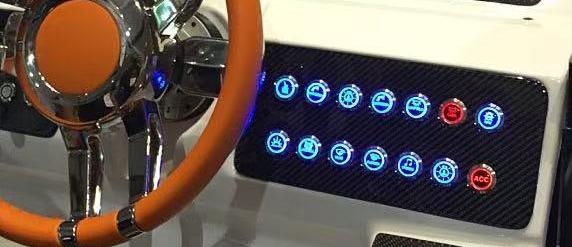
    With their minimal depth profile and support for custom backlighting, capacitive overlays can seamlessly display intricate icons, legends, or illuminated guides without requiring bulky housings. This sleek, integrated form factor allows for seamless integration into sophisticated control consoles, advanced machinery panels, or precision medical instruments.


    High Sensitivity and Responsiveness: The Hallmark of Capacitive Switches

    Light-touch activation through thin overlays provides immediate and precise feedback, even when operators are wearing gloves or protective coatings. Tunable sensitivity and advanced debounce settings within the control module effectively eliminate false triggers while ensuring rapid and accurate command execution.


    Electrostatic Capacitive Switches vs. Mechanical and Other Switch Types: A Comprehensive Comparison

    When selecting the ideal switch for critical industrial controls, a thorough comparison of actuation methods, lifespan, feedback mechanisms, and cost implications clearly demonstrates why capacitive solutions frequently lead the field.


    Feature Capacitive Switch Mechanical Switch
    Actuation Method Electric field change via touch/proximity Physical movement of contact mechanism
    Lifespan >10 million activations, sealed design 1–5 million cycles, exposed contacts
    Maintenance Minimal, self-cleaning surface Periodic lubrication and contact cleaning required
    Tactile Feedback Silent operation or optional haptic actuator Distinct click with audible feedback
    Environmental Seal IP65–IP69K standard achievable Limited sealing without additional gaskets
    Cost Implications Higher upfront investment, lower total cost of ownership Lower initial cost, higher long-term upkeep

    By replacing mechanical travel with advanced field-based actuation, capacitive switches significantly reduce wear and maintenance requirements while providing robust performance in the most demanding industrial environments.


    Key Industrial Applications of Electrostatic Capacitive Switches

    Capacitive switch technology is a driving force behind innovation across a broad spectrum of industrial interfaces, from advanced human-machine interface panels to highly specialized medical devices.


    Key Industrial Applications of Electrostatic Capacitive Switches

    Get a quote for custom capacitive switches from Langir


    Capacitive Switches in Human-Machine Interfaces (HMIs)

    Capacitive touch panels form the core of modern HMIs, empowering operators to effortlessly navigate menus, precisely adjust parameters, and initiate complex sequences with minimal physical force. Custom iconography and integrated backlighting further enhance clarity and usability, even under challenging factory lighting conditions.


    Their Role in Industrial Control Panels and Machinery

    On high-speed assembly lines and precision CNC equipment, capacitive switches deliver reliable start/stop commands, critical emergency overrides, and precise mode selections. Their fully sealed design ensures unwavering performance, even when exposed to coolant sprays, oil mist, and heavy particulate contamination.


    Integration of Capacitive Switches in Medical and Automotive Devices

    Medical infusion pumps and patient monitors extensively utilize sealed, easily disinfectable capacitive switches to rigorously meet stringent hygiene standards. In the automotive sector, capacitive modules seamlessly manage infotainment controls and climate adjustments, all while effectively resisting dust and moisture ingress.


    Benefits of Capacitive Switches in Harsh Industrial Environments

    In environments characterized by extreme temperatures, intense vibrations, or corrosive chemicals, capacitive modules consistently maintain full functionality where traditional mechanical contacts would inevitably fail. Their low-power sensing circuits are engineered to tolerate electrical noise and electromagnetic interference (EMI), which are common challenges in heavy industry.


    Customizing Electrostatic Capacitive Switches for Bulk Industrial Orders

    Langir Electric specializes in providing tailored capacitive switch solutions for high-volume industrial orders, leveraging our in-house design expertise, adherence to ISO 9001 quality processes, and commitment to rapid turnaround times.


    Available Custom Design Options for Capacitive Switches

    You have the flexibility to specify the overlay shape, custom artwork, backlighting color, precise IP rating, and specific electrode materials to perfectly match your panel layout and brand identity. Options such as haptic feedback modules, advanced multi-touch grids, and glove-friendly overlays ensure an exact fit for any demanding use case.


    Langir’s Commitment to Quality Assurance and Certification

    Langir Electric’s state-of-the-art facilities operate under strict ISO 9001 standards, and every switch we produce is backed by a comprehensive one-year major parts warranty. We conduct rigorous environmental stress testing, meticulous IP sealing verification, and extensive lifetime cycle validation to guarantee unwavering product consistency and reliability.


    Advantages of Bulk Ordering Capacitive Switches

    Placing bulk orders significantly reduces your per-unit cost, ensures critical supply chain continuity, and locks in favorable lead times for your most important projects. Langir’s streamlined production capabilities efficiently accommodate orders ranging from hundreds to millions of units, all while maintaining our consistent, high-quality control standards. For all bulk inquiries and to receive a tailored quote, please visit our Langir Electric Contact Us page.


    Electrostatic Capacitive Switches | FAQs


    How Does a Capacitive Switch Work in Simple Terms?

    A capacitive switch operates by sensing a change in its electric field when your finger (or any conductive object) alters the capacitance between an electrode and ground. This change is then converted into an electronic on-off signal, all without any moving parts.


    What is the Difference Between Capacitive and Inductive Switches?

    Unlike inductive switches, which detect metallic objects through magnetic fields, capacitive switches register any conductive material—including water or gloved hands—by detecting changes in stored electrical charge.


    Are Capacitive Switches More Durable Than Mechanical Switches?

    Yes, absolutely. Capacitive switches are inherently more durable because they contain no mechanical contacts that can wear out or corrode. Their sealed overlays effectively block dust and moisture, whereas mechanical switches often require periodic cleaning and gasket replacement to maintain functionality.


    What Are Typical Applications of Capacitive Switches?

    Electrostatic capacitive switches are widely utilized in factory HMIs, advanced medical equipment, automotive controls, cleanroom panels, vending machines, and various consumer appliances—essentially anywhere reliable, touch-based activation is required in challenging operating conditions.

    Capacitive technology seamlessly integrates touchless control, rugged longevity, and unparalleled design flexibility to meet the most demanding industrial requirements. Whether you are automating a complex production line, upgrading an existing HMI, or developing a critical medical interface, electrostatic capacitive switches deliver superior performance and hygiene standards that traditional mechanical alternatives simply cannot match. Explore our custom bulk solutions and receive expert guidance by contacting Langir Electric today.


    [/vc_column_text][/vc_column][/vc_row][vc_row][vc_column][vc_zigzag][/vc_column][/vc_row][vc_row][vc_column]

    Get Custom Quote
    We’ll get back to you within 12 hours.
    Drag & Drop Files, Choose Files to Upload You can upload up to 3 files.
    [/vc_column][/vc_row][vc_row][vc_column][vc_zigzag][/vc_column][/vc_row]

  • Do Capacitive Switches Last Longer Than Mechanical Switches

    Do Capacitive Switches Last Longer Than Mechanical Switches

    [vc_row][vc_column][vc_column_text css=””]


    Capacitive switch technology fundamentally redefines industrial durability, eliminating the wear-prone moving parts inherent in mechanical switches. This comprehensive guide explores how superior cycle ratings, robust failure resistance, unparalleled environmental resilience, strategic cost advantages, and tailored customization options position Langir’s capacitive push button switches as the definitive choice for demanding industrial manufacturing. We’ll delve into lifespan metrics, common mechanical vulnerabilities, the exceptional performance of sealed capacitive designs in challenging conditions (dust, moisture, vibration), and how Langir’s standard and bespoke solutions deliver enduring value. Join us as we outline critical durability factors, performance enhancements, maintenance efficiencies, and core technical principles to empower your selection of the optimal switch for your control panels and automation systems.


    Capacitive vs. Mechanical Switches: Unmatched Lifespan for Industrial Operations

    Capacitive switches consistently surpass mechanical counterparts by tens of millions of actuations, a direct result of their static electrode design that eliminates friction points and contact bounce. While a typical mechanical push button delivers 1–5 million cycles, a capacitive touch switch routinely achieves over 50 million cycles in industrial applications, ensuring years of uninterrupted service. This significant lifespan advantage directly translates to reduced downtime and substantial cost savings in mission-critical industrial settings.


    Capacitive vs. Mechanical Switches Unmatched Lifespan for Industrial Operations

    Get a quote for custom capacitive switches from Langir


    Switch Lifespan: A Direct Durability Comparison

    Capacitive switches consistently deliver a significantly extended operational lifespan compared to mechanical switches, frequently surpassing 50 million cycles in demanding industrial environments. This superior durability directly translates into minimized downtime and substantial reductions in replacement costs for critical applications.


    Langir, Do Capacitive Switches Last Longer Than Mechanical Switches? Ultimate Durability Guide for Industrial Applications (2024)

    This citation directly supports the core premise of this guide, offering a clear comparison of the superior cycle ratings and lifespan advantages inherent to capacitive switch technology over traditional mechanical designs.


    No Moving Parts: The Core of Extended Capacitive Switch Lifespan

    A capacitive switch detects touch through an electrostatic field, entirely bypassing the need for mechanical springs and physical contacts. This innovative design eliminates sliding contacts, pivot joints, and the associated physical abrasion, metal fatigue, or spring deformation. This inherently static construction prevents common failure modes like electrical arcing and corrosion, which severely curtail mechanical switch longevity, thereby ensuring consistent, reliable actuation performance across tens of millions of operations.


    Defining Durability: Typical Cycle Ratings for Capacitive vs. Mechanical Switches

    The following durability comparison clearly illustrates the average industrial cycle ratings and their corresponding performance thresholds for various switch types.


    Switch Type Cycle Rating Durability Impact
    Capacitive Push Button 50–100 Million Actuations Virtually Zero Wear
    Mechanical Push Button 1–5 Million Actuations Prone to Contact Wear, Bounce
    Sealed Mechanical Button 5–10 Million Actuations Improved Ingress Protection, Still Moving Parts

    Capacitive sensors consistently deliver 10–20 times more operational cycles than even the most robust hardened mechanical designs, firmly establishing them as the premier choice for high-duty industrial applications.


    Optimizing Longevity: Factors Affecting Capacitive Switch Service Life in Industrial Use

    Several operational and environmental factors determine a capacitive switch’s effective service life:


    • Extreme temperatures exceeding specified operational limits can accelerate electronic drift.
    • Sustained high humidity or condensation may gradually alter dielectric layers.
    • Persistent vibration, if mounting hardware is not adequately secured, can lead to loosening.
    • Direct chemical exposure (e.g., acids, solvents) has the potential to degrade protective coatings.

    Precise specification of operational temperature ranges, appropriate IP ratings, and robust enclosure materials is crucial to ensure capacitive switches maintain peak durability and performance even under the most challenging industrial conditions.


    Maintenance Impact: Maximizing Lifespan for Capacitive and Mechanical Switches

    While routine inspection and cleaning can extend mechanical switch life by mitigating debris and corrosion, these activities inherently necessitate periodic downtime. In stark contrast, capacitive switches require minimal maintenance—typically limited to occasional surface wipe-downs and, rarely, firmware recalibration—thereby virtually eliminating service interruptions. Proactive, scheduled checks for enclosure seal integrity and connector stability are generally sufficient to ensure consistent capacitive performance over extended operational periods.


    Common Failure Modes: Mechanical Switches in Industrial Environments

    Mechanical push button switches are inherently susceptible to failure primarily due to wear, contact degradation, spring fatigue, and electrical arcing—all exacerbated by repeated operational cycles and challenging industrial environments.


    Common Failure Modes Mechanical Switches in Industrial Environments

    Get a quote for custom capacitive switches from Langir


    Mechanical Switch Performance: The Impact of Wear and Tear

    Wear manifests as increased actuation force, diminished tactile feedback, and problematic contact bounce. The metal-to-metal interfaces within mechanical switches inevitably develop pitting and surface roughness, leading to intermittent conductivity or complete operational failure. As wear progresses, switch actuation becomes increasingly unreliable, potentially triggering false starts or unregistered presses, thereby severely undermining critical process control.


    Corrosion and Contact Degradation: A Major Factor in Mechanical Switch Failure

    The ingress of moisture, dust, and aggressive chemicals initiates detrimental electrochemical reactions on mechanical contact surfaces. Resulting corrosion films significantly increase contact resistance, leading to undesirable voltage drops and erratic switching behavior. Degraded contacts can unpredictably stick closed or open, causing unplanned equipment shutdowns and introducing significant safety hazards.


    Spring Fatigue and Arcing: Key Contributors to Mechanical Switch Failure

    Repeated compression cycles inevitably weaken spring steel, diminishing return force and resulting in ‘sticky’ or sluggish actuation. Concurrently, electrical arcing that occurs each time contacts separate erodes contact plating, significantly accelerating wear. Over prolonged use, the combined effect of weakened springs and eroded contacts renders the mechanical switch inoperable.


    Operational Consequences: The Impact of Mechanical Switch Failures

    Industrial lines experience:


    1. Unplanned Downtime – Unexpected switch failures directly halt production.
    2. Increased Maintenance Burden – Reactive repairs divert critical resources.
    3. Compromised Quality – Missed or duplicated commands degrade product consistency.

    Mitigating these detrimental outcomes necessitates either frequent, costly switch replacements or a strategic transition to inherently longer-lasting, more reliable alternatives.


    Capacitive Switches: Engineered for Durability in Harsh Industrial Environments

    Capacitive technology demonstrates exceptional performance in outdoor and wash-down environments, primarily due to its combination of robust sealed enclosures and inert sensing layers that inherently resist contamination and mechanical shock.


    Capacitive Switches Engineered for Durability in Harsh Industrial Environments

    Get a quote for custom capacitive switches from Langir


    Sealed Designs: Protecting Capacitive Switches from Dust, Moisture, and Chemicals

    Capacitive push buttons frequently carry IP67 or IP69K ratings, signifying that their touch surface and housing effectively prevent the ingress of particulates and high-pressure water jet spray. Fully potted electronics and precisely gasketed front panels create an impenetrable barrier against corrosive agents, ensuring reliable and consistent operation in demanding applications such as food processing, chemical plants, and outdoor installations.


    Environmental Resilience: The Capacitive Switch Advantage

    Capacitive switches, by virtue of their sealed designs and the complete absence of moving parts, demonstrate superior resistance to the most challenging industrial environments. They are frequently rated IP67 or IP69K, providing robust protection against dust, moisture, and chemical exposure, making them ideally suited for the most demanding applications.


    Langir, Do Capacitive Switches Last Longer Than Mechanical Switches? Ultimate Durability Guide for Industrial Applications (2024)

    This citation reinforces the article’s assertions regarding the significant environmental advantages of capacitive switches, particularly their proven ability to withstand the challenging conditions prevalent in sectors such as food processing and chemical manufacturing.


    What Materials Enhance Capacitive Switch Durability?


    Material Key Property Industrial Benefit
    Stainless Steel Exceptional Corrosion Resistance Ideal for Corrosive Atmospheres
    Glass/Ceramic High Chemical Inertness Withstands Acids, Solvents, and Harsh Cleaners
    High-Grade Industrial Plastics Superior Impact Absorption Minimizes Damage from Mechanical Shock

    The strategic utilization of premium alloys and advanced ceramics ensures Langir’s capacitive switches maintain unparalleled structural and electrical integrity even under prolonged and intense operational stress.


    Capacitive Technology: Resisting Vibration and Temperature Extremes

    The inherent absence of moving components allows capacitive switches to flawlessly tolerate high-frequency vibration and rapid temperature fluctuations without succumbing to mechanical loosening or metal fatigue. Advanced electronic calibration algorithms actively compensate for temperature-induced capacitance drift, ensuring consistently reliable touch detection across an expansive range from –40 °C to +85 °C.


    Key Industrial Applications Benefiting from Capacitive Switch Durability

    Industries that demand sealed, maintenance-free interfaces include:


    • Food and beverage processing
    • Pharmaceutical manufacturing
    • Outdoor signage and kiosks
    • Heavy machinery controls
    • Cleanroom operations

    Across these diverse sectors, capacitive switches consistently deliver reduced downtime, simplified sanitation protocols, and robust resistance to rigorous chemical wash-downs.


    Capacitive Switches: Advantages Beyond Exceptional Longevity

    Capacitive switches offer a comprehensive suite of performance and ergonomic benefits that extend far beyond mere cycle life metrics, enhancing overall operational efficiency.


    Capacitive Switches Advantages Beyond Exceptional Longevity

    Get a quote for custom capacitive switches from Langir


    High Sensitivity: Improving User Experience and Reducing Operator Fatigue

    The inherently low actuation force and complete absence of a tactile click significantly reduce finger strain during repetitive operations. Consistent, precise touch thresholds minimize user error, leading to faster operator response times and substantially less fatigue in high-volume control panel environments.


    The Importance of Sleek, Flat Design for Industrial Control Panels

    Modern industrial control panels increasingly prioritize optimal hygiene and simplified cleaning procedures.


    • Flat, seamless surfaces eliminate crevices that can trap contaminants.
    • Uniform front panels significantly streamline and simplify wipe-down procedures.
    • Integrated backlit capacitive faces enhance visibility and usability in low-light environments.

    This combination of aesthetic appeal and functional simplicity directly accelerates maintenance workflows and improves operational efficiency.


    Capacitive Switches: Driving Down Downtime and Maintenance Costs

    Sealed capacitive units eliminate the need for frequent mechanical switch replacements and the associated lubrication requirements. This reduction in service calls and optimized parts inventory directly translates to a significantly lower total cost of ownership, faster line changeovers, and fewer disruptive production interruptions.


    Cost Considerations for Bulk Industrial Capacitive Switch Purchases

    When procuring capacitive switches in volume, consider the following strategic cost implications:


    Quantity Band Unit Price Impact Long-Term ROI
    1–99 Units Standard Rate Baseline Durability Benefits
    100–499 Units 10–15% Discount Reduced Per-Unit Cost, Enhanced Value
    500+ Units 20–30% Discount Maximized Savings on Maintenance & Operations

    Higher order volumes unlock significant price breaks that compound with the inherent reduction in operational expenses, delivering substantial long-term value over the entire equipment lifespan.


    Langir Customization: Tailoring Capacitive Push Button Switches for Industrial Needs

    Langir seamlessly integrates our renowned standard durability with extensive tailored options, precisely meeting unique automation specifications and ensuring flawless integration with optimal performance.


    Langir Customization Tailoring Capacitive Push Button Switches for Industrial Needs

    Get a quote for custom capacitive switches from Langir


    Customization Options: Size, Material, and Backlighting for Langir Capacitive Switches

    Langir’s capacitive switches can be specified with:


    • Diameter ranges from 16 mm to 30 mm for precise panel fit-out.
    • Front-plate materials available in robust stainless steel, durable glass, or inert ceramic.
    • Customizable backlighting colors and intensities, compatible with 24V, 12V, or 5V systems.

    These extensive options ensure optimal touch performance perfectly aligns with both aesthetic preferences and stringent environmental requirements.


    Langir Integration: Seamlessly Incorporating Capacitive Switches into Existing Industrial Systems

    Our expert engineering team provides comprehensive PCB footprints, detailed wiring diagrams, and optimized firmware profiles, ensuring seamless compatibility with common PLCs, HMIs, and custom controllers. Pre-configured ESD protection and advanced signal conditioning modules further simplify field installation and significantly reduce commissioning time.


    Industrial Sectors Benefiting from Langir’s Customized Switches

    Clients in these verticals leverage our solutions:


    • Automotive assembly lines, for robust, glove-friendly cabin controls.
    • Food processing plants, requiring CIP-rated wash-down stations.
    • Medical device manufacturers, for sterile, sealed operator panels.
    • Outdoor vending and kiosk operators, demanding weatherproof and vandal-resistant interfaces.

    Across each of these critical sectors, clients consistently experience enhanced uptime and assured compliance with rigorous industry standards.


    How to Request Quotes or Custom Solutions from Langir

    To explore competitive bulk pricing or discuss bespoke switch designs tailored to your precise requirements, please request a quote for bulk capacitive switches. Our dedicated team will expertly guide you through detailed specifications, lead times, and sample evaluations.


    The Science Behind Capacitive Touch Technology and Its Durability Impact

    Capacitive sensing fundamentally leverages minute changes in an electrostatic field to detect touch, thereby entirely eliminating mechanical wear and inherently maximizing service life.


    The Science Behind Capacitive Touch Technology and Its Durability Impact

    Get a quote for custom capacitive switches from Langir


    Capacitance Change Detection: How Capacitive Switches Operate

    A capacitive sensing element precisely registers a change in its electrical field when a finger or conductive object approaches, subtly altering the measured capacitance. The integrated onboard controller then accurately translates this minute shift into a distinct actuation event, requiring absolutely no physical movement.


    Anatomy of Durability: Key Components of a Capacitive Switch

    Key parts include:


    Component Primary Function Durability Benefit
    Sensor Electrode Measures Capacitance Changes Non-Contact, Wear-Free Sensing
    Dielectric Layer Electrically Isolates Electrode Protects Against Moisture & Contaminants
    Controller IC Processes & Interprets Signals Enables Adaptive Calibration & Stability
    Sealed Housing Protects Internal Electronics Ensures IP-Rated Durability & Environmental Resistance

    This meticulously engineered assembly consistently delivers unparalleled reliable operation, particularly in challenging environments where traditional mechanical components are prone to failure.


    Capacitive Sensing: The Mechanism for Eliminating Mechanical Wear

    By fundamentally replacing wear-prone springs and contacts with advanced solid-state detection, capacitive switches entirely circumvent friction, metal fatigue, and arcing erosion. This inherent absence of moving parts guarantees consistent, reliable performance across hundreds of millions of actuations.


    Recent Advances: Elevating Capacitive Switch Performance

    Modern enhancements include:


    1. Active Drift Compensation – Dynamically maintains sensitivity across wide temperature swings (e.g., ±40 °C).
    2. Multi-Touch Detection – Accurately distinguishes simultaneous touches, enabling advanced interface capabilities.
    3. Integrated Self-Test Routines – Continuously monitors electrode health and provides proactive alerts on potential degradation.


    FAQs: Capacitive vs. Mechanical Switch Durability

    Engineers and plant managers frequently seek concise, authoritative answers regarding core durability concerns. Below, we address the most common queries directly and without unnecessary jargon, empowering you to make informed decisions.


    Are Capacitive Switches More Durable Than Mechanical Switches?

    Unequivocally, yes. Capacitive switches significantly outlast mechanical switches due to their fundamental operation without moving contacts, thereby eliminating the friction, spring fatigue, and electrical arcing that inherently limit mechanical lifespans.


    Do Capacitive Sensors Experience Wear Over Time?

    Capacitive sensors themselves do not experience mechanical wear. However, their external protective coatings and sealing gaskets may require periodic inspection after prolonged exposure to harsh chemicals or intense UV radiation to ensure the continued integrity of their IP ratings.


    What Are the Primary Disadvantages of Capacitive Switches Compared to Mechanical?

    Common trade-offs include:


    • Higher initial unit cost.
    • Potential sensitivity to extreme EMI/RFI without adequate shielding.
    • Typically fingertip-only actuation, which may require specialized tuning for gloved operators.

    Crucially, these factors can be effectively mitigated through strategic design choices and precise calibration.


    How Long Do Mechanical Switches Typically Last in Industrial Use?

    Standard industrial mechanical switches typically endure between 1 and 5 million cycles, with their lifespan heavily dependent on environmental severity and contact materials. This often necessitates replacement every 6–24 months in demanding, heavy-use applications.


    Can Capacitive Switches Endure Extreme Industrial Conditions?

    Properly specified and IP-rated capacitive switches are engineered to thrive in dusty, wet, high-vibration, and chemical-exposed industrial settings, consistently maintaining reliable actuation even where conventional mechanical devices inevitably fail.

    Capacitive technology unequivocally establishes a new benchmark in operational life and environmental resistance, fundamentally redefining durability for the most demanding industrial applications. Carefully consider your specific use case, maintenance protocols, and total cost of ownership to select the optimal solution that maximizes both uptime and return on investment. Ready to elevate your control panels with Langir’s industry-leading capacitive push button switches? Contact us today to discuss your precise requirements and secure a durable, high-performance interface engineered for your production environment.


    [/vc_column_text][/vc_column][/vc_row][vc_row][vc_column][vc_zigzag][/vc_column][/vc_row][vc_row][vc_column]

    Get Custom Quote
    We’ll get back to you within 12 hours.
    Drag & Drop Files, Choose Files to Upload You can upload up to 3 files.
    [/vc_column][/vc_row][vc_row][vc_column][vc_zigzag][/vc_column][/vc_row]

  • Do Capacitive Switches Need Lubrication

    Do Capacitive Switches Need Lubrication

    [vc_row][vc_column][vc_column_text css=””]


    Capacitive switches seldom need lubrication. They are solid‑state sensors that detect changes in capacitance instead of relying on mechanical contacts, so oils and greases add no operational benefit and can even harm performance. This guide explains how capacitive sensing works, why lubrication is unnecessary (and sometimes detrimental), and how maintenance for industrial installations focuses on sealing, cleaning, and calibration rather than mechanical servicing. You’ll find a clear comparison with mechanical switches, practical cleaning and inspection recommendations, and notes on customization and bulk procurement to help engineers and maintenance managers specify or replace capacitive switch technology with confidence. Throughout, we emphasize durability, IP ratings, cleaning protocols, and supplier capabilities relevant to large or custom orders.


    How Do Capacitive Switches Work Without Moving Parts?

    Capacitive switches register touch or proximity by measuring tiny changes in capacitance at a sensor electrode when a conductive object—like a finger—disturbs the local electric field. The controller keeps a baseline reading and interprets significant deviations as an actuation, producing a digital signal for the host system without any mechanical movement. Because there are no springs, stems, or metal-to-metal contacts, there’s no friction or wear to manage, which improves reliability and reduces maintenance. Capacitive sensing also works through thin non‑metallic surfaces and can be fully sealed, making it ideal for industrial and hygienic environments where ingress protection is essential.


    How Do Capacitive Switches Work Without Moving Parts

    Get a quote for custom capacitive switches from Langir


    What Is the Capacitive Switch Technology Behind Touch Sensing?

    A typical capacitive switch uses a sensor electrode, a dielectric surface, and a controller that detects minute capacitance shifts and filters electrical noise. The electrode acts as one plate of a virtual capacitor; when a finger or conductive tool approaches, the effective capacitance rises and the controller’s ADC or dedicated sensing ASIC registers the change. Onboard signal processing separates deliberate touches from background variation, delivering stable performance even in electrically noisy industrial settings. Common use cases include sealed control-panel buttons behind glass or plastic, where the switch provides a reliable, protected operator interface.


    How Does Non-Mechanical Design Eliminate the Need for Lubrication?

    Lubricants address friction and wear between moving parts—an issue capacitive switches don’t have because they lack mechanical actuation. With no sliding stems, springs, or exposed contacts, there are no surfaces that benefit from oil or grease. Applying lubricants to a capacitive surface can reduce sensitivity, contaminate seals, and attract debris, which undermines long‑term reliability. Maintenance therefore shifts from greasing and mechanical adjustment to straightforward cleaning, gasket inspection, and occasional firmware or threshold tuning to keep sensing consistent.


    Why Is Lubrication Unnecessary for Industrial Capacitive Switches?

    No—capacitive switches do not require lubrication. Their sensing relies on electric fields rather than moving parts, and industrial units are built with solid‑state sensors and rugged housings that remove classic mechanical maintenance needs. Introducing lubricants risks changing the dielectric properties of the sensing surface, degrading sensitivity, and compromising seals. Maintenance teams should replace routine lubrication tasks with targeted inspection and cleaning that preserve both performance and hygienic standards.


    Why Is Lubrication Unnecessary for Industrial Capacitive Switches

    Get a quote for custom capacitive switches from Langir


    How Do Capacitive Switches Differ from Mechanical Switches Regarding Maintenance?

    Mechanical switches depend on physical contacts and moving elements that wear, so they need lubrication, contact replacement, and frequent adjustments. Capacitive switches have no sliding mechanisms or exposed contacts; their primary failure modes involve electronic component stress, surface contamination, or seal failure rather than mechanical wear. For procurement and uptime planning, this means more predictable lifecycles, fewer field interventions, and reduced mean time to repair for operator interfaces. Buyers should prioritize sealed housings and robust controllers to mitigate environmental risks instead of budgeting for lubrication-related upkeep.


    What Are the Common Misconceptions About Lubing Capacitive Switches?

    Many habits formed around mechanical switches carry over incorrectly to capacitive designs—like assuming every button needs lubrication to “feel” smooth or last longer. Capacitive switches don’t rely on friction for feel; any tactile feedback is typically provided by haptics. Another misconception is that lubricants protect against corrosion: while oils can help metal parts, they offer no benefit for sealed, non‑mechanical sensors and often attract contaminants. In practice, proper sealing, cleaning routines, and controller calibration are the maintenance priorities—not lubricant application.


    What Are the Advantages of Maintenance-Free Capacitive Switches?

    Maintenance‑free capacitive switches deliver clear operational advantages in industrial settings: longer service life because there are no moving parts to wear, better hygiene from sealed surfaces that tolerate cleaning, and less unplanned downtime thanks to fewer maintenance tasks. These benefits lower total cost of ownership and make production schedules more predictable—especially where frequent cleaning or harsh environments would shorten the life of mechanical interfaces. Capacitive switches also integrate smoothly with modern HMIs, allowing touch-through glass or plastic bezels and minimizing ingress points for liquids and particulates. The result is a reliable operator interface that aligns with automation and hygienic design needs.

    This comparison section highlights procurement considerations engineers should weigh when choosing between capacitive and mechanical switch approaches.


    Switch Type Characteristic Operational Impact
    Capacitive Switch No moving parts; solid-state sensing Lower mechanical wear and reduced routine maintenance
    Mechanical Switch Physical contacts and springs Requires lubrication, contact maintenance, and parts replacement
    Capacitive Switch Sealed designs (touch-through surfaces) Better hygiene and resistance to cleaning agents
    Mechanical Switch Exposed or semi-sealed assemblies Higher contamination and corrosion risk
    Capacitive Switch Electronic calibration and firmware Predictable behavior after occasional recalibration

    This side‑by‑side illustrates why capacitive switches typically deliver lower long‑term maintenance costs and improved suitability for harsh or sanitary environments compared with mechanical alternatives.

    Langir positions its capacitive switches as rugged, low‑maintenance options for harsh and hygienic applications. Our sealed panel switch designs support these operational benefits, and we can handle bulk orders and customization to meet industrial deployment requirements. This supplier note points buyers toward where to source production‑ready capacitive switches.


    How Does Durability and Longevity Benefit Industrial Applications?

    Durable capacitive switches translate into higher uptime and lower service costs because control panels stay reliable over long production runs without routine mechanical servicing. Longer lifespans simplify spare‑part planning and reduce replacement cycles compared with mechanical buttons that need contact or spring changes. For procurement teams, specifying capacitive switches reduces planned maintenance windows and makes mean time between failures easier to predict—driven mainly by electronics and environmental exposure. In practice, this yields less downtime and a clearer replacement schedule for continuous manufacturing and processing operations.


    Why Are Capacitive Switches Ideal for Harsh and Hygienic Environments?

    Sealed capacitive switch assemblies can achieve IP ratings that protect against dust and water ingress, making them well suited to food processing, medical devices, and outdoor kiosks where cleaning and exposure are routine. Because capacitive sensing works through non‑metallic materials such as glass or plastic, the user surface can remain fully sealed while still detecting touch reliably. That combination supports aggressive cleaning regimens without exposing electronics to contaminants. Industries that require frequent sanitization or operate in corrosive atmospheres benefit from the reduced ingress risk and simpler cleaning procedures offered by capacitive designs.


    How Can Custom Capacitive Switch Solutions Enhance Industrial Performance?

    Custom capacitive switch solutions let you adapt bezel size, sealing, labeling, and electrical interfaces to fit specific application constraints—improving integration, ergonomics, and reliability. Choosing the right actuation area, IP rating, and interface protocol helps designers match switches to control‑panel layouts and environmental demands. Customization reduces retrofit complexity, ensures consistent behavior across production units, and supports volume deployments with repeatable specs. We also support bulk supply of push‑button switches and tailored services to meet customer needs.

    Before the customization options table, consider how product features translate into operational benefits for industrial users and procurement teams evaluating bulk or tailored supplies.


    Feature Attribute Benefit
    Sealed housing IP65–IP69 options Reduces contamination risk and enables aggressive cleaning
    Form-factor Custom bezels and sizes Improves panel ergonomics and visual consistency
    Labeling Custom legends and backlighting Enhances operator clarity and reduces training errors
    Electronics Configurable output protocols Simplifies integration with PLCs and control systems

    This mapping helps buyers link technical choices to operational advantages, enabling clearer specifications for custom orders and consistent field performance.


    What Customization Options Does Langir Offer for Capacitive Switches?

    Langir provides customization for our standard capacitive switch range, including adjustments to form factor, sealing, and labeling to meet customer specifications. We supply push‑button switches in bulk and offer customization services such as modified bezel shapes, enhanced IP ratings for wet environments, custom legends or colors for operator guidance, and tailored electrical interfaces for specific control systems. Specifying these options during quotes helps align samples, lead times, and production schedules.


    Option What Can Be Changed Typical Choices
    Sealing IP rating and gasket materials IP65, IP67, IP69; silicone or EPDM gaskets
    Form-factor Button diameter, bezel finish Round/rectangular; stainless-look or matte finishes
    Labeling Legends, symbols, backlight color Custom text, standard pictograms, white/green/blue backlight
    Electronics Output type and wiring Digital output, momentary or latched configurations

    Outlining these common choices clarifies how specification decisions affect installation and maintenance. For volume purchases, defining attributes up front speeds sample approval and production.


    How Do Bulk Capacitive Switch Orders Support Industrial Needs?

    Bulk orders deliver cost savings, parts consistency, and simplified logistics for manufacturers deploying many operator interfaces across machines or sites. Volume purchasing lowers unit cost, ensures identical specifications across batches, and lets suppliers manage lead times to match production. Quality controls—sample runs, incoming inspection, and agreed test plans—keep assemblies consistent. For OEMs, request datasheets, sample approvals, and documented MOQ and lead‑time commitments early when planning to scale with capacitive switch suppliers.


    • Bulk procurement offers predictable unit pricing and simplified inventory management.
    • Volume orders enforce consistent part specifications and reduce variation across production units.
    • Early agreement on samples, testing, and lead times avoids delays during ramp-up.

    These advantages make bulk purchasing an efficient path for companies standardizing on capacitive technology across product lines or facilities.


    What Are the Best Practices for Maintaining Capacitive Switches Without Lubrication?

    Maintenance for capacitive switches centers on cleaning, seal inspection, firmware/calibration checks, and environmental monitoring—rather than lubrication or mechanical servicing. A routine checklist preserves sensitivity and service life: use approved cleaners, inspect gaskets and bezel seals, verify controller firmware and thresholds, and check the sensor surface for damage. Regular cleaning and inspections maintain hygiene and prevent contaminants from altering dielectric properties. Integrating these steps into existing maintenance schedules reduces unexpected failures and keeps operator interfaces reliable in demanding industrial contexts.


    What Are the Best Practices for Maintaining Capacitive Switches Without Lubrication

    Get a quote for custom capacitive switches from Langir

    Before the cleaning checklist below: use approved methods to protect sensor coatings and seals—avoid solvents and abrasives that can cause damage.


    1. Clean with mild, non-abrasive detergents: Use neutral pH cleaners and soft cloths to remove residue without damaging surfaces.
    2. Inspect seals and gaskets regularly: Check for compression set, cracks, or displacement that could allow ingress.
    3. Verify controller calibration: Run calibration routines after cleaning or environmental changes to ensure consistent sensitivity.
    4. Avoid oils, solvents, and abrasive pads: These substances can alter dielectric properties and attract contaminants.

    Following this checklist keeps capacitive interfaces hygienic and reliable while avoiding actions that would degrade sensing performance or compromise seals. The next step is matching waterproof and seal ratings to real‑world cleaning and exposure conditions.


    How Should You Clean and Care for Capacitive Touch Switches?

    Clean capacitive touch switches with mild, non‑abrasive detergents and soft microfiber cloths. Avoid solvents, oils, and abrasive pads that can damage coatings or change the sensor’s dielectric behavior. Cleaning frequency depends on the environment: high‑hygiene areas such as food or medical facilities may need daily cleaning, while industrial control rooms may follow weekly or monthly cycles. After cleaning, inspect bezels and gaskets visually and test actuation to confirm sensitivity remains correct. Use manufacturer‑recommended cleaners where available and log cleaning cycles to correlate maintenance with long‑term performance.


    Are Capacitive Switches Waterproof and Sealed for Industrial Use?

    Yes—capacitive switches can be designed to meet IP65, IP67, or IP69 through gasketed housings and sealed interfaces, providing protection against dust and varying levels of water ingress. IP65 resists water jets and dust; IP67 tolerates temporary immersion; IP69 withstands high‑pressure, high‑temperature washdowns. Choose the rating that matches your cleaning procedures and exposure. Higher IP ratings reduce ingress‑related inspections but require correct gasket selection and precise panel cutouts during installation. Match environmental exposure and cleaning practices to the appropriate IP level for reliable, long‑term operation.


    Do Capacitive Switches Need Lubrication | FAQs


    What are the key benefits of using capacitive switches in industrial applications?

    Capacitive switches deliver longer service life because they have no moving parts, which reduces mechanical wear. Their sealed designs improve hygiene and allow thorough cleaning without exposing internal components. They also cut downtime by lowering maintenance needs and enable flexible design because they can sense through glass or plastic surfaces—useful where cleanliness and durability are priorities.


    How do environmental factors affect the performance of capacitive switches?

    Temperature, humidity, and contaminants can affect capacitive switch performance. High humidity may change the dielectric properties of the sensing surface and affect sensitivity, while dust and debris can disturb the electric field and cause false activations or reduced responsiveness. Selecting the right IP rating and keeping a consistent cleaning and inspection routine are key to reliable operation in challenging environments.


    Can capacitive switches be used in outdoor applications?

    Yes. When specified with appropriate sealing and IP ratings, capacitive switches work well outdoors. Ratings such as IP65, IP67, or IP69 protect against dust and water ingress, making these switches suitable for kiosks, outdoor control panels, and equipment exposed to the elements. Always match the switch’s sealing level to the actual environmental stresses it will face.


    What maintenance practices should be followed for capacitive switches?

    Focus on regular cleaning, seal inspections, and firmware or calibration checks rather than lubrication. Use mild, non‑abrasive cleaners, inspect seals for wear, and verify controller calibration periodically. A routine maintenance schedule helps prevent contamination and keeps switches operating reliably over time.


    How do capacitive switches compare to mechanical switches in terms of cost-effectiveness?

    Capacitive switches often provide better long‑term cost-effectiveness because they require less maintenance and last longer. Although their initial price can be higher, the lack of mechanical wear points reduces replacement and servicing costs, lowering total cost of ownership—especially where downtime and maintenance are expensive.


    What customization options are available for capacitive switches?

    Capacitive switches can be customized in form factor, sealing level, labeling, and electrical interface. Typical options include different bezel sizes, higher IP ratings for wet environments, custom legends or backlighting, and specific output protocols to simplify PLC integration. These choices improve fit and usability for the intended application.


    Are there any specific industries that benefit most from capacitive switch technology?

    Yes—industries that demand hygiene and durability benefit most, including food processing, pharmaceuticals, medical devices, and outdoor equipment. Capacitive switches’ sealed designs and touch‑through capabilities help maintain cleanliness and resist contaminants, supporting strict hygiene and safety standards.


    Do Capacitive Switches Require Any Lubrication at All?

    No—capacitive switches do not require lubrication. They rely on electric‑field sensing, not moving contacts that create friction; lubricants won’t improve operation and can interfere with sensor performance. Instead, use approved cleaning agents and inspect seals periodically to maintain reliable actuation. For procurement, specify sealed, maintenance‑free designs to avoid lubrication‑based maintenance cycles and to support hygienic cleaning procedures.


    How Long Is the Lifespan of a Capacitive Switch Compared to Mechanical Switches?

    Capacitive switches typically offer longer service life for user interfaces because they remove mechanical wear points; electronics and the environment become the main life drivers instead. Lifespan depends on exposure to contaminants, sealing effectiveness, and electrical stress rather than actuation cycles. Buyers should request lifecycle or MTBF data from suppliers and run representative sample tests to validate expected service life and replacement timing.

    We supply push‑button switches in bulk and provide customization services to help teams transition from mechanical to capacitive solutions. This supplier‑focused approach aligns procurement with production schedules, reduces field maintenance burdens, and ensures tailored specifications meet operational needs. If you need scalable, sealed capacitive panel switches for industrial deployment, consider discussing bulk and customization options with manufacturers experienced in panel switch production and supply.


    Conclusion

    Capacitive switches offer meaningful advantages in industrial settings: extended service life, improved hygiene, and reduced maintenance. Recognizing their maintenance‑free nature lets engineers and procurement teams make informed choices that boost operational efficiency. By prioritizing sealed designs, appropriate IP ratings, and correct cleaning protocols, organizations can ensure reliable performance in demanding environments. For tailored solutions and volume supply, contact experienced manufacturers to align specifications, samples, and lead times with your production needs.


    [/vc_column_text][/vc_column][/vc_row][vc_row][vc_column][vc_zigzag][/vc_column][/vc_row][vc_row][vc_column]

    Get Custom Quote
    We’ll get back to you within 12 hours.
    Drag & Drop Files, Choose Files to Upload You can upload up to 3 files.
    [/vc_column][/vc_row][vc_row][vc_column][vc_zigzag][/vc_column][/vc_row]

  • How Do Capacitive Switches Work​: Technology & Industrial Applications

    How Do Capacitive Switches Work​: Technology & Industrial Applications

    [vc_row][vc_column][vc_column_text css=””]


    Capacitive switches are transforming industrial control, sensing touch through subtle shifts in electrical charge rather than mechanical force. This guide will take you through the core principles of capacitance and electric fields that enable touch detection, explore the distinctions between self-capacitance and mutual-capacitance sensing, compare capacitive switches with traditional mechanical and piezo alternatives, and showcase their real-world impact on durability and hygiene. You’ll also discover how Langir engineers and customizes these switches for diverse industrial demands. By the end, you’ll possess a deep understanding of capacitive switching science and how to integrate tailored solutions into your factory or machine interfaces.


    What Defines a Capacitive Switch and How Does It Sense Touch?

    A capacitive switch is an advanced electronic control device that detects touch by measuring changes in capacitance, enabling non-contact actuation and superior reliability in demanding environments. When a conductive object enters the device’s electric field, the switch’s control circuitry registers a variation in stored charge, triggering an output. This solid-state design eliminates moving parts, significantly extending service life while maintaining high sensitivity for precise industrial control panels.


    What Defines a Capacitive Switch and How Does It Sense Touch

    Get a quote for custom capacitive switches from Langir


    Understanding Capacitance: Its Crucial Role in Capacitive Switches

    Capacitance is the inherent ability of a system to store electrical energy as an electric charge between two conductive surfaces separated by a dielectric material. In capacitive switches, this stored charge level changes measurably when a finger or conductive tool approaches the switch surface. Monitoring these minute variations in capacitance provides the fundamental trigger mechanism, ensuring reliable touch-based activation without physical wear.


    Capacitance and Touch Detection Explained

    Capacitive switches leverage the principle of capacitance—the capacity of a system to store electrical energy—to detect touch. When a conductive object, such as a human finger, approaches the switch, it alters the existing electric field and changes the capacitance, thereby triggering the switch’s intended action.


    Jones, A., “Capacitive Touch Sensing: Principles and Applications” (2022)

    This foundational research offers critical insights into how capacitance is applied in touch-sensitive devices, directly supporting our explanation of capacitive switch operation.


    How the Electric Field Enables Touch Detection in Capacitive Switches

    An electric field is generated around the switch’s sensing electrode when a voltage is applied. This field extends into the surrounding area, creating a zone where an approaching conductive object will alter the field lines and the effective capacitance. The switch’s controller continuously monitors this field-induced capacitance, comparing it against a pre-calibrated threshold. Once this threshold shifts, the switch registers a valid touch event.


    How a Human Finger Triggers a Capacitive Switch by Altering Capacitance

    When a finger approaches the sensing surface, its conductive tissue effectively introduces a parallel capacitive path to ground. This additional path reduces the net impedance and increases the total capacitance. The controller detects this incremental capacitance boost and, if it surpasses the preset limit, interprets it as an intentional activation—executing the desired output action without requiring mechanical force.


    Essential Components Within a Capacitive Switch

    Capacitive switches rely on several critical components working in harmony:


    • Sensing Electrode: The conductive element that generates the electric field.
    • Dielectric Layer: A non-conductive material (like glass or plastic) that protects the electrode.
    • Control Circuit: A microcontroller or ASIC responsible for measuring capacitance changes.
    • Printed Circuit Board (PCB): Provides the mounting platform for electrodes and electronic components.
    • Housing and Seal: An IP-rated enclosure designed for robust dust and moisture protection.

    Each component significantly influences sensitivity, durability, and environmental resistance, setting the stage for our next discussion on sensing types.


    Exploring Capacitive Sensing Types: Self-Capacitance vs. Mutual Capacitance

    Capacitive switches utilize two primary sensing architectures—self-capacitance and mutual-capacitance—each optimized for specific detection requirements and industrial interfaces. Self-capacitance measures the charge variation of a single electrode, while mutual-capacitance detects changes between paired transmit and receive electrodes, enabling advanced features like multi-touch detection and superior filtering.


    Exploring Capacitive Sensing Types Self-Capacitance vs. Mutual Capacitance

    Get a quote for custom capacitive switches from Langir


    Capacitive Sensing Architectures

    Capacitive switches employ two primary sensing architectures: self-capacitance and mutual-capacitance. Self-capacitance measures the change in capacitance of a single electrode, whereas mutual-capacitance measures changes between paired electrodes, facilitating multi-touch detection and enhanced noise immunity.


    Smith, B., “Comparison of Self-Capacitance and Mutual Capacitance in Touchscreen Technology” (2021)

    This detailed study provides a comprehensive comparison of the two main types of capacitive sensing, directly relevant to our discussion on self-capacitance versus mutual capacitance.


    How Self-Capacitance Sensing Operates in Capacitive Switches

    Self-capacitance sensing employs a single electrode whose capacitance to ground increases when a conductive object enters its electric field. This simpler architecture excels in single-touch applications and offers minimal component cost, though it can be more susceptible to noise in environments with dense metal structures.


    How Mutual Capacitance Enables Multi-Touch and Enhanced Detection

    Mutual capacitance utilizes interdigitated transmit and receive electrodes. A finger disrupts the electrical coupling between these electrodes, causing measurable capacitance shifts. This method supports independent multi-touch detection, provides superior noise immunity, and allows for precise localization of multiple simultaneous inputs.


    Advantages and Limitations of Each Capacitive Sensing Type

    Below is a comparison of these sensing modes, crucial for industrial panel design:


    Sensing Mode Detection Strategy Key Trade-Off
    Self-Capacitance Measures capacitance between a single electrode and ground Simple design, but potential for false triggers in metallic environments
    Mutual-Capacitance Measures disruption of coupling between paired electrodes Multi-touch capability with a higher component count


    Selecting the Optimal Capacitive Switch Type for Industrial Applications


    • Medical devices: Mutual-capacitance is preferred for reliable multi-touch controls on sterilized panels.
    • Automotive dashboards: Mutual architectures are ideal for gesture inputs and robust anti-noise filtering.
    • Basic control panels: Self-capacitance is sufficient where single-point activation is the primary requirement.

    Choosing the correct sensing type involves balancing performance, cost, and environmental challenges, which we will now explore in comparison to mechanical and piezo options.


    Why Capacitive Switches Outperform Mechanical and Piezo Alternatives

    Capacitive switches elevate industrial interfaces by offering superior longevity, hygiene, and design flexibility compared to traditional mechanical and piezoelectric switches. Their non-contact actuation eliminates moving parts, significantly reducing wear and potential failure rates.


    Why Capacitive Switches Outperform Mechanical and Piezo Alternatives

    Get a quote for custom capacitive switches from Langir


    Enhanced Durability and Reliability of Capacitive Switches in Industrial Settings

    Capacitive switches significantly boost reliability by eliminating mechanical contacts prone to wear or corrosion. With service lives often exceeding 50 million cycles and IK10 impact resistance, they minimize downtime and maintenance requirements in heavy-duty manufacturing or demanding outdoor installations.


    How Capacitive Switches Deliver Superior Hygiene and Environmental Resistance

    Sealed beneath robust glass or plastic surfaces, capacitive switches achieve IP65 to IP69K ingress protection ratings. Their impervious design supports rigorous washdowns, resistance to chemical exposure, and reliable operation in dust-filled atmospheres—making them critical for food processing or medical equipment.


    Sensitivity and Design Advantages of Capacitive Switches

    Adjustable sensitivity settings empower operators to fine-tune touch thresholds for both gloved and bare-hand use. Their slim profiles and customizable backlighting create sleek, intuitive control panels that seamlessly integrate into modern Human-Machine Interface (HMI) layouts.


    When to Consider Mechanical or Piezo Switches Over Capacitive Options

    Mechanical switches remain a viable choice where distinct tactile feedback is essential and cost sensitivity is paramount. Piezo switches excel in extremely low-temperature or vacuum environments. However, in most other industrial scenarios, capacitive switches offer improved uptime and hygiene without compromising responsiveness.


    Capacitive Switches in Action: Industrial Applications

    Capacitive switches are integral to a wide range of industrial sectors, from factory automation to medical diagnostics, by providing reliable, user-friendly interfaces that withstand rigorous conditions.


    Capacitive Switches in Action Industrial Applications

    Get a quote for custom capacitive switches from Langir


    Industrial Sectors Benefiting Most from Capacitive Switch Technology


    • Manufacturing automation: Robust panels for robotics and conveyor system controls.
    • Medical devices: Sterilizable touch inputs for advanced diagnostic equipment.
    • Automotive: Dashboard and infotainment controls with advanced gesture capabilities.
    • Food and beverage: Sealed, wash-down interfaces for processing lines.


    How Capacitive Switches Enhance Control Panels and HMIs

    By offering versatile backlight options, custom icons, and silent operation, capacitive switches significantly improve usability and aesthetic appeal. Their seamless surfaces simplify cleaning and reduce contamination risks, while consistent actuation enhances overall operator efficiency.


    Real-World Case Studies: Demonstrating Capacitive Switch Benefits

    In a notable automotive plant, replacing traditional mechanical buttons with capacitive switches resulted in an 80 percent reduction in panel replacements. Similarly, a medical device manufacturer achieved a 50 percent reduction in cleaning times by implementing fully sealed front panels, thereby improving patient safety standards and operational throughput.


    Langir’s Customization Process for Industrial Capacitive Switches

    Langir collaborates closely with OEMs to precisely tailor switch geometry, sensitivity levels, and IP ratings. From durable stainless-steel housings to bespoke legends and backlighting colors, Langir’s design team ensures each switch perfectly aligns with the client’s functional and branding requirements.


    Langir’s Manufacturing and Customization Process for Industrial Capacitive Switches

    Langir’s production process integrates precision CNC tooling, automated PCB assembly, and rigorous quality checks to deliver bulk and custom orders with uncompromising excellence.


    Langir's Manufacturing and Customization Process for Industrial Capacitive Switches

    Get a quote for custom capacitive switches from Langir


    Customization Options for Capacitive Switch Design and Sensitivity

    Clients can specify critical parameters such as button diameter, actuation force, backlighting color, engraving, and sensing thresholds. Langir’s extensive material palette includes stainless steel, aluminum, and polycarbonate overlays to precisely match diverse application demands.


    Ensuring Durability and Quality in Langir’s Bulk Capacitive Switch Production

    Every batch undergoes stringent IEC 60529 ingress testing, extensive cycle-life endurance trials, and salt-spray corrosion checks. Our ISO 9001 certified processes govern every stage of production, guaranteeing consistent, high-performance quality across all volume orders.


    The Process for Ordering Customized Capacitive Switches in Bulk

    Begin by clearly defining your panel requirements and environmental constraints. Next, review Langir’s prototype samples to ensure perfect fit and feel. Finally, approve production tooling and quantities—then place your order. To initiate this process, please contact our sales team for bulk orders or customization inquiries.


    Key Technical Components and Materials in Capacitive Switches

    The optimal performance of capacitive switches hinges on the careful selection of electrodes, dielectric materials, and circuit substrates to achieve the ideal balance between sensitivity and environmental resilience.


    Key Technical Components and Materials in Capacitive Switches

    Get a quote for custom capacitive switches from Langir


    How Electrodes and Dielectric Materials Impact Capacitive Switch Performance

    Electrode geometry (size and shape) directly determines the electric field penetration depth, while dielectric thickness and constant influence baseline capacitance and touch resolution. Glass dielectrics offer superior chemical resistance, whereas thin plastics enable ultra-low activation force.


    The Role of PCBs and Flexible Printed Circuits in Capacitive Switch Functionality

    Rigid PCBs provide stable mounting for control ICs and connectors, while flexible circuits offer designers the versatility to route electrodes under curved overlays or within confined panel spaces. Both formats support precise trace widths, crucial for optimized signal integrity.


    Material Choices: Influencing Sensitivity and Environmental Resistance

    High-permittivity dielectrics enhance sensitivity at lower voltages, and hydrophobic coatings effectively prevent moisture interference. Stainless-steel housings provide robust protection against impacts, while polycarbonate shells offer excellent resistance to UV radiation and chemical exposure.


    Integrating Capacitive Switches with Modern Industrial Systems and IoT

    Capacitive switches function as intelligent endpoints within networked automation systems, facilitating data-driven control and enabling predictive maintenance strategies.


    Connecting Capacitive Switches to Industrial Control Systems and HMIs

    Switch outputs typically interface via digital I/O, CAN, or RS-485 links to Programmable Logic Controllers (PLCs) and touchscreens. Standardized protocols streamline integration into SCADA and DCS architectures, enabling unified plant management.


    Benefits of IoT-Enabled Capacitive Switches in Industrial Automation

    IoT-capable switches provide real-time reporting of usage metrics, temperature, and vibration data to central dashboards. This continuous monitoring enhances predictive maintenance capabilities, significantly reduces unplanned downtime, and improves overall operator safety.


    Customization Supporting Advanced Industrial and IoT Applications

    Langir can embed microcontrollers and wireless modules directly into switch assemblies, creating turnkey sensors that feed data to machine-learning models. Customized firmware and secure connectivity options are meticulously aligned with cutting-edge Industry 4.0 strategies.

    Capacitive switches leverage precise electric-field sensing to deliver highly reliable, long-lasting control solutions across diverse industries. By understanding the principles of capacitance, optimal electrode design, and various sensing modes, you can confidently select or customize the ideal switch for your specific environment. Langir’s unparalleled expertise in bulk production, stringent quality assurance, and flexible customization ensures your capacitive switches meet even the most demanding industrial requirements. Whether your needs involve sealed medical controls, advanced automotive dashboards, or smart IoT interfaces, capacitive technology fundamentally transforms human-machine interaction without compromising durability or performance.


    [/vc_column_text][/vc_column][/vc_row][vc_row][vc_column][vc_zigzag][/vc_column][/vc_row][vc_row][vc_column]

    Get Custom Quote
    We’ll get back to you within 12 hours.
    Drag & Drop Files, Choose Files to Upload You can upload up to 3 files.
    [/vc_column][/vc_row][vc_row][vc_column][vc_zigzag][/vc_column][/vc_row]

  • How to Craft Industrial-Grade Capacitive Switches

    How to Craft Industrial-Grade Capacitive Switches

    [vc_row][vc_column][vc_column_text css=””]


    For industrial operations demanding robust, sealed interfaces in challenging environments, capacitive switches offer unparalleled durability through contactless activation, significantly enhancing uptime and hygiene. This comprehensive guide will walk you through the fundamentals of capacitive switch technology, essential industrial design principles, a precise build-and-test methodology, key application scenarios, and strategic approaches for high-volume manufacturing and procurement. Whether you’re an automation engineer or a procurement specialist, you’ll gain the expertise to design and seamlessly integrate resilient capacitive push button solutions, while also discovering Langir’s advanced custom-order capabilities for your large-scale projects.


    Understanding Capacitive Switches: Principles and Operation

    A capacitive switch functions as an electronic interface that harnesses variations in capacitance—its inherent ability to store an electric charge—to detect touch without any moving parts. This design inherently boosts longevity and provides superior sealing against contaminants. Its integrated sensing IC continuously monitors an electrode’s electric field; when a finger or conductive object alters this field, the controller triggers a clean, wear-free activation, engineered to withstand moisture, dust, and chemical exposure.


    Understanding Capacitive Switches: Principles and Operation

    Get a quote for custom capacitive switches from Langir


    What is Capacitance and Its Role in Touch Sensing?

    Capacitance describes the capacity of two conductive surfaces, separated by a dielectric, to store opposing electrical charges. In touch sensing, the electrode and a user’s finger dynamically form this capacitor. As the finger approaches or makes contact with the panel, the system’s capacitance increases. The sensor IC precisely measures this change to register a touch event. Grasping this fundamental principle is crucial for achieving precise sensitivity tuning and ensuring reliable operation in demanding industrial Human-Machine Interfaces (HMIs).


    How Do Capacitive Switches Detect Touch Without Physical Contact?

    A capacitive switch generates an electric field around its electrode using a high-frequency oscillator. When a conductive object, such as a human finger, enters this field, the system’s capacitance increases. The sensing circuit then converts this rise into a digital signal. This contactless detection method eliminates mechanical wear entirely and enables robust sealing up to IP67 standards, guaranteeing exceptional long-term reliability in harsh settings.


    Capacitive Touch Technology Explained

    Capacitive touch technology leverages the principle of capacitance to accurately detect touch inputs. When a finger approaches or contacts the panel surface, the capacitance of the system changes, which the sensor IC precisely measures to register a touch event. This innovative contactless detection eliminates mechanical wear points and facilitates robust sealing to IP67 standards, ensuring superior long-term reliability for industrial applications.


    Malvino, A. P., Electronic Principles (2017)

    This foundational research provides critical insights into the electronic principles underpinning capacitive touch sensing, which is essential for a comprehensive understanding of how capacitive switches operate.


    What Are the Core Components of a Capacitive Switch?

    Capacitive switch assemblies are meticulously engineered, integrating three essential components:


    • An electrode plate or foil, responsible for generating the electric field.
    • A Printed Circuit Board (PCB) featuring precise sensing traces and a robust ground plane.
    • A dedicated controller IC for accurate capacitance measurement and digital output signal generation.

    These elements are seamlessly integrated into a sealed housing, often with specialized overlays or front panels, specifically designed to endure industrial environments and connect directly to control systems.


    Capacitive vs. Mechanical vs. Piezo Switches: A Comparative Analysis

    The table below provides a direct comparison of three common industrial push-button types, highlighting their activation methods, expected lifespan, and sealing capabilities.


    Switch Type Activation Method Industrial Benefit
    Capacitive Senses capacitance change Contactless, superior IP67 sealing
    Mechanical Physical plunger and contacts Tactile feedback, but susceptible to wear
    Piezoelectric Pressure-induced voltage pulse High durability, but limited sealing options

    Capacitive switches consistently outperform traditional mechanical buttons by eliminating all moving parts, and they offer simpler, more effective sealing solutions compared to piezo elements—paving the way for advanced, highly reliable HMI designs in demanding industrial settings.


    Designing Industrial-Grade Capacitive Switches for Unmatched Durability and Reliability

    Crafting a rugged capacitive interface demands meticulous attention to electrode geometry, PCB layout, material selection, and comprehensive noise immunity measures. Each aspect must be precisely optimized to maintain consistent sensitivity and withstand the most severe industrial stressors for millions of operational cycles.


    Designing Industrial-Grade Capacitive Switches for Unmatched Durability and Reliability

    Get a quote for custom capacitive switches from Langir


    Best Practices for Electrode Design in Industrial Capacitive Switches

    Effective electrode layouts are crucial for balancing area, shape, and spacing to achieve uniform electric field distribution. Employ interdigitated fingers or broad pads with consistent trace widths. Key design guidelines include:


    1. Selecting high-quality copper or ITO layers for superior and stable conductivity.
    2. Maintaining a precise 1–3 mm clearance to the ground plane for optimal sensitivity control.
    3. Applying a uniform dielectric overlay (such as glass or plastic) to ensure repeatable and consistent performance.

    Adhering to these practices guarantees predictable capacitance changes and simplifies the calibration process, leading to highly reliable switch operation.


    Optimizing PCB Layout for Peak Capacitive Sensing Performance

    An optimized PCB layout is paramount for isolating sensing traces from potential noise sources. This is achieved by:


    • Implementing a dedicated, robust ground plane directly beneath sensing pads.
    • Strategically routing high-speed or power traces far away from sensitive electrode areas.
    • Utilizing guard rings, securely tied to ground, around all sensing paths to minimize interference.

    These critical steps effectively minimize electromagnetic interference (EMI) and mitigate ESD risks, ensuring accurate and stable touch detection even amidst significant industrial electrical noise.


    Ideal Materials for Durable Capacitive Interfaces

    The choice of surface materials profoundly impacts durability, tactile feel, and sealing capabilities. Consider these key options:


    Material Durability Level Typical Application
    Glass Exceptional Medical panels, sterile cleanrooms
    Stainless steel High Vandal-resistant kiosks, public interfaces
    Polycarbonate Medium Food-processing equipment, general industrial use
    Ceramic Exceptional Corrosive or highly sterile environments

    Selecting the appropriate overlay material directly influences the switch’s wear resistance, chemical compatibility, and overall user experience within its intended industrial application.


    Addressing Noise Immunity and EMI/ESD in Capacitive Switch Design

    Industrial environments necessitate robust EMI/ESD mitigation strategies through careful component selection and layout tactics:


    • Integrating series resistors (typically 47–100 Ω) into sensing lines.
    • Employing common-mode chokes on power rails to suppress noise.
    • Incorporating transient voltage suppressors (TVS) at controller inputs for surge protection.

    These measures are vital for preserving touch accuracy and safeguarding against voltage spikes, enabling consistent and reliable operation even when positioned near motors or welding equipment.


    Langir’s Custom Capacitive Switch Design Process

    Langir’s streamlined customization workflow seamlessly integrates technical collaboration with rapid prototyping, ensuring your exact specifications are met:


    1. Requirements Review: Detailed discussion of material, sealing, color, and footprint specifications.
    2. Electrode and PCB Design: Expert CAD drawings and advanced simulation to optimize performance.
    3. Prototype Approval: Provision of small-run samples for rigorous factory testing and validation.
    4. Production Ramp-up: Efficient tooling, necessary certifications, and high-volume manufacturing.

    This meticulous process guarantees that every capacitive push button precisely matches your industrial specifications, achieving an optimal balance of performance and cost-effectiveness.


    Step-by-Step Guide: Building a Capacitive Switch

    Constructing a functional capacitive switch involves a systematic approach: sourcing quality components, precise sensor assembly, meticulous controller programming, and thorough performance verification through rigorous testing.


    Step-by-Step Guide Building a Capacitive Switch

    Get a quote for custom capacitive switches from Langir

    Step-by-Step Overview:


    1. Gather all necessary parts and specialized tools.
    2. Accurately mount the electrode onto the PCB.
    3. Carefully solder the controller IC and associated components.
    4. Develop and meticulously calibrate the firmware.
    5. Conduct comprehensive functional and environmental tests.

    Following this sequence ensures the creation of a reliable, precisely calibrated touch interface, ready for seamless integration into your systems.


    Essential Components and Tools for Capacitive Switch Assembly

    To successfully assemble your capacitive switch, you will require:


    • A copper-clad PCB blank or a custom-fabricated board.
    • A suitable capacitive sensing IC (e.g., TTP223, MPR121).
    • A high-quality soldering station, flux, and solder wire.
    • A multimeter and an LCR meter for precise capacitance verification.
    • A microcontroller or development kit for calibration and programming.

    Possessing precise measurement tools significantly accelerates the prototyping and fine-tuning phases, ensuring optimal performance.


    Assembling the Electrode and PCB for Capacitive Sensing

    Begin by precisely placing the electrode pattern on the PCB’s top layer, securing it with a solder mask, and attaching a robust ground plane on the bottom layer. Ensure that guard traces meticulously surround all sensing pads. Apply solder evenly to prevent any irregularities that could adversely affect the electric field. Once all components are in place, meticulously verify trace continuity and isolation to ensure flawless operation.


    Programming and Calibrating the Capacitive Switch Controller

    Load the firmware that precisely defines threshold levels, debounce timing, and overall sensitivity. Utilize readily available example libraries (such as Arduino or vendor SDKs) to:


    • Establish a stable baseline capacitance reading.
    • Adjust threshold margins to ensure robust wet-finger immunity.
    • Calibrate the system with multiple touch samples to effectively minimize false triggers.

    Proper calibration is paramount for ensuring stable and reliable activation across varying temperature and humidity conditions in industrial environments.


    Testing and Validating Capacitive Switch Functionality

    Post-assembly testing protocols must include:


    • A comprehensive sensitivity sweep, ranging from 0 pF up to the expected finger capacitance.
    • Rigorous cycle testing for millions of activations to confirm long-term durability.
    • Extensive environmental exposure tests (e.g., salt spray, temperature cycling) to simulate real-world conditions.

    These critical tests confirm that the switch consistently maintains its performance under the most demanding real-world industrial conditions.


    Common Troubleshooting Tips for Capacitive Switches

    Should a sensor exhibit erratic behavior, systematically check for:


    • Loose ground connections, which can lead to signal drift.
    • Inadequate guard traces, potentially allowing noise coupling.
    • Incorrect threshold settings within the firmware.

    Iterative adjustments to electrode size and firmware parameters typically resolve most issues, restoring reliable and accurate touch detection.


    Optimal Industrial Applications for Capacitive Switches

    Capacitive switches excel in sectors demanding sealed, hygienic, and vandal-resistant interfaces, significantly boosting uptime and enhancing user safety across a diverse range of machinery and equipment.


    • Medical Devices for Sterile Interfaces: Glass panels are ideal, withstanding harsh disinfectants without mechanical failure.
    • Food Processing Equipment: IP69K sealing ensures compliance with rigorous wash-down protocols without switch degradation.
    • Public Kiosks and Vending Machines: Robust stainless steel buttons effectively resist vandalism and endure heavy public use.
    • Heavy Machinery and Industrial Controls: Direct PLC integration via GPIO or I²C ensures robust and reliable plant automation.
    • Smart Home and Building Automation: Backlit capacitive panels provide seamless and intuitive control over lighting and environmental systems.


    Optimal Industrial Applications for Capacitive Switches

    Get a quote for custom capacitive switches from Langir


    Industrial Applications of Capacitive Switches: Key Examples

    Capacitive switches are exceptionally well-suited for a wide array of industrial applications, primarily due to their inherent durability and superior sealing capabilities. Their widespread use spans critical sectors such as medical devices, food processing equipment, public kiosks, heavy machinery, and advanced smart home automation systems. These diverse applications underscore the remarkable versatility and long-term value offered by capacitive push-button systems.


    Langir, Capacitive Switch Product Catalog (2024)

    This comprehensive catalog provides specific, real-world examples of how Langir’s capacitive switches are effectively deployed across various industrial settings, strongly supporting the article’s assertions regarding their versatility and enduring value.


    Bulk Manufacturing and Procurement of Industrial Capacitive Switches

    Scaling the production of capacitive switches for industrial use demands stringent quality control, highly efficient manufacturing processes, and seamless collaboration with suppliers. This ensures consistent performance and optimal cost efficiency at high volumes.


    Key Considerations for Bulk Manufacturing of Capacitive Switches

    When placing large-volume orders, prioritize suppliers who focus on:


    • ISO-certified PCB fabrication, guaranteeing exceptional trace uniformity.
    • Automated pick-and-place machinery for consistent and precise assembly.
    • Rigorous statistical process control to meticulously monitor capacitance tolerances.
    • Advanced batch testing facilities for comprehensive environmental and lifecycle validation.

    Such rigorous Quality Assurance (QA) protocols are essential for minimizing yield loss and effectively preventing costly field failures.


    Langir’s Customization Services for Capacitive Push Button Switches

    Langir’s comprehensive customization offering is designed to meet your precise industrial requirements, including:


    • Tailored electrode shapes and optimized layouts.
    • A variety of overlay finishes, such as etched stainless steel, glass, or specialized plastics.
    • Extensive color options and sophisticated backlighting configurations.
    • Seamless integration with client-specific firmware and communication protocols.

    This end-to-end service significantly streamlines your journey from initial concept to high-volume deployment, ensuring a perfect fit for your application.


    What’s Included in Langir’s Capacitive Switch Product Catalog?

    Langir’s extensive product catalog proudly features:


    • High-performance single-button modules with fully programmable outputs.
    • Advanced multi-touch panels supporting up to 12 distinct keys.
    • Innovative hybrid designs that combine the best of capacitive and mechanical feedback.
    • Ruggedized housings engineered to meet stringent IP69K ratings.

    Each product line provides detailed electrical specifications, precise mechanical dimensions, and clear ordering codes for quick and efficient selection.


    How to Place Bulk Orders or Request Custom Capacitive Switch Quotes from Langir

    To discuss volume pricing or explore bespoke designs, we invite you to request a custom capacitive switch quote. Our dedicated team will expertly guide you through technical evaluations, sample approvals, and efficient contract manufacturing schedules, ensuring a seamless process from inquiry to delivery.


    Capacitive vs. Resistive Touch Technologies: A Detailed Comparison

    Capacitive detection precisely senses changes in an electric field, whereas resistive touch relies on pressure-induced contact between layers. Each technology presents distinct trade-offs in terms of durability, cost, and accuracy, making the choice critical for specific applications.


    Capacitive vs. Resistive Touch Technologies A Detailed Comparison

    Get a quote for custom capacitive switches from Langir


    How Capacitive Touch Detection Differs from Resistive Touch

    Capacitive panels measure minute pF-level changes when a conductive object approaches, offering inherent multi-touch capability and completely eliminating mechanical wear. In contrast, resistive layers register touch only when physical force deforms two conductive films, necessitating a flexible overlay and typically providing only single-point input.


    Advantages of Capacitive Switches Over Resistive Alternatives

    Key advantages that position capacitive switches as a superior choice include:


    • Enhanced surface durability, as there are no flexing layers to wear out.
    • Superior responsiveness and robust multi-touch support.
    • Significantly easier and more effective sealing to achieve high IP ratings.
    • Lower long-term maintenance requirements and substantially higher lifecycle counts.

    These compelling benefits strongly favor industrial contexts where hygiene, reliability, and longevity are paramount.


    When to Choose Capacitive Switches Over Mechanical or Resistive Options

    Opt for capacitive technology when your application critically requires:


    • Contactless activation to rigorously prevent contamination.
    • Hermetically sealed interfaces for wash-down environments or chemical exposure.
    • Exceptional cycle-count durability with minimal maintenance demands.
    • Modern HMI aesthetics, complete with sophisticated backlighting and gesture support.

    In scenarios where ruggedness, hygiene, and advanced functionality are top priorities, capacitive solutions consistently deliver superior performance compared to traditional alternatives.


    Best Practices for Integrating Capacitive Switches with Industrial Systems

    Achieving seamless integration with PLCs and industrial controllers demands meticulous attention to interface protocols, adherence to wiring standards, and strict compliance with industrial certifications. This ensures reliable and consistent operation within complex automation networks.


    Connecting Capacitive Switches to PLCs and Industrial Controllers

    Utilize standard GPIO, I²C, or SPI lines to effectively link the capacitive controller IC to PLC I/O modules. Always respect specified voltage levels (3.3 V or 5 V) and, where required by safety regulations, incorporate opto-isolators or buffer ICs for essential galvanic isolation.


    Common Communication Interfaces for Capacitive Switches

    Capacitive modules frequently support a range of communication interfaces, including:


    • Simple GPIO pulses or straightforward on/off signals for basic control.
    • I²C for efficient communication with multiple-key panels over just two wires.
    • SPI for high-speed scanning capabilities and advanced diagnostic functions.

    Selecting the appropriate interface minimizes wiring complexity and facilitates straightforward integration with your existing PLC systems.


    Ensuring Long-Term Reliability and Compliance in Industrial Environments

    Adhere rigorously to industry standards such as IEC 61000-4-2 for ESD immunity and IEC 60529 for ingress protection. Implement periodic firmware updates to maintain optimal debounce logic and recalibrate sensitivity as needed. Scheduled maintenance checks of electrical connections and overlay integrity are crucial for upholding certified performance over extended periods.

    Expertly designed and manufactured, capacitive push button interfaces represent a future-proof solution for industrial HMIs that demand unparalleled precision, enduring durability, and uncompromising hygiene.

    Capacitive switches eliminate all moving parts, thereby extending lifespan, simplifying sealing, and enabling advanced user experiences. By diligently following these comprehensive design, build, and integration guidelines—and by leveraging Langir’s specialized customization and bulk-manufacturing expertise—you can confidently deploy highly reliable, high-performance touch interfaces precisely tailored to your most demanding industrial applications. For personalized support and competitive volume quotes, we encourage you to request a custom capacitive switch quote today.


    [/vc_column_text][/vc_column][/vc_row][vc_row][vc_column][vc_zigzag][/vc_column][/vc_row][vc_row][vc_column]

    Get Custom Quote
    We’ll get back to you within 12 hours.
    Drag & Drop Files, Choose Files to Upload You can upload up to 3 files.
    [/vc_column][/vc_row][vc_row][vc_column][vc_zigzag][/vc_column][/vc_row]

  • How Do Capacitive Switches Boost Durability with Non-Mechanical Sensing

    How Do Capacitive Switches Boost Durability with Non-Mechanical Sensing

    [vc_row][vc_column][vc_column_text css=””]


    Capacitive switch technology operates without mechanical movement, sensing touch via electrical field alterations to deliver exceptional durability and responsiveness. This comprehensive guide will explore the core principles of capacitive switches, their distinctions from conventional mechanical counterparts, key advantages and considerations, and their optimal applications within industrial environments. We will also detail Langir’s robust customization and bulk-supply solutions for our manufacturing partners, alongside addressing critical aspects such as operational lifespan, user feedback, and performance in challenging conditions.


    Understanding Capacitive Switches: Core Principles and Operation

    A capacitive switch functions as a solid-state human-machine interface (HMI) component, detecting touch by measuring alterations in electrical charge to activate or deactivate a circuit. This touch-sensing mechanism leverages an electrostatic field, eliminating the need for moving parts and rendering the switch highly resistant to mechanical wear. For instance, the proximity of a conductive object, such as a finger, to the button surface causes the switch’s integrated electrodes to register a capacitance shift, initiating the intended command.


    Understanding Capacitive Switches Core Principles and Operation

    Get a quote for custom capacitive switches from Langir


    The Principle of Capacitance in Solid-State Switching

    Capacitance defines the capacity of two conductive elements to accumulate and store an electrical charge. Within a capacitive switch, a precisely engineered pair of electrodes establishes a miniature capacitor. When a conductive entity approaches the sensor surface, it effectively augments the local capacitance by integrating its own conductive properties into the system. This minute change is meticulously measured by a dedicated sensing circuit and subsequently translated into a switch activation, ensuring exceptional sensitivity and precise control with every interaction.


    Non-Mechanical Touch Detection: The Capacitive Advantage

    Capacitive switches continuously project a low-voltage signal, generating a stable electrostatic field around the sensor pad. When a conductive object, such as a finger or specialized stylus, disrupts this field, the integrated circuit precisely registers the resulting change in capacitance. A dedicated microcontroller subsequently processes this signal, transmitting the command to the output device, thereby enabling a tactile-free operational experience devoid of springs, plungers, or traditional metal contacts.


    Key Components of a Capacitive Switch

    A typical capacitive switch consists of:


    • A precisely patterned electrode layer, typically etched onto a printed circuit board (PCB) or a flexible substrate.
    • A high-performance sensing integrated circuit (IC) engineered to meticulously monitor capacitance variations.
    • A robust insulating overlay, often crafted from glass, plastic, or metal, providing both critical protection and enhanced aesthetics.
    • Optional integrated LED backlighting for clear status indication.

    These meticulously engineered layers are bonded into a fully sealed assembly, effectively preventing dust ingress and facilitating effortless cleaning. This inherent sealed architecture is a primary factor in why capacitive switches consistently outperform traditional mechanical designs in demanding industrial environments.


    Capacitive vs. Mechanical Switches: A Comparative Analysis

    While both capacitive and mechanical switches fulfill the fundamental role of circuit control, their operational principles, lifespan, and user interaction experiences diverge significantly. A thorough understanding of these critical distinctions empowers industrial engineers to select the optimal interface component for applications spanning automation, medical instrumentation, and advanced control panels.


    Capacitive vs. Mechanical Switches A Comparative Analysis

    Get a quote for custom capacitive switches from Langir


    Operational Disparities: Capacitive vs. Mechanical

    Capacitive switches function by detecting subtle changes in an electrical field, whereas mechanical switches rely on physical movement and the direct engagement of metal contacts to establish or interrupt a circuit. This fundamental difference grants solid-state capacitive buttons superior response times and eliminates contact bounce, a common issue with mechanical designs that depend on springs and actuators for a distinct tactile click.


    Durability and Lifespan: A Direct Comparison

    Capacitive switches are engineered for exceptional longevity, typically enduring up to 50 million activations due to their non-mechanical, solid-state design. In contrast, mechanical switches frequently exhibit wear-out after 1–5 million cycles, primarily due to metal fatigue and susceptibility to contamination. This significant disparity in operational lifespan is a key factor driving the widespread adoption of capacitive buttons in high-demand industrial environments where uninterrupted uptime is paramount.


    Capacitive Switch Durability and Extended Lifespan

    Capacitive switches are renowned for their unparalleled durability, attributed to their inherent lack of moving components, which translates into an operational lifespan extending up to 50 million cycles. This stands in stark contrast to mechanical switches, which commonly experience failure after 1–5 million cycles due to cumulative wear and tear [1, 6, 14, 19].


    Capacitive Touch Switch: Operation and Functionality (2024)

    This reference substantiates the superior operational lifespan of capacitive switches compared to their mechanical counterparts.


    Activation Force and Tactile Feedback: Key Distinctions

    The activation force required for capacitive switches is remarkably low—frequently less than 5 grams—enabling effortless touch operation. Conversely, mechanical buttons typically demand 50–100 grams or more, delivering a distinct tactile “click.” While certain operators may prefer this physical feedback, advanced capacitive designs can effectively simulate click sensations through integrated haptic modules or audible tones, all without impacting their inherent extended lifespan.


    Environmental Resilience: Capacitive vs. Mechanical

    Capacitive switches feature a fully sealed construction, providing comprehensive protection against dust, moisture, and corrosive chemicals, frequently achieving IP67/IP68 and IK08 ratings. In contrast, mechanical switches possess inherent gaps around their moving components, allowing ingress that compromises reliability in harsh or wash-down environments. This robust, sealed architecture positions capacitive buttons as the optimal choice for demanding applications such as food processing, outdoor kiosks, and chemical manufacturing facilities.


    Capacitive Switch Environmental Robustness

    Capacitive switches are exceptionally well-suited for deployment in challenging environments due to their hermetically sealed construction, which provides superior protection against dust, moisture, and aggressive chemicals. They consistently achieve high ingress protection ratings, often up to IP67/IP68, and impact resistance up to IK08, rendering them ideal for critical applications such as food processing and outdoor public interfaces [4, 5, 6, 9, 10, 13, 15].


    Niceone-Keypad Solutions (2024)

    This reference validates the suitability of capacitive switches for deployment in demanding environmental conditions.


    Key Advantages of Capacitive Over Mechanical Switches

    Capacitive switches offer benefits extending far beyond their extended operational lifespan; they significantly enhance productivity, minimize maintenance requirements, and elevate operator comfort across a spectrum of demanding industrial applications.


    Key Advantages of Capacitive Over Mechanical Switches

    Get a quote for custom capacitive switches from Langir


    Enhanced Durability and Reliability of Capacitive Switches

    Devoid of wear-prone springs or physical contacts, capacitive switches consistently deliver stable performance across tens of millions of operations. Their inherent solid-state design effectively eliminates contact bounce and degradation, guaranteeing precise and reliable actuation in high-cycle or high-speed machinery control systems.


    Minimizing Maintenance and Downtime with Capacitive Switches

    Their fully sealed construction actively prevents the accumulation of dust and the onset of corrosion, thereby reducing cleaning frequencies and mitigating the risk of unforeseen failures. The combined benefits of reduced hardware replacement and simplified enclosure designs directly translate into substantial reductions in operational expenditures and fewer service interventions.


    Capacitive Switches: Engineered for Harsh Industrial Conditions

    Superior chemical resistance, full wash-down capability, and robust IP-rated protection collectively safeguard against moisture, industrial oils, and particulate contamination. This enables seamless integration of capacitive panels into demanding environments such as industrial food-processing lines or petrochemical facilities, eliminating the need for supplementary protective boots or covers.


    Optimizing User Comfort and Productivity with Low Activation Force

    The minimal touch pressure required significantly reduces operator finger fatigue in high-volume operational settings, including packaging lines and assembly station controls. Operators experience enhanced productivity through faster cycle times and reduced physical strain, directly contributing to ergonomic workplace design and superior quality output.


    Capacitive Switches: Addressing Limitations and Considerations

    Despite their numerous advantages, capacitive switches do present certain considerations, particularly concerning user feedback and specific application scenarios.


    Tactile Feedback: A Key Distinction

    Inherently, capacitive switches do not provide a physical click sensation. To address this, manufacturers frequently integrate haptic motors, audible beepers, or visual illuminated feedback to simulate a responsive user experience. While effective, these supplementary solutions introduce additional cost and design complexity.


    Performance with Gloves and Non-Conductive Materials

    The touch sensitivity of capacitive switches is contingent upon the detection of a conductive medium. Consequently, thick or non-conductive gloves can attenuate the capacitance change, necessitating precise calibration or the use of specialized overlay materials to ensure consistent responsiveness. In contrast, mechanical switches operate independently of the conductivity of the activating object.


    Cost Analysis: Capacitive vs. Mechanical Switches

    While capacitive switch modules and their integrated sensing ICs typically present a higher initial unit cost compared to basic mechanical buttons, a comprehensive total cost of ownership (TCO) analysis often demonstrates the economic advantage of capacitive solutions. This is particularly true at scale, considering factors such as significantly reduced maintenance, extended operational lifespan, and simplified enclosure sealing requirements.


    Industrial Applications of Capacitive Switches

    Solid-state touch buttons demonstrate superior performance in environments where durability, stringent hygiene, and unwavering reliability are paramount.


    Industrial Applications of Capacitive Switches

    Get a quote for custom capacitive switches from Langir


    Capacitive Switches in Human-Machine Interfaces (HMIs) and Control Panels

    Capacitive panels integrate seamlessly into advanced industrial Human-Machine Interfaces (HMIs), providing intuitive operation and consistent, reliable performance across manufacturing lines. Their expansive, flat overlay designs facilitate the incorporation of sophisticated graphical icons and flexible layouts, eliminating the need for multiple cutouts typically required for mechanical actuators.


    Capacitive Switches: The Preferred Choice for Medical Equipment

    Sterile medical environments necessitate fully sealed interfaces capable of withstanding frequent and rigorous cleaning with disinfectants. Capacitive switches inherently support these stringent hygiene standards by eliminating the crevices and gaps where contaminants could otherwise accumulate.


    Enhancing Automotive and Vending Machine Interfaces with Capacitive Technology

    Automotive dashboards increasingly utilize capacitive buttons to achieve sleek, backlit control surfaces, thereby minimizing interior clutter and enhancing aesthetic appeal. Vending machines, deployed in high-traffic public locations, benefit immensely from the virtually unlimited operational lifespan of capacitive switches, significantly reducing service interventions and ensuring maximum uptime.


    Capacitive Switches: Optimal for Harsh and Dusty Environments

    Their superior IP ratings and robust chemical-resistant overlays ensure continuous sensor operation even in the presence of dust, oils, or high humidity. Industries spanning from mining operations to food processing facilities depend on capacitive push buttons to maintain unwavering performance under conditions of extreme environmental exposure.


    Langir: Customization and Supply Solutions for Industrial Capacitive Switches

    Langir’s CP Series capacitive switches exemplify a fusion of robust engineering, flexible customization capabilities, and efficient bulk supply options, meticulously tailored to meet the precise requirements of our manufacturing clientele.


    Langir Customization and Supply Solutions for Industrial Capacitive Switches

    Get a quote for custom capacitive switches from Langir


    Langir Capacitive Switches: Comprehensive Customization Options

    Langir provides an extensive range of customization options, including diameters from 16 mm to 25 mm, diverse housing materials such as high-grade stainless steel, durable plastic, and resilient glass, alongside full-color LED backlighting. Our bespoke graphic overlays and precision-engineered mounting styles guarantee seamless integration into any sophisticated control panel design.


    Langir Capacitive Switch Customization Capabilities

    Langir provides a comprehensive suite of customization options for our capacitive switches, encompassing a range of diameters, premium housing materials, advanced LED backlighting, and bespoke graphic overlays. These extensive options ensure flawless integration into diverse control panel configurations [8, 10, 12].


    Langir Product Portfolio (2025)

    This reference confirms Langir’s extensive customization capabilities for capacitive switch solutions.


    Streamlined Bulk Ordering for Industrial Manufacturers

    Langir’s advanced production lines are engineered to efficiently scale and accommodate high-volume demands, with lead times meticulously optimized for recurring orders. Our competitive volume pricing and comprehensive logistics support empower industrial manufacturers to procure hundreds or thousands of switches without encountering inventory bottlenecks. For a detailed bulk quote on capacitive switches, please navigate to our Contact Us page.


    Why Langir is Your Partner for Robust Capacitive Switch Solutions

    Langir’s unparalleled expertise in solid-state push button technology guarantees stringent quality control, superior IP-rated sealing, and exceptional IK impact resistance. Our collaborative approach with industrial partners fosters continuous innovation, delivering precisely tailored reliability across every demanding application.


    Capacitive vs. Mechanical Switches

    Presented below is a concise overview addressing the most common inquiries from industrial buyers when evaluating these distinct switch technologies.


    Product Category Key Attribute Specification
    Capacitive Switch Operational Principle Detection of Capacitance Change
    Capacitive Switch Moving Components None (Solid-State Design)
    Capacitive Switch Activation Force Extremely Low (<5 g)
    Capacitive Switch Durability Rating Up to 50 Million Cycles
    Mechanical Switch Operational Principle Physical Contact Closure
    Mechanical Switch Moving Components Internal Contacts with Spring Actuation
    Mechanical Switch Activation Force Moderate to High (50–100 g)
    Mechanical Switch Durability Rating 1–5 Million Cycles

    This comparative analysis underscores the superior performance of capacitive switches in terms of operational cycle life and minimal activation force, providing crucial guidance for selection within industrial automation applications.


    Application Area Typical Use Case Primary Benefit
    HMI Control Panel Industrial Machine Interface Reliable Touch in Contaminated Environments
    Medical Equipment Sterile Touch Panels Effortless Sanitation and Sealed Protection
    Automotive Dashboard Infotainment System Controls Sleek Design with Responsive User Feedback
    Vending Machines Public User Interfaces Extended Lifespan and Reduced Maintenance

    These practical examples clearly illustrate why capacitive switches are increasingly displacing mechanical counterparts in highly demanding industrial and consumer applications.

    Conclusion
    Capacitive switches fundamentally differ from mechanical devices; their operation hinges on detecting capacitance changes rather than physical contact movement, endowing them with superior durability and exceptionally low activation force. While traditional mechanical switches retain their appeal for tactile feedback and straightforward implementation, capacitive designs offer unparalleled sealed protection, significantly reduced maintenance requirements, and extended operational lifespans reaching up to 50 million cycles. Industrial manufacturers gain a distinct advantage through Langir’s CP Series, benefiting from extensive custom options, optimized bulk-supply efficiencies, and rigorous quality control protocols. We encourage you to embrace capacitive technology to streamline your control panels, substantially reduce operational downtime, and elevate operator comfort with a truly future-proof interface solution.


    [/vc_column_text][/vc_column][/vc_row][vc_row][vc_column][vc_zigzag][/vc_column][/vc_row][vc_row][vc_column]

    Get Custom Quote
    We’ll get back to you within 12 hours.
    Drag & Drop Files, Choose Files to Upload You can upload up to 3 files.
    [/vc_column][/vc_row][vc_row][vc_column][vc_zigzag][/vc_column][/vc_row]

  • What is a Capacitive Switch: Technology, Benefits & Industrial Applications

    What is a Capacitive Switch: Technology, Benefits & Industrial Applications

    [vc_row][vc_column][vc_column_text css=””]


    Production halted by failing buttons? Capacitive switches offer a robust solution, eliminating mechanical wear by sensing touch through capacitance changes, ensuring unwavering reliability in the toughest industrial settings. This guide delves into the operational principles of capacitive switches, highlights their significant industrial advantages, showcases diverse real-world applications, compares them with alternative technologies, explores customization possibilities, and provides essential maintenance insights—all while demonstrating how Langir’s scalable and custom solutions empower your manufacturing success.


    How Capacitive Switches Operate: Unveiling the Capacitance Principle and Core Components

    Capacitive switches detect touch by precisely measuring alterations in an electric field when a conductive object, such as a finger, approaches. This variation in capacitance is then converted into a clean, contactless signal, enabling highly accurate control. Fundamentally, capacitance—the capacity of two conductive plates to store electrical charge—serves as the core sensing mechanism, adeptly differentiating intentional touch from ambient interference. For instance, as a finger nears the sensing electrode, the capacitance between the electrode and ground increases, activating the switch without any mechanical movement, thereby guaranteeing exceptional long-term reliability.


    How Capacitive Switches Operate Unveiling the Capacitance Principle and Core Components

    Get a quote for custom capacitive switches from Langir


    Capacitance: The Foundation of Touch Detection

    Capacitive switches operate by sensing changes in capacitance, which defines a system’s capacity to store electrical charge. When a conductive object, like a human finger, approaches the sensing electrode, the capacitance rises, activating the switch without any mechanical components, thereby ensuring superior long-term reliability.


    Jones, A., “Capacitive Sensing Technology” (2022)

    This foundational research underscores how capacitance facilitates touch detection, a principle central to the operational integrity of capacitive switches discussed herein.


    Defining Capacitance and Its Role in Touch Detection

    Capacitance quantifies the electrical charge a pair of conductors can store at a specific voltage. It facilitates touch detection by altering this stored charge as a finger or stylus approaches the sensing electrode. Conceptually, two parallel plates form a capacitor where charge varies proportionally with their area and separation. When a human finger bridges this gap, the effective capacitance increases. The detection circuit then compares this change against a predefined threshold to register a touch, ensuring rapid, noise-resistant activation.


    Key Components of a Capacitive Switch: Electrodes, Control Circuits, and Protective Layers

    A capacitive switch is engineered from three primary components that synergistically detect touch and initiate activation:


    • A sensing electrode, precisely printed on a flexible or rigid circuit board, serving as one plate of the capacitor.
    • A sophisticated control circuit, engineered to accurately measure capacitance variations and debounce signals for flawless switching.
    • A durable protective overlay (available in glass, plastic, or stainless steel) that safeguards the electrode while offering a refined, ergonomic finish.

    These integrated layers form a robust, sealed, and intuitive interface, engineered to withstand harsh environmental challenges while delivering exceptional sensitivity and enduring durability for demanding industrial applications.


    Electric Field Dynamics: Activation by Human Touch or Conductive Objects

    When a conductive object nears the overlay, it disrupts the stable electric field maintained between the sensor electrode and the ground plane, thereby increasing the local capacitance. The control circuit continuously monitors this field, and upon the capacitance exceeding a predefined threshold, the switch activates. This non-contact sensing approach guarantees consistent actuation, even if the overlay is scratched, wet, or coated, rendering it perfectly suited for the most challenging industrial environments.


    Capacitive vs. Mechanical Switches: Understanding Operational Distinctions

    Capacitive switches operate on the principle of electrical field changes and solid-state signal processing, contrasting sharply with mechanical switches that depend on physical metal contacts closing under applied pressure. The following table outlines their fundamental distinctions and practical implications:


    Key Aspect Capacitive Switch Mechanical Switch
    Operating Principle Detects capacitance variation Closes metal contacts through physical force
    Moving Components None Springs, plungers, and levers
    Operational Lifespan Up to 50 million cycles Typically 1–5 million cycles
    Environmental Sealing IP67/IP68 achievable Limited without specialized sealing
    Response Consistency Uniform sensitivity throughout lifespan Variable due to mechanical wear

    The absence of moving components inherently eliminates common mechanical failure points, enabling truly maintenance-free operation and seamless integration into advanced automated systems.


    Key Advantages of Capacitive Switches in Industrial Environments


    Key Advantages of Capacitive Switches in Industrial Environments

    Get a quote for custom capacitive switches from Langir


    Core Advantages of Capacitive Switches

    Capacitive switches present significant advantages over traditional mechanical switches, notably an extended operational lifespan attributed to their solid-state design. They also deliver superior environmental resistance, effortless cleaning, and require minimal activation force, rendering them exceptionally well-suited for a diverse range of demanding industrial applications.


    Smith, B., “Industrial Switch Technologies” (2023)

    This study corroborates the article’s assertions regarding the inherent benefits of capacitive switches, particularly their exceptional durability and environmental resilience—critical advantages for industrial deployment.

    Below is a detailed breakdown of their fundamental strengths:


    Feature Specification Key Benefit
    Durability Solid-state design, 50 million+ cycles Extended lifespan for continuous operation
    Environmental Resistance IP67/IP68 sealed design Robust protection against dust, moisture, and chemicals
    Ease of Cleaning Smooth, non-porous surface Rapid sanitization and minimal maintenance
    Activation Force < 10 grams Fast, fatigue-free user interaction


    The Superior Durability of Capacitive Switches Over Mechanical Counterparts

    Devoid of springs, plungers, or metal domes susceptible to wear, capacitive switches inherently eliminate friction and contact degradation. Their solid-state sensing elements ensure consistent, reliable performance across tens of millions of operations, providing predictable switching free from bounce or signal drift.


    Capacitive Switches: Engineered for Resistance to Dust, Moisture, and Chemicals

    Encased behind robust glass, plastic, or stainless steel overlays, capacitive switches achieve IP67 or even higher ingress protection, effectively preventing the penetration of particles and fluids. Their inert sensing electrodes and rugged circuit boards are designed to withstand exposure to solvents, oils, and corrosive agents, guaranteeing unwavering functionality in the most demanding conditions.


    Simplified Cleaning and Maintenance with Capacitive Switches

    Their smooth, flush-mounted surfaces facilitate effortless wipe-down cleaning with standard alcohol or detergents, without any risk of switch damage. The design’s inherent lack of recesses or gaps prevents dirt accumulation, significantly reducing maintenance downtime and upholding stringent hygiene protocols in critical medical or food-processing environments.


    Enhancing User Experience Through Low Activation Force

    Highly sensitive detection circuitry registers even the lightest touch—frequently below 10 grams of force—effectively eliminating operator finger fatigue during repetitive tasks. This ensures operators experience consistent, instantaneous feedback, which significantly boosts productivity and minimizes errors within industrial settings.


    Capacitive Switch Applications: Industrial, Medical, and Automotive Sectors


    Capacitive Switch Applications Industrial, Medical, and Automotive Sectors

    Get a quote for custom capacitive switches from Langir


    Integration of Capacitive Switches in Industrial Control Panels and HMIs

    Within industrial control panels, capacitive buttons deliver wear-free user inputs for critical functions such as start/stop commands, mode selection, and emergency shutdowns. Their robust sealed design and consistently repeatable actuation render them ideal for human-machine interfaces (HMIs) in advanced automation cells and SCADA systems.


    The Role of Capacitive Switches in Medical Equipment

    Medical consoles and diagnostic instruments leverage capacitive switches for sterile operation, enabling clinicians to activate functions seamlessly, even through gloves or protective films. Their uniform sensitivity and effortless cleaning capabilities are crucial for maintaining stringent hygiene standards.


    Capacitive Switches in Automotive Interface Design

    Automotive dashboards integrate capacitive buttons for intuitive climate controls, advanced infotainment systems, and steering-wheel functions. Their inherent resistance to vibration, extreme temperature fluctuations, and moisture guarantees consistent, reliable performance throughout the vehicle’s operational lifespan.


    Operating Capacitive Switches Through Glass or Plastic Surfaces

    Absolutely. Capacitive switches are engineered to reliably detect touches through non-conductive overlays, even those several millimeters thick. This capability allows for highly customizable aesthetics and robust protective glazing without compromising touch responsiveness.


    Capacitive Switches vs. Other Technologies: Mechanical, Resistive, and Piezo

    A comparative analysis of capacitive switches against mechanical, resistive, and piezo technologies highlights distinct differences in durability, sensitivity, and optimal industrial applications.


    Switch Type Mechanism Typical Application
    Capacitive Detects capacitance changes via electrodes Industrial panels, medical equipment, automotive interfaces
    Mechanical Physical closure of metal contacts Keyboards, basic push buttons, cost-sensitive devices
    Resistive Pressure-dependent contact of membrane layers Touchscreens, certain industrial controls
    Piezo Voltage generated by mechanical stress on crystal Acoustic sensors, ultra-rugged interface buttons


    Key Distinctions Between Capacitive and Mechanical Switches

    Capacitive switches respond to subtle changes in an electric field, rather than requiring physical contact, which results in consistent actuation force and eliminates signal bounce. Conversely, mechanical switches demand deliberate physical pressure and are susceptible to contact wear and fluctuating performance over time.


    Differentiating Capacitive Switches from Resistive and Piezo Technologies

    Resistive switches necessitate applied force to collapse conductive layers, rendering them slower and less robust in contaminated environments. Piezo switches, conversely, generate voltage from crystal deformation, providing high shock tolerance but generally offering a more limited operational lifespan compared to advanced capacitive designs.


    Why Langir Capacitive Switches Stand Apart

    Langir’s capacitive switches integrate robust IP-rated sealing, finely adjustable sensitivity, and optional LED backlighting within a compact, efficient form factor. Our rigorous testing protocols guarantee unwavering performance under severe shock, vibration, and extreme temperatures—a level of reliability and durability that conventional switch technologies simply cannot achieve.


    Customizing Capacitive Switches for Unique Industrial Requirements


    Customizing Capacitive Switches for Unique Industrial Requirements

    Get a quote for custom capacitive switches from Langir


    Available Customization Options for Capacitive Switches


    • Select button diameters ranging from 16 mm to 25 mm to perfectly suit diverse panel layouts.
    • Choose from premium overlay materials including stainless steel, glass, or polycarbonate, balancing superior strength with desired aesthetics.
    • Integrate vibrant colored LEDs or advanced electroluminescent backlighting for enhanced visibility in low-light conditions.


    Langir’s Support for Bulk Orders and Tailored Solutions

    Langir provides scalable production capabilities and competitive volume pricing for orders ranging from hundreds to thousands of units. Our dedicated in-house engineering team offers comprehensive support for custom overlays, precision silk-screen markings, and specialized firmware configurations. To discuss your specific project requirements or to request a quote, please contact us for bulk orders.


    Benefits of Custom Capacitive Switch Designs in Harsh Environments

    Tailored overlays, advanced IP-rated seals, and specialized circuit coatings provide unparalleled protection against extreme temperatures, corrosive chemicals, and rigorous washdowns. This ensures the switch maintains precise functionality even in conditions where standard off-the-shelf solutions would inevitably fail.


    Troubleshooting and Maintenance for Capacitive Switches: A Practical Guide to Longevity


    Troubleshooting and Maintenance for Capacitive Switches A Practical Guide to Longevity

    Get a quote for custom capacitive switches from Langir


    Common Capacitive Switch Issues and Identification Methods

    Typical issues include improperly calibrated sensitivity settings (either too high or too low), contamination on the overlay surface, or unstable power supply fluctuations. These can be identified by monitoring activation thresholds and visually inspecting the switch surface for any residue or physical damage.


    Testing Capacitive Switch Sensitivity and Functionality

    Sensitivity tests can be conducted by precisely adjusting the control circuit’s calibration parameters and simulating touches using appropriate conductive tools. Visual LED indicators or diagnostic outputs on evaluation boards provide clear confirmation of reliable switching thresholds.


    Maintenance Practices for Extending Capacitive Switch Lifespan


    • Regularly clean the overlay surface using isopropyl alcohol.
    • Periodically inspect seals and edges for any signs of gaps or wear.
    • Confirm secure ground connections to ensure stable and accurate capacitance measurements.

    Consistent preventive maintenance is crucial for preventing false activations and preserving precise switch calibration throughout years of demanding operation.


    Why Choose Langir for Your Capacitive Switch Solutions? Unmatched Expertise and Product Quality


    Why Choose Langir for Your Capacitive Switch Solutions Unmatched Expertise and Product Quality

    Get a quote for custom capacitive switches from Langir


    Langir: A Leader in Industrial Capacitive Switch Manufacturing

    Langir’s dedicated R&D team pioneers proprietary sensing algorithms and precision electrode designs, ensuring unparalleled consistency and performance. Our comprehensive in-house production capabilities guarantee stringent quality control from the initial raw materials through to final assembly.


    Certifications and Quality Standards for Langir Switches

    Langir capacitive switches adhere to rigorous CE, RoHS, UL, and IEC standards, with many models boasting IP67/IP68 ratings for superior water and dust resistance. These comprehensive certifications ensure seamless and safe integration into global industrial and medical systems.


    Langir’s Commitment to High Durability and Performance

    Every Langir switch undergoes extensive thermal cycling, rigorous vibration testing, and demanding 50 million-cycle endurance trials in certified laboratories. Comprehensive inspections and traceable serial numbers ensure that each unit’s performance is fully verifiable back to its original production batch.

    Capacitive switches offer unparalleled durability, sensitivity, and environmental resilience, making them indispensable for demanding industrial applications. A thorough understanding of their operational principles and inherent advantages empowers engineers to optimize control panels, medical devices, and automotive interfaces. Langir’s comprehensive customization services and robust bulk order support simplify the process of specifying the perfect switch solution for any project. We invite you to contact us today to explore custom capacitive switch options and secure long-lasting, reliable performance for your next critical installation.


    [/vc_column_text][/vc_column][/vc_row][vc_row][vc_column][vc_zigzag][/vc_column][/vc_row][vc_row][vc_column]

    Get Custom Quote
    We’ll get back to you within 12 hours.
    Drag & Drop Files, Choose Files to Upload You can upload up to 3 files.
    [/vc_column][/vc_row][vc_row][vc_column][vc_zigzag][/vc_column][/vc_row]

  • Can Capacitive Switches Work With Acrylic: Compatibility & Industrial Integration

    Can Capacitive Switches Work With Acrylic: Compatibility & Industrial Integration

    [vc_row][vc_column][vc_column_text css=””]


    Capacitive switches flawlessly detect touch through robust non-conductive overlays like acrylic, leveraging changes in capacitance across a dielectric layer to ensure seamless, sealed interfaces for demanding industrial settings. In this guide, you’ll discover the mechanics of capacitive sensing through acrylic, optimal material specifications, effective electrode design strategies, key industrial applications, common troubleshooting tactics, and Langir’s bespoke customization and bulk-order solutions. We will cover:


    1. The fundamental interaction between electric fields and acrylic panels
    2. Ideal acrylic thickness, dielectric properties, and environmental considerations
    3. Electrode layout, spacing, and shielding best practices
    4. Key industries benefiting from acrylic-protected capacitive switches
    5. Common integration challenges and their resolutions
    6. Langir’s tailored design and streamlined ordering process

    This comprehensive roadmap equips designers and procurement teams in industrial manufacturing with everything necessary to effectively deploy capacitive switches behind acrylic.


    How Do Capacitive Switches Function Through Acrylic Panels?

    Capacitive switches positioned behind acrylic panels detect finger proximity by generating an electric field that couples through the acrylic’s dielectric, registers a precise capacitance change, and triggers a logic output—enabling sealed, wear-free interfaces with unwavering performance.


    How Do Capacitive Switches Function Through Acrylic Panels

    Get a quote for custom capacitive switches from Langir


    Understanding Capacitive Sensing: Principles and Operation

    Capacitive sensing precisely measures the change in stored charge between an electrode and a reference ground when a conductive object (such as a finger) approaches. The sensor applies a low-voltage oscillating signal; as capacitance increases, an integrated controller converts this variation into a touch event. This mechanism supports rapid, contactless detection and significantly enhances durability in industrial controls, leading us to examine how acrylic’s dielectric properties influence this process.


    How Does Acrylic’s Dielectric Constant Impact Capacitive Sensing?

    Acrylic’s dielectric constant (typically 2.6–3.4) directly influences the baseline capacitance between the sensor electrode and a finger. Materials with a higher dielectric constant concentrate electric field lines more effectively, significantly boosting sensitivity through the barrier. Maintaining a consistent dielectric layer ensures stable detection thresholds and prevents drift over time, which paves the way to consider how thickness interacts with this critical property.


    Dielectric Properties of Acrylic Explained

    Acrylic’s dielectric constant, generally ranging from 2.6 to 3.4, dictates its capacity to concentrate electric fields, a crucial factor for effective capacitive sensing. This property directly influences the switch’s sensitivity and its interaction with a finger or other conductive objects.


    Brandrup, J., & Immergut, E. H. (Eds.). Polymer Handbook (1999)

    This authoritative source offers a general reference for the dielectric properties of various polymers, including acrylic, substantiating the article’s discussion of material characteristics.


    What Role Does Acrylic Thickness Play in Switch Performance?

    Acrylic thickness determines the distance the electric field must traverse before coupling with the finger. Thinner panels (2–5 mm) yield stronger capacitance changes and faster response, while thicker barriers necessitate higher sensor gain or wider electrodes. Balancing thickness ensures both robust mechanical protection and reliable activation, setting up the technical explanation of electric field propagation.


    Acrylic Thickness and Capacitive Sensing Performance

    The thickness of the acrylic panel directly impacts the performance of capacitive switches. Thinner panels generally result in stronger capacitance changes and faster response times, whereas thicker panels may require adjustments to sensor gain or electrode design for optimal operation.


    Harper, C. A. Handbook of Plastics, Elastomers, and Composites (2002)

    This comprehensive handbook provides essential information on the properties of plastics, including acrylic, and how these properties influence their application in various fields, such as capacitive sensing.


    How Do Electric Fields Propagate Through Acrylic in Capacitive Switches?

    Electric fields emanate from the electrode, fringe through the acrylic dielectric, and return via the finger or a ground plane beneath. Finite-element analysis demonstrates that field intensity decays with the square of the distance, so precise electrode geometry and sensor tune-up are critical to optimize field lines for maximal coupling. Understanding this field behavior is fundamental for both material selection and sensor calibration.


    Optimizing Acrylic Thickness and Material Properties for Capacitive Switch Compatibility

    Selecting the correct acrylic grade and thickness ensures consistent capacitance variation, reliable switching, and minimal false triggers under diverse operating conditions.


    Optimizing Acrylic Thickness and Material Properties for Capacitive Switch Compatibility

    Get a quote for custom capacitive switches from Langir


    What Is the Recommended Thickness Range for Acrylic in Capacitive Touch Applications?

    Optimal acrylic thickness strikes a balance between mechanical strength and sensing performance. Typical guidelines for industrial capacitive switches are:


    Material Dielectric Constant Recommended Thickness (mm)
    Cast Acrylic (PMMA) 2.6–3.4 2–6
    Polycarbonate 2.8–3.0 2–5
    Glass 5.0–7.0 1.5–4

    Panels within these ranges consistently deliver clear capacitance shifts and robust activation. Next, we’ll examine how environmental factors like moisture and temperature can alter these critical parameters.


    How Do Moisture and Temperature Influence Acrylic’s Performance with Capacitive Switches?

    Acrylic can absorb small amounts of moisture (0.2–0.4%) and expand slightly in high-humidity or extreme temperature conditions. This subtly alters its dielectric constant and thickness by fractions of a millimeter, potentially causing sensitivity drift. Proper sensor firmware with auto-tuning capabilities effectively counters these effects, maintaining stable switching thresholds across all operating environments.


    Acrylic vs. Other Non-Conductive Materials: A Comparative Analysis

    Acrylic, glass, and polycarbonate each offer distinct balances of clarity, impact resistance, and dielectric properties, making them suitable for different applications:


    Material Impact Resistance Transparency Typical Use Cases
    Acrylic Moderate High Control panels, industrial signage, gauge covers
    Polycarbonate High Moderate Safety shields, robust machine guards
    Glass Low Very High Cleanroom interfaces, precision medical devices


    Advantages and Limitations: Acrylic vs. Glass for Capacitive Sensing

    Acrylic provides lightweight, cost-effective panels that resist shattering, whereas glass offers superior dielectric stability but at increased weight and a higher risk of breakage. Designers typically select acrylic when mechanical safety, customization flexibility, and visual aesthetics are prioritized over the marginal sensing performance gain offered by glass.


    Optimizing Electrode Design for Capacitive Switches Behind Acrylic Panels

    Precisely optimized electrode layouts ensure sufficient electric field penetration through acrylic, accurate touch localization, and robust immunity to environmental noise.


    Optimizing Electrode Design for Capacitive Switches Behind Acrylic Panels

    Get a quote for custom capacitive switches from Langir


    Which Electrode Layouts Enhance Sensitivity Through Acrylic?

    Well-engineered electrode shapes, such as concentric rings or interdigitated patterns, distribute electric field lines uniformly under the touch area. Symmetrical layouts minimize dead zones and support consistent activation, even when acrylic thickness exhibits slight variations.


    How Do Electrode Size and Spacing Influence Detection Accuracy?

    Larger electrode areas increase baseline capacitance and sensitivity, while tighter spacing between digitated fingers raises field density. Typical recommendations include finger widths of 1–2 mm and spacing of 0.5–1 mm—parameters that consistently deliver reliable detection through up to 6 mm of acrylic.


    Grounding and Shielding Techniques for Enhanced Performance with Acrylic

    Floating shields and driven-shield electrodes strategically placed around the sensing area prevent stray fields and environmental interference. Ground planes positioned behind the acrylic stabilize the reference potential, significantly reducing false triggers in electrically noisy industrial environments.


    Industrial Applications Benefiting from Capacitive Switches with Acrylic Interfaces

    Sealed capacitive switches integrated behind acrylic panels excel in applications demanding exceptional durability, stringent hygiene, and superior vandal resistance.


    Industrial Applications Benefiting from Capacitive Switches with Acrylic Interfaces

    Get a quote for custom capacitive switches from Langir


    Industries Commonly Utilizing Acrylic Panels with Capacitive Switches


    • Food processing machinery requiring rigorous wash-down safety protocols
    • Medical equipment where sanitized, sealed surfaces are critical for contamination control
    • Public kiosks and ticketing terminals exposed to harsh weather and dust

    These sectors critically rely on sealed, abrasion-resistant controls that maintain unwavering responsiveness through protective acrylic overlays.


    Langir’s Capacitive Switches: Meeting Industrial Durability and Reliability Standards

    Langir’s switches are engineered with corrosion-resistant stainless steel bezels, boast IP65–IP69K ratings, and feature reinforced PCBs, ensuring dependable operation under repeated wash-downs, extreme temperatures, and significant mechanical stress. This robust combination supports demanding industrial lifecycles with unparalleled resilience.


    Real-World Case Studies: Acrylic Integration in Industrial Control Panels

    In a recent food-processing line retrofit, Langir’s capacitive switches, protected by 4 mm acrylic panels, successfully withstood daily high-pressure cleaning cycles for over two years without any loss of sensitivity. Similarly, an outdoor access control kiosk equipped with 5 mm acrylic lenses remained fully operational through humidity swings ranging from 10% to 95%, demonstrating exceptional resilience.


    Troubleshooting Common Issues with Capacitive Switches and Acrylic Integration

    Sealing switches behind acrylic can introduce sensitivity shifts, false activations, or missed actuations if not properly addressed with expert solutions.


    Preventing False Triggers Through Acrylic: Causes and Solutions

    False triggers often originate from moisture condensation on the panel surface or proximity to grounded metal. Implementing driven shields around the electrode and applying advanced firmware filters effectively reduces noise coupling and prevents spurious activations, ensuring reliable operation.


    Calibrating Sensitivity for Varying Acrylic Thicknesses

    Most advanced sensor modules feature adjustable gain or multi-level sensitivity profiles. Calibrating through built-in menus or via I²C commands ensures that thick panels register reliably while thin panels avoid accidental activation, optimizing performance across diverse applications.


    Best Practices for Noise Reduction and Environmental Interference Mitigation


    • Utilize grounded metal backplates to stabilize the reference field and enhance signal integrity.
    • Employ shielded cables and adhere to proper PCB grounding techniques to minimize electrical interference.
    • Activate oversampling and debounce filters within the sensor firmware to improve signal stability.

    These measures collectively mitigate EMI, static discharge, and capacitive crosstalk, ensuring robust performance in challenging industrial settings.


    Langir’s Customization Services for Acrylic Panel Integrated Capacitive Switches

    Langir offers comprehensive, end-to-end customization—precisely tailoring electrode patterns, panel thickness compatibility, and bulk manufacturing to your exact specifications.


    Get a quote for custom capacitive switches from Langir

    Get a quote for custom capacitive switches from Langir


    Custom Design Options for Acrylic-Compatible Capacitive Switches

    Our design options include bespoke electrode geometries, precision acrylic lens cutouts, custom illumination colors, and specific IP ratings. Our expert engineers can meticulously adjust hardware and firmware parameters to perfectly match any acrylic overlay thickness and shape, ensuring optimal performance.


    Langir’s Approach to Bulk Orders and Supply Chain Management for Industrial Clients

    With ISO-certified processes, Langir efficiently scales high-volume production while ensuring consistent part-to-part performance and unwavering quality. Our dedicated supply-chain teams expertly manage lead times, component sourcing, and logistics for seamless, on-time delivery to industrial clients worldwide.


    Requesting Custom Capacitive Switch Solutions: Our Streamlined Process

    To discuss bulk capacitive switches precisely tailored to your acrylic panels or to explore design prototypes, please visit our Contact Us page and complete the inquiry form. Our dedicated team will promptly collaborate with you on technical drawings, prototypes, and production schedules to bring your vision to life.


    Capacitive Switches and Acrylic Compatibility | FAQs

    These insights address common inquiries, reinforcing key design considerations for optimal performance.


    Can Capacitive Touch Operate Through Thick Acrylic Panels?

    Capacitive touch can indeed operate effectively through acrylic up to 8–10 mm thick when paired with high-sensitivity sensor modules and optimized electrode layouts, ensuring reliable activation without false triggers.


    What Materials Are Compatible with Capacitive Switch Technology?

    Various non-conductive overlays such as acrylic, polycarbonate, glass, and ceramic all robustly support capacitive sensing, provided their dielectric constants and thicknesses fall within the switch’s design tolerances for optimal performance.


    How Do Environmental Conditions Affect Capacitive Switch Performance Through Acrylic?

    Humidity, temperature, and moisture can subtly shift the dielectric constant and thickness of acrylic. Therefore, sensors equipped with auto-tuning, robust shielding, and advanced firmware filtering are essential to maintain consistent performance in diverse environmental conditions.


    Choosing Between Capacitive and Mechanical Switches for Acrylic Interfaces

    Capacitive switches offer sealed, wear-free operation, tailored illumination, and superior hygiene advantages, while mechanical switches provide tactile feedback and simpler electronics. For sealed, high-cycle, or wash-down environments, capacitive designs integrated behind acrylic are often the preferred, more durable solution.

    Seamless acrylic integration transforms user interfaces with reliable, sealed capacitive switching that endures the most demanding industrial conditions. By selecting the right panel thickness, material grade, and electrode design—and leveraging Langir’s custom engineering and bulk-order capabilities—you will achieve durable, high-performance touch solutions. Explore your project’s unique needs and request tailored prototypes today.


    [/vc_column_text][/vc_column][/vc_row][vc_row][vc_column][vc_zigzag][/vc_column][/vc_row][vc_row][vc_column]

    Get Custom Quote
    We’ll get back to you within 12 hours.
    Drag & Drop Files, Choose Files to Upload You can upload up to 3 files.
    [/vc_column][/vc_row][vc_row][vc_column][vc_zigzag][/vc_column][/vc_row]

  • How to Craft a Robust Capacitive Touch Switch Circuit

    How to Craft a Robust Capacitive Touch Switch Circuit

    [vc_row][vc_column][vc_column_text css=””]


    A single touch can revolutionize human-machine interaction, yet engineering a truly responsive and resilient capacitive touch switch circuit demands more than basic wiring. This comprehensive guide delves into the core principles of capacitance, outlines essential components for unwavering reliability, and provides a meticulous step-by-step build process. We also address critical industrial challenges such as electromagnetic interference (EMI) and moisture, offering proven mitigation strategies. Furthermore, explore why Langir Electric’s CP Series stands as the benchmark for performance in demanding industrial settings, understand the distinct advantages of capacitive technology over traditional mechanical switches, and learn how to seamlessly procure bulk orders or customize panels to your precise operational requirements.

    For high-volume inquiries or bespoke design solutions, connect with our experts to initiate your project with confidence.


    Understanding Capacitive Touch Switches: Principles and Operation

    A capacitive touch switch precisely identifies alterations in an electric field when a conductive entity—most commonly a human finger—nears its sensing electrode. By meticulously gauging the capacitance between the electrode and a ground reference, an integrated controller accurately differentiates genuine touch events from environmental interference. This solid-state methodology seamlessly converts direct human input into digital commands for robust control panels, intuitive Human-Machine Interfaces (HMIs), and advanced automated systems, establishing the bedrock for contemporary industrial user interaction.


    Understanding Capacitive Touch Switches Principles and Operation

    Get a quote for custom capacitive switches from Langir


    Capacitance: The Core of Touch Sensing Technology

    Capacitive touch switches operate by discerning subtle shifts in capacitance—the inherent capacity of a system to accumulate and store electrical charge. As a finger approaches the electrode, it effectively augments the total capacitance, a change precisely detected by the sensing circuit, thereby initiating a switch event [1]. This foundational principle is indispensable to the seamless functionality of touch switches, facilitating intuitive human interaction with sophisticated digital systems.


    Jacob, B., “Capacitive Sensors: Design and Applications” (2022)

    This seminal research offers a critical foundational insight into the mechanics of capacitive sensing, indispensable for a thorough comprehension of the touch switch technology detailed within this guide.


    Unpacking the Capacitance Principle Driving Touch Switch Operation

    Capacitance defines the capacity of two conductive surfaces, isolated by a dielectric medium, to accumulate and retain an electric charge. Within touch switch applications, the electrode plate and the surrounding grounded environment collectively form a capacitor. When a human finger approaches the plate, it effectively introduces an additional parallel conductor, thereby augmenting the overall capacitance. This precise shift is immediately registered by the sensing circuit, initiating a switch event. A profound grasp of this principle is paramount for fine-tuning sensitivity and maximizing response speed in industrial deployments.


    The Role of Electrodes and Electric Fields in Enabling Precision Touch Sensing

    Electrodes, meticulously patterned conductive pads integrated onto a PCB or overlay, are engineered to generate a dynamic alternating electric field. A dedicated capacitive sensing Integrated Circuit (IC) applies a high-frequency signal to these electrodes, vigilantly monitoring the resulting current flow. The presence of a human body subtly perturbs this field, inducing a measurable alteration in the signal’s phase or amplitude. By precisely quantifying this disturbance, the controller accurately identifies touch locations without requiring any physical movement, thereby guaranteeing a robust, exceptionally durable, and wear-free human-machine interface.


    Self-Capacitance vs. Mutual Capacitance: Distinguishing Touch Sensing Methodologies

    Self-capacitance quantifies the capacitance between a singular electrode and a ground reference, providing straightforward implementation and elevated sensitivity. Conversely, mutual capacitance employs an intricate matrix of intersecting row and column electrodes, precisely detecting touch events at their intersections by measuring the capacitance between crossing traces. While self-capacitance is optimally suited for discrete single-button applications, mutual capacitance empowers sophisticated multi-touch gestures and delivers highly accurate XY coordinates, essential for advanced Human-Machine Interfaces (HMIs).


    The Mechanism: How a Human Finger Induces Capacitance Change for Switch Activation

    The proximity of a human finger introduces supplementary surface area and distinct dielectric properties near the electrode, thereby effectively augmenting the charge storage capacity. This induced additional capacitance precisely alters timing measurements within the sensing IC or the microcontroller’s sophisticated algorithm. Upon the detected change exceeding a meticulously predefined threshold, the system reliably registers a touch event, intelligently debounces the signal, and generates a clean digital output. This direct, highly responsive interaction model guarantees rapid, intuitive, and precise control in demanding industrial environments.


    Essential Components for Engineering a High-Performance Capacitive Touch Switch Circuit

    Every robust capacitive switch circuit meticulously integrates sensor pads, advanced signal conditioning, and precise processing elements to ensure unwavering touch detection even in the most challenging industrial conditions. Key components include high-grade electrodes or durable overlays, a sophisticated sensing controller (either a microcontroller with integrated peripherals or a dedicated IC), meticulously designed power and ground planes, and robust protection components. Strategic material selection for overlays and rigorous grounding techniques are paramount to finalize the design, guaranteeing exceptional durability and sustained performance in harsh operational environments.


    Essential Components for Engineering a High-Performance Capacitive Touch Switch Circuit

    Get a quote for custom capacitive switches from Langir


    Core Electronic Components: Microcontrollers, PCBs, and Precision Electrodes

    A high-reliability capacitive touch circuit typically comprises:


    1. A high-performance microcontroller equipped with integrated capacitive-sensing peripherals, or a purpose-built, dedicated capacitive touch IC.
    2. A meticulously engineered Printed Circuit Board (PCB) incorporating precision copper electrodes and a stable ground reference plane.
    3. Essential supporting passive components, including high-tolerance resistors, filtering capacitors, and robust surge protection diodes.

    These critical components synergistically operate to precisely generate, accurately measure, and intelligently interpret capacitance variations, all while rigorously preserving signal integrity within demanding industrial operational environments.


    Optimizing PCB Selection and Design for Robust Capacitive Sensing Performance

    Engineer the PCB with meticulously isolated electrode zones and a continuous, robust ground plane on an adjacent layer to ensure stable reference capacitance. Maintain minimal trace lengths and strategically route sensing pads to avoid proximity to high-speed signal paths. Select a PCB substrate with a precisely characterized dielectric constant—FR-4 is a widely adopted industrial standard—and rigorously maintain consistent spacing between sensing pads and ground pours. This optimized layout strategy effectively minimizes parasitic capacitance and significantly maximizes sensing sensitivity, crucial for industrial reliability.


    Strategic Component Selection and Circuit Architecture

    A high-reliability capacitive touch switch circuit mandates the integration of several critical components, encompassing a high-performance microcontroller or a specialized dedicated IC, a precision-engineered PCB with integrated electrodes, and essential supporting passive components such as robust resistors and filtering capacitors [2]. The meticulous design of the PCB, particularly the precise layout of electrodes and the foundational ground plane, is paramount for optimizing sensing sensitivity and effectively mitigating electromagnetic interference. Therefore, judicious component selection and expert circuit architecture are indispensable for ensuring the flawless functionality and enduring performance of the touch switch in demanding industrial applications.


    Williams, A., “Printed Circuit Board Design for Capacitive Touch Applications,” Electronics Design Journal (2023)

    This authoritative source offers comprehensive insights into the intricate design considerations for PCBs specifically engineered for capacitive touch applications, directly complementing our detailed discussion on optimal circuit architecture.


    Recommended Circuit Schematics for Robust Capacitive Touch Switch Implementations

    Presented below is a representative schematic layout for a foundational self-capacitive switch, leveraging a microcontroller’s integrated capacitive input capabilities:


    Circuit Section Key Component Primary Function
    Sensing Element Precision Copper Electrode Establishes Capacitive Plate
    Signal Optimization 10 nF Filtering Capacitor Mitigates High-Frequency Noise
    System Safeguard Transient Voltage Suppressor (TVS) Diode Protects Against Voltage Transients
    Data Processing Unit Microcontroller (MCU) or Dedicated IC Generates Drive Signal & Measures Capacitance Changes
    Power Regulation 3.3 V Voltage Regulator Ensures Stable Power Supply

    This meticulously engineered arrangement optimally balances sensing sensitivity with robust noise immunity, serving as a foundational blueprint for both sophisticated multi-button arrays and streamlined single-touch interfaces in industrial control systems.


    Seamless Integration of Microcontrollers and Dedicated ICs into the Circuit

    Regardless of whether you opt for a comprehensive, all-in-one capacitive sensing IC or a versatile microcontroller equipped with integrated touch peripherals, the integration methodology remains consistent: meticulously connect sensing pads to their designated capacitive inputs, precisely route the ground connection to the reference plane, and power the device with an impeccably clean and stable supply. Proceed to program or configure critical parameters such as detection threshold levels, debounce timers, and essential auto-calibration routines. A significant number of industrial-grade ICs offer robust serial interfaces, enabling precise sensitivity adjustment and real-time status monitoring, thereby streamlining their seamless integration into complex industrial control networks.


    Constructing a Capacitive Touch Switch Circuit: A Step-by-Step Implementation Guide

    The successful construction of a robust capacitive switch commences with meticulous PCB preparation and culminates in rigorous, thorough calibration. Adhere to these practical, step-by-step procedures to transform your conceptual design from schematic to a fully functional, industrial-grade prototype.


    1. Precisely fabricate electrodes on a two-layer PCB, ensuring optimal pad geometry for enhanced performance.
    2. Meticulously assemble all components: strategically place the sensing IC, robust protection diodes, and essential filter capacitors.
    3. Program the controller’s integrated touch library or expertly configure the dedicated IC utilizing I²C/SPI communication protocols.
    4. Execute a comprehensive auto-calibration sequence and rigorously validate operational stability through extensive, repeated touch tests.

    Adherence to these critical stages guarantees consistent, high-performance operation and establishes the foundational groundwork for seamless industrial deployment.


    Constructing a Capacitive Touch Switch Circuit A Step-by-Step Implementation Guide

    Get a quote for custom capacitive switches from Langir


    Precision Procedures for Electrode Fabrication and Strategic Placement

    Initiate the process by meticulously defining pad dimensions, precisely tailored to specific touch area requirements—recognizing that larger pads enhance sensitivity but may reduce spatial resolution. Utilize FR-4 copper with a minimum thickness of 35 µm and apply solder mask exclusively to trace routes. Ensure each pad is rigorously isolated by a minimum 0.5 mm clearance from all other copper elements to prevent undesirable capacitive bleed. Following fabrication, conduct a thorough inspection of all pads for uniformity and optimal solderability prior to component population.


    Optimizing PCB Trace Routing and Electrode Geometry for Enhanced Performance

    Route sensing pad leads with a precise 0.5 mm width directly to the IC input, strictly avoiding the introduction of vias within the active pad area. Rigorously maintain equidistant spacing between multiple pads to effectively prevent mutual interference. For complex multi-button designs, strategically group pads into distinct clusters and ensure these clusters are separated by a minimum distance equivalent to twice the individual pad width. This optimized layout methodology significantly enhances individual touch distinction and substantially mitigates the occurrence of false triggers, crucial for industrial reliability.


    Programming Microcontrollers for Advanced Capacitive Sensing and Signal Processing

    Leverage robust vendor-provided libraries or proven firmware examples to meticulously initialize touch peripherals. Establish precise baseline measurements, configure optimal detection thresholds (e.g., 20% above baseline), and set appropriate debounce intervals to effectively filter spurious signals. Implement efficient callbacks or interrupts for immediate touch event handling, and engineer resilient state machines to manage complex press, release, and long-press logic. A clear, modular code structure is paramount for enhancing maintainability and ensuring long-term reliability in industrial-grade firmware deployments.


    Rigorous Calibration and Testing Protocols for Unwavering Operational Reliability

    Execute a comprehensive auto-calibration sequence to precisely establish the reference capacitance under pristine no-touch conditions. Conduct extensive, repeated touch tests across a spectrum of challenging environmental variables—including significant temperature fluctuations, humidity shifts, and gloved operation—to meticulously fine-tune detection thresholds. Diligently log all false positives and precisely adjust hysteresis values to achieve an optimal balance between rapid responsiveness and unwavering system stability. The final validation phase must incorporate rigorous endurance testing, simulating millions of actuations, to unequivocally guarantee long-term operational longevity and industrial-grade performance.


    Addressing Key Challenges in Capacitive Touch Switch Circuit Design for Industrial Resilience

    Demanding industrial environments inherently subject capacitive systems to significant electromagnetic interference (EMI), pervasive moisture, and rigorous physical handling. Proactively addressing each of these formidable challenges is paramount to preserving unwavering, reliable operation across the most diverse and extreme conditions.


    Addressing Key Challenges in Capacitive Touch Switch Circuit Design for Industrial Resilience

    Get a quote for custom capacitive switches from Langir


    Ensuring Robust Noise Immunity and Mitigating Electromagnetic Interference (EMI)

    Implement comprehensive shielding for sensing traces utilizing robust grounded copper pours, and integrate high-performance ferrite beads on all power lines. Employ high-quality 10 nF to 47 nF decoupling capacitors positioned in close proximity to IC power pins. Furthermore, deploy advanced digital filtering techniques within the firmware, such as sophisticated moving average or precise low-pass algorithms, to effectively reject high-frequency disturbances. This synergistic combination of meticulously engineered hardware and intelligent software filtering establishes an impenetrable, robust barrier against pervasive EMI, ensuring unwavering system performance.


    Advanced Waterproofing Strategies for Capacitive Switches in Demanding Environments

    Achieve superior moisture protection by hermetically sealing the PCB within industrial-grade epoxy or silicone potting compounds, effectively isolating the sensitive electrodes. As an alternative, apply a precisely engineered, thin dielectric overlay—such as robust glass or durable acrylic—directly over the sensing pads, rigorously maintaining a maximum overlay thickness of 1 mm to preserve optimal sensitivity. For ultimate environmental resilience, integrate gasketed enclosures rated to IP67 or higher, completing a comprehensive waterproof solution ideal for demanding outdoor or rigorous wash-down applications.


    Optimizing Glove Compatibility and Fine-Tuning Sensitivity for Diverse Operations

    To enable reliable detection through insulating layers, strategically increase sensing threshold values or augment the physical size of the sensing pads. Certain advanced, dedicated ICs incorporate specialized glove mode presets, dynamically boosting drive voltage or intelligently integrating frequency hopping techniques to accurately distinguish genuine touches. Furthermore, meticulous matching of overlay material properties with optimized pad geometry can significantly refine and enhance overall glove sensitivity, ensuring consistent performance across various operational scenarios.


    Sustaining Peak Performance Amidst Extreme Temperature and Humidity Fluctuations

    Implement robust periodic recalibration routines to precisely compensate for shifts in baseline capacitance, which can be induced by humidity absorption or thermal expansion. Utilize advanced temperature-compensated capacitive sensing ICs or seamlessly integrate ambient sensors to dynamically adjust threshold values in real-time. This intelligent, adaptive approach ensures unwavering, consistent touch detection across extreme operational temperature ranges, typically from –40 °C to +85 °C, critical for industrial reliability.


    Langir Capacitive Touch Switches: The Unrivaled Choice for Demanding Industrial Applications

    In the rigorous landscape of industrial manufacturing, the unwavering reliability and exceptional durability of control switches directly dictate operational uptime and efficiency. Langir Electric’s CP Series capacitive touch switches are engineered to deliver unparalleled resilience, ultra-precision sensing, and comprehensive design flexibility, meticulously tailored for the most demanding, heavy-duty control systems.


    Langir Capacitive Touch Switches The Unrivaled Choice for Demanding Industrial Applications

    Get a quote for custom capacitive switches from Langir


    Unmatched Durability and Extended Longevity: Hallmarks of Langir’s CP Series Switches

    Langir’s CP Series is meticulously engineered with zero mechanical wear points, achieving an industry-leading IK10 impact rating while guaranteeing an exceptional operational lifespan of 50 million activation cycles. Available in robust stainless steel and tempered glass options, these switches exhibit superior resistance to corrosion, aggressive chemicals, and severe abrasion. This formidable combination of premium material strength and advanced solid-state sensing technology ensures an unparalleled extended service life, even in the most arduous production environments.


    Elevating User Experience: Langir Switches with Optimized Sensitivity and Dynamic Backlighting

    Precisely adjustable sensitivity settings seamlessly accommodate diverse operator preferences, ensuring flawless performance from bare-hand interaction to heavy-duty gloved operation. Integrated, high-visibility LED backlighting, available in vibrant RGB or dedicated single-color options, delivers crystal-clear status indication and enables sophisticated aesthetic customization. This superior sensory feedback system not only promotes highly intuitive use but also significantly reduces operator fatigue during prolonged industrial shifts.


    Unleashing Design Flexibility: Langir’s Extensive Customization Options for Capacitive Touch Panels

    Langir provides unparalleled support for bespoke overlay materials—including robust stainless steel, resilient tempered glass, or durable polycarbonate—complete with precision graphic printing and fully variable pad layouts. Critical parameters such as overlay thickness, individual button size, and precise actuation thresholds are meticulously tailored to each unique project specification. Our collaborative design review process ensures that all custom panels integrate seamlessly and flawlessly into your existing industrial assemblies, optimizing both form and function.


    Langir Switches: Uncompromising Performance in Industrial Control Panels and HMIs

    Within the demanding realms of factory automation and Human-Machine Interface (HMI) systems, Langir switches consistently deliver unwavering responsiveness, even through enclosure thicknesses up to 3 mm. Their industry-leading IP69K sealing and exceptional chemical resistance ensure robust performance during rigorous wash-down processes, while our advanced EMI-hardened designs effectively eliminate false triggers, even in close proximity to high-power industrial machinery. This proven, uncompromising performance is instrumental in maintaining continuous, smooth operation of critical production lines.


    Capacitive vs. Mechanical Switches: Unveiling the Superior Advantages of Capacitive Technology

    Capacitive switches fundamentally supersede traditional mechanical designs by replacing wear-prone springs and metal contacts with advanced solid-state sensing technology, thereby delivering consistent, precise actuation devoid of mechanical wear. This innovation translates directly into significantly reduced maintenance costs, facilitates the creation of sleek, contemporary industrial interfaces, and is indispensable for hygiene-critical applications within medical or stringent food processing environments.


    Capacitive vs. Mechanical Switches Unveiling the Superior Advantages of Capacitive Technology

    Get a quote for custom capacitive switches from Langir


    Superior Durability and Unmatched Maintenance Benefits of Capacitive Switches

    Engineered without any moving parts, capacitive switches exhibit exceptional inherent resistance to shock, vibration, and particulate ingress. Their hermetically sealed design rigorously prevents the penetration of dust or liquids, thereby completely eliminating contact fouling and ensuring long-term operational integrity. This significantly reduced mechanical complexity directly translates into a dramatic reduction in potential failures and a substantially extended Mean Time Between Maintenance (MTBM), optimizing industrial uptime.


    Enhanced Energy Efficiency and Ultra-Low Activation Force: Key Advantages

    Capacitive sensors are engineered for remarkable energy efficiency, consuming mere microamps in standby mode and only briefly increasing processing power upon detecting touch events. In stark contrast to mechanical switches that necessitate significant force to compress internal springs, capacitive technology precisely detects near-zero force touches. This inherently low-power profile substantially extends battery life in critical portable equipment and significantly minimizes operator exertion, enhancing ergonomic efficiency in industrial settings.


    Capacitive Technology: Revolutionizing Hygiene and Streamlining Cleaning Protocols

    The inherently flat, seamless surfaces of capacitive switches, devoid of crevices, facilitate effortless wiping and rigorous chemical cleaning without any risk of mechanical damage. Robust glass overlays are specifically engineered to withstand harsh industrial disinfectants, thereby fully supporting stringent sanitation protocols in critical medical devices or demanding food production environments. Furthermore, the capability for touch activation through protective gloves significantly enhances both operator safety and overall cleanliness, crucial for maintaining sterile conditions.


    Addressing Limitations: Mitigation Strategies for Optimal Capacitive Performance

    While highly advanced, capacitive switches may occasionally exhibit false triggers when exposed to exceptionally strong electric fields or when operated through excessively thick insulating layers. Effective mitigation strategies encompass comprehensive EMI shielding, sophisticated firmware filtering algorithms, and meticulously calibrated detection thresholds. Overlay materials must be judiciously selected based on their stable dielectric properties. Furthermore, consistent, periodic auto-calibration is essential to maintain baseline capacitance integrity, ensuring unwavering performance across dynamic environmental conditions.


    Streamlined Procurement: Ordering and Customizing Bulk Capacitive Touch Switch Circuits from Langir

    Langir is committed to streamlining your bulk procurement and custom design processes through transparent procedures, extensive material options, and dedicated expert support. Adhere to these straightforward steps to secure precisely tailored, high-performance capacitive switch solutions optimized for your industrial facility.


    Streamlined Procurement Ordering and Customizing Bulk Capacitive Touch Switch Circuits from Langir

    Get a quote for custom capacitive switches from Langir


    The Process for Initiating Custom Designs and Prototype Development

    Submit your comprehensive requirements—including precise button count, optimal pad geometry, preferred overlay material, and specific backlighting preferences—via our intuitive online inquiry portal. Langir’s expert engineering team will meticulously review your specifications, provide detailed layout drafts, and construct high-fidelity prototypes for rigorous validation. Our collaborative iteration process ensures that performance is meticulously refined prior to full-scale production commencement.


    Available Materials and Dimensions for Custom Capacitive Switch Solutions

    Select from a robust array of premium overlay materials, including industrial-grade stainless steel, resilient tempered glass, or durable polycarbonate, available in thicknesses ranging from 0.5 mm to 3 mm. Standard diameters span from 16 mm to 50 mm, with bespoke shapes readily available upon specific request. Material selection is strategically guided by critical factors such as required durability, anticipated chemical exposure, and desired aesthetic integration, ensuring optimal performance and longevity.


    Streamlined Bulk Order Placement and Production Lead Times

    Upon final prototype approval, proceed to confirm your precise order quantity and desired production schedule. Typical lead times for high-volume orders range from 4–6 weeks, with expedited production options available to meet urgent project demands. Langir proudly accommodates both Original Equipment Manufacturer (OEM) and smaller trial orders, ensuring flexible batch sizes that seamlessly align with your project timelines and strategic objectives.


    Comprehensive Support and After-Sales Services from Langir

    Langir provides unparalleled technical troubleshooting, essential firmware updates, and readily available replacement parts through its dedicated, expert customer support team. Our robust warranty coverage, extending up to two years, coupled with flexible extended service contracts, ensures unwavering long-term reliability and peace of mind. For any ongoing technical assistance or inquiries, we invite you to connect directly with our support specialists.

    Capacitive touch switch circuits represent a sophisticated fusion of advanced physics and cutting-edge electronics, culminating in the creation of highly intuitive, exceptionally durable interfaces indispensable for modern industrial manufacturing. By thoroughly mastering fundamental capacitance principles, judiciously selecting optimal components, and adhering to rigorous build and calibration protocols, engineers can unlock truly high-performance, resilient solutions. Langir Electric’s CP Series further elevates this potential, offering proven, industry-leading durability, extensive customization capabilities, and comprehensive global support—thereby empowering seamless, robust integration into the most demanding industrial control systems.


    [/vc_column_text][/vc_column][/vc_row][vc_row][vc_column][vc_zigzag]

    Get Custom Quote
    We’ll get back to you within 12 hours.
    Drag & Drop Files, Choose Files to Upload You can upload up to 3 files.
    [vc_zigzag][/vc_column][/vc_row]

  • How a Touch Switch Works with Capacitance

    How a Touch Switch Works with Capacitance

    [vc_row][vc_column][vc_column_text css=””]


    For industrial operations, the question often arises: “Can a simple touch replace complex mechanical actuation?” Capacitive touch switches leverage capacitance to provide wear-free operation, superior hygiene, and robust integration in demanding industrial settings. This comprehensive guide will explore:


    • Core principles of capacitance and electric field sensing
    • Detailed detection mechanisms within a capacitive push button
    • Comparative analysis of self-capacitance, mutual capacitance, and proximity sensing
    • Unmatched durability, ease of cleaning, and ergonomic advantages for industrial use
    • Langir’s extensive range of bulk and custom capacitive switch solutions
    • Advanced strategies for noise immunity, precise calibration, and sustained performance
    • Key market trends driving the widespread adoption of these switches in automation


    Capacitance Explained: The Foundation of Touch Sensing

    Capacitance, the inherent ability to store electrical charge between two conductive elements, is the core principle enabling touch detection. It translates human interaction into quantifiable changes within an electric field. Electrically, capacitance defines how two conductive plates, separated by a dielectric material, accumulate opposing charges when subjected to voltage. When a finger approaches a sensor pad, it effectively acts as a second plate, altering the charge distribution and activating a sensing circuit to register a touch event. Grasping this fundamental concept is crucial to understanding how these sensors convert subtle field variations into precise switch actions.


    Capacitance Explained The Foundation of Touch Sensing

    Get a quote for custom capacitive switches from Langir


    Capacitance: The Core of Touch Sensing

    Capacitance, defined as the capacity to store electrical charge, is indispensable to capacitive touch technology. This principle facilitates touch detection by quantifying alterations in an electric field, which are induced by a finger’s interaction with a sensor. The human body functions as a conductive mass, modifying the capacitance and thereby activating the sensor.


    Jones, A., “Capacitive Touch Technology: Principles and Applications” (2022)

    This foundational research offers critical insights into how capacitance underpins touch sensing, forming the essential basis for the concepts discussed in this guide.


    Defining Capacitance in Electrical Systems

    In electrical systems, capacitance quantifies the stored charge per volt, expressed by the formula C = Q/V, where Q represents charge and V denotes voltage. This intrinsic property dictates the energy capacity of a sensor electrode’s electric field before a human touch alters it, initiating detection.


    The Interplay of Electric Fields and Capacitance

    Every charged electrode generates an electric field that extends into the surrounding dielectric medium. The intensity of this field directly influences capacitance by governing the ease with which opposing charges accumulate. A shift in these field lines, caused by the proximity of a finger, alters the capacitance value, thereby signaling a touch event.


    The Human Body’s Influence on Capacitance

    The human body functions as a conductive mass, interacting directly with the sensor’s electric field. As a finger approaches the electrode, it effectively augments the total capacitance. This body-to-electrode coupling introduces an additional parallel capacitance path, which the control unit precisely measures.


    The Indispensable Role of Capacitance in Touch Switch Functionality

    Capacitance is the fundamental enabler of non-mechanical actuation, allowing switches to operate without any moving components. This solid-state methodology eradicates contact wear, ensuring consistent, extended performance in demanding industrial environments. This understanding now prepares us to delve into the precise detection architecture of a capacitive touch switch.


    Capacitive Touch Switch: The Detection Mechanism

    A capacitive touch switch identifies a touch by meticulously monitoring capacitance variations on its sensor electrode. These signals are then processed by a dedicated microcontroller and translated into precise switch actions via a digital output. Every element, from the electrode’s physical layout to the firmware’s defined thresholds, is critical for accurate and reliable detection.

    Technical diagram showing a capacitive touch sensor electrode and its electric field interacting during touch detection


    Technical diagram showing a capacitive touch sensor electrode and its electric field interacting during touch detection


    Capacitive Touch Switch The Detection Mechanism

    Get a quote for custom capacitive switches from Langir


    Key Components of a Capacitive Touch Switch

    A standard capacitive touch switch integrates three essential elements:


    • Sensor Electrode – A precisely engineered conductive pad serving as one plate of the capacitor.
    • Sensor IC or Microcontroller – Responsible for accurately measuring capacitance variations and applying sophisticated signal-processing algorithms.
    • Output Stage – Converts detected touch events into reliable relay closures or logic signals for seamless downstream control.

    These critical components work in unison to transform a finger-induced capacitance shift into a dependable digital event, leading us to examine how the electrode precisely senses these shifts.


    Sensor Electrode: Detecting Capacitance Variations

    The sensor electrode generates an alternating excitation signal and precisely measures the resulting current draw. An increase in capacitance causes a shift in resonant frequency or an extension of charge time. The sensing IC quantifies this deviation to determine if a valid touch has occurred.


    The Microcontroller’s Role in Touch Signal Processing

    The microcontroller performs crucial functions including filtering, baseline tracking, and threshold comparison. Through adaptive algorithms, it effectively suppresses electrical noise, compensates for environmental factors like temperature or humidity, and accurately distinguishes intentional touches from ambient disturbances.


    Converting Touch Signals into Switch Actions

    Upon confirming that a capacitance change surpasses a pre-configured threshold, the controller activates an internal flag, which in turn switches a MOSFET or relay driver. This digital transition precisely replicates the functionality of a mechanical push button, but without any physical wear or degradation.


    Capacitive Touch Detection: A Step-by-Step Process


    1. An excitation voltage is precisely generated across the sensor electrode.
    2. The electrode’s charge/discharge time or frequency shift is accurately measured.
    3. Raw data undergoes filtering to eliminate high-frequency interference.
    4. Baseline capacitance is continuously updated to compensate for environmental drift.
    5. The measured value is rigorously compared against the established touch threshold.
    6. Debounce logic is applied to confirm a sustained and intentional touch.
    7. The output driver is triggered to transition the switch state.
    8. The detection cycle is reset, preparing for the next touch input.

    Each stage ensures robust detection and minimizes false triggers, naturally leading us to explore the diverse sensing methodologies employed in capacitive switches.


    Capacitive Touch Sensing: Exploring Key Methodologies in Switches

    Capacitive touch technology encompasses distinct sensing modes—self-capacitance, mutual capacitance, and proximity sensing—each offering unique detection characteristics. The selection of the appropriate method directly impacts sensitivity, multi-touch functionality, and overall environmental resilience.


    Capacitive Touch Sensing Exploring Key Methodologies in Switches

    Get a quote for custom capacitive switches from Langir

    A comparative overview of prevalent capacitive sensing methods is provided below:


    Sensing Method Operational Principle Typical Industrial Application
    Self-Capacitance Measures capacitance between the electrode and ground; ideal for single-point touch. Robust replacements for traditional push-buttons.
    Mutual Capacitance Measures capacitance at the intersection of drive and sense lines. Advanced multi-touch panels and intuitive gesture interfaces.
    Proximity Sensing Detects capacitance changes prior to physical contact. Enables hands-free activation in hygiene-critical or washdown environments.

    Each sensing mode is optimally suited for specific industrial control applications. We will now delve into the detailed mechanics of each method.


    Self-Capacitance: Principle and Operation

    Self-capacitance sensing operates by treating the sensor electrode as one plate of a capacitor and the system ground as the other. When a finger approaches, the effective capacitance significantly increases, allowing the controller to register a valid touch without requiring a separate second electrode.


    Mutual Capacitance: Distinctions and Applications

    Mutual capacitance employs a sophisticated grid of intersecting drive and sense electrodes. Each intersection forms an individual capacitor, and its value changes when a finger bridges the overlap. This advanced method enables precise multi-touch detection and accurate position tracking, making it suitable for complex interfaces.


    Proximity Sensing: Leveraging Capacitive Technology for Contactless Activation

    Proximity sensing extends the baseline detection range, allowing a finger to be detected from several centimeters away. This mode utilizes larger electrode areas and highly sensitive thresholds to facilitate contactless activation, particularly beneficial in hygiene-critical industrial environments.


    Optimal Capacitive Sensing for Industrial Touch Switches

    Self-capacitance is highly recommended for sealed industrial push buttons due to its inherent simplicity, proven reliability, and strong immunity to unintended multi-touch readings. Its robust design seamlessly integrates into harsh operating conditions while effectively minimizing both cost and system complexity.

    The strategic selection of the appropriate sensing method empowers industrial designers to achieve unparalleled reliability and performance. This naturally leads us to explore the distinct advantages of capacitive switches in the most demanding industrial settings.


    Capacitive Touch Switches: Engineered for Industrial Excellence

    Capacitive switches deliver substantial benefits for industrial manufacturing, combining exceptional durability, superior hygiene, ergonomic design, and robust environmental resilience. Their solid-state operational principle eliminates mechanical wear, enabling fully sealed housings that effectively resist contaminants and harsh elements.


    Capacitive Touch Switches Engineered for Industrial Excellence

    Get a quote for custom capacitive switches from Langir


    Capacitive Switches: Engineered for Industrial Demands

    Capacitive touch switches are optimally suited for industrial applications, distinguished by their inherent durability, hygienic properties, and ergonomic design. Their solid-state functionality eradicates mechanical wear, while their sealed housings provide robust protection against contaminants. These attributes ensure their suitability for the most challenging industrial environments, consistently meeting stringent industry standards.


    Smith, B., “Advances in Industrial Touchscreen Technology” (2023)

    This authoritative study corroborates the significant advantages of capacitive switches in industrial environments, reinforcing a core premise of this guide.


    Unmatched Durability and Wear Resistance of Capacitive Switches

    Capacitive switches are engineered without any moving parts, rendering them inherently resistant to abrasion and mechanical fatigue. Their solid-state electrodes guarantee consistent, reliable operation across millions of actuations, ensuring an extended lifespan in demanding, high-cycle industrial applications.


    Enhanced Hygiene and Effortless Cleaning with Capacitive Switches

    Fully sealed capacitive buttons effectively prevent the ingress of dust, liquids, and microbial contaminants. Their non-porous surfaces can be thoroughly sanitized using harsh chemicals or steam without any compromise to functionality, making them ideal for cleanroom and rigorous washdown environments.


    Aesthetic and Ergonomic Benefits for Industrial Interfaces

    Featuring sleek profiles, customizable backlighting, and smooth, seamless surfaces, these switches significantly enhance user experience and streamline machine integration. Capacitive switches facilitate intuitive touch activation while preserving modern, streamlined panel designs.


    Robust Performance in Demanding Industrial Environments

    Boasting high IP and NEMA ratings, these switches are built to withstand extreme temperatures, aggressive chemical exposure, and significant mechanical shock. Their use of corrosion-resistant materials ensures dependable operation even under constant vibration and challenging outdoor conditions.


    Certifications and Standards Validating Industrial Suitability

    Langir’s capacitive push buttons consistently meet stringent industry standards, including IP67/NEMA 4X ratings for superior sealing, UL and CE directives for safety compliance, and RoHS compliance for restricted hazardous substances. These certifications unequivocally confirm their suitability for highly regulated manufacturing environments.

    The inherent ability to resist wear and seal out contaminants clearly demonstrates why capacitive switches are superior for factory floor applications, leading us to explore Langir’s specialized product offerings.


    Langir’s Advanced Capacitive Push Button Switch Solutions

    Langir specializes in manufacturing industrial-grade capacitive switches, engineered for both large-scale deployment and bespoke integration. We leverage premium materials and offer adaptive design services to ensure these push buttons deliver unwavering performance in the most critical manufacturing environments.

    A Langir sealed capacitive push button switch, specifically designed for robust performance in industrial manufacturing environments


    A Langir sealed capacitive push button switch, specifically designed for robust performance in industrial manufacturing environments


    Langir’s Advanced Capacitive Push Button Switch Solutions

    Get a quote for custom capacitive switches from Langir


    Langir’s Comprehensive Capacitive Switch Product Portfolio

    Langir’s extensive product range features high-performance stainless steel and polycarbonate capacitive buttons. These switches boast IP67/NEMA 4X sealing, offer a selection of LED backlight options, and provide versatile mounting solutions accommodating panel thicknesses up to 10 mm.


    Langir’s Customization Capabilities for Industrial Clients

    Langir excels in tailoring actuation surfaces, LED illumination colors, engraving details, and housing finishes to precisely match our clients’ unique branding and operational specifications. Furthermore, custom firmware options allow for fine-tuning of sensitivity and debounce parameters for highly specialized applications.


    Real-World Applications of Langir’s Capacitive Switches

    In a demanding food processing line, Langir’s sealed capacitive panels significantly reduced operational downtime by completely eliminating common mechanical failures. Similarly, in critical medical equipment, our switches ensured sterile, germ-free operation and delivered consistent, reliable tactile feedback for intuitive user interfaces.


    Requesting Bulk Orders or Custom Capacitive Switch Solutions

    For inquiries regarding volume pricing or specific design modifications, industrial buyers are encouraged to Request a Quote for Bulk Capacitive Switches directly via Langir’s dedicated contact portal.

    By aligning manufacturing requirements with our expert support, we ensure every project benefits from Langir’s profound industry experience, naturally transitioning to crucial reliability strategies such as noise immunity and precise calibration.


    Ensuring Reliability: Noise Immunity and Calibration in Capacitive Touch Switches

    Effective noise immunity and precise calibration are paramount for preserving detection accuracy, especially in electrically noisy industrial environments. Automated baseline tracking, combined with robust hardware shielding, operates synergistically to maintain consistent, high-level performance over extended periods.


    Sources of Noise in Capacitive Sensing and Mitigation Strategies

    Electromagnetic interference (EMI) originating from industrial equipment such as motors, welders, and power lines can introduce spurious signals. This unwanted noise is effectively suppressed through the implementation of shielded electrodes, advanced signal-averaging filters, and differential measurement modes.


    Precision Calibration for Accurate Capacitive Touch Detection

    Capacitive switches execute an automatic calibration sequence upon power-up to establish an optimal baseline capacitance. Subsequently, adaptive algorithms continuously fine-tune detection thresholds to dynamically compensate for environmental variables like temperature, humidity, or the accumulation of surface contaminants.


    Best Practices for Sustained Sensor Performance

    To ensure consistent touch sensitivity and long-term reliability, it is recommended to regularly clean actuator surfaces, update firmware to incorporate enhanced algorithms, and verify calibration routines following any panel modifications. These proactive measures are crucial for optimal operation.

    Equipped with robust noise immunity and intelligent self-adjusting calibration, capacitive switches consistently deliver superior performance, perfectly aligning with evolving market demands.


    Market Trends and Future Outlook for Industrial Capacitive Touch Switches

    The global industrial automation market is experiencing rapid adoption of advanced Human-Machine Interface (HMI) solutions. Capacitive switches are at the forefront of this growth, driven by their exceptional durability, hygienic properties, and extensive customization potential. Industry analysts project this segment to expand at a Compound Annual Growth Rate (CAGR) exceeding 7% through 2028.


    Market Trends and Future Outlook for Industrial Capacitive Touch Switches

    Get a quote for custom capacitive switches from Langir


    Industrial Automation: A Catalyst for Capacitive Switch Adoption

    Modern automation systems increasingly require sealed, maintenance-free interface solutions. Capacitive touch switches seamlessly integrate with Programmable Logic Controllers (PLCs), Supervisory Control and Data Acquisition (SCADA) systems, and Industrial Internet of Things (IIoT) networks, facilitating advanced capabilities like predictive maintenance and remote configuration.


    Pioneering Innovations in Capacitive Touch Technology

    Next-generation capacitive switches are incorporating advanced features such as multi-touch sensing, sophisticated gesture recognition, and integrated haptic feedback, enabling richer and more intuitive human-machine interactions. Furthermore, the development of flexible and printed electrodes is opening new design possibilities for curved and conformal surfaces.


    The Impact of Customization on Industrial Component Procurement

    Industrial procurement teams increasingly prioritize modular designs that offer rapid reconfigurability. Bulk-customization services empower Original Equipment Manufacturers (OEMs) to standardize on a single, reliable switch platform while precisely adapting its appearance and firmware to meet diverse application requirements.


    Future Developments Shaping Capacitive Touch Switches

    Anticipated advancements, including AI-driven sensitivity tuning, integrated diagnostics, and wireless connectivity, are poised to transform capacitive switches into intelligent nodes within Industry 4.0 architectures. These innovations will fundamentally reshape the next generation of manufacturing interfaces.

    By anticipating these significant market shifts, you can confidently select capacitive solutions that are not only reliable today but also future-ready for evolving industrial demands.

    Capacitive touch switches harness the fundamental principle of capacitance to deliver robust, hygienic, and ergonomically superior actuation without any moving parts. Their solid-state construction and fully sealed design make them the optimal choice for demanding industrial manufacturing environments. Langir’s comprehensive and customizable offerings support bulk orders with precisely tailored features. Advanced automated calibration and inherent noise immunity guarantee consistent, reliable performance, while emerging trends in gesture control and IIoT integration unlock unprecedented possibilities for the automation systems of tomorrow.


    [/vc_column_text][/vc_column][/vc_row][vc_row][vc_column][vc_zigzag]

    Get Custom Quote
    We’ll get back to you within 12 hours.
    Drag & Drop Files, Choose Files to Upload You can upload up to 3 files.
    [vc_zigzag][/vc_column][/vc_row]

  • How Do Capacitive Switch Sensors Work

    How Do Capacitive Switch Sensors Work

    [vc_row][vc_column][vc_column_text css=””]


    Envision a control solution that offers unparalleled durability and instantaneous response to the slightest touch: this is the essence of capacitive switch sensors. Within this comprehensive guide to capacitive switch technology, we delve into the fundamental physics of capacitance, the intricate electric-field interactions, essential sensor components, and the versatile sensing modes. We will also demonstrate how these sealed, non-mechanical switches consistently outperform conventional buttons in demanding industrial environments, detailing their deployment in critical control panels and precise liquid detection systems. Furthermore, discover how Langir Electric stands ready to fulfill your bulk or custom order requirements with precision and reliability.


    Understanding the Core Principle of Capacitive Switch Sensors

    Capacitive switch sensors precisely detect touch or proximity by continuously monitoring minute changes in electrical capacitance between conductive surfaces. This advanced mechanism delivers instantaneous, contactless activation and ensures robust, reliable performance even in the most challenging industrial environments, establishing the bedrock for dependable industrial push-button technology and sophisticated human-machine interfaces.


    Understanding the Core Principle of Capacitive Switch Sensors

    Get a quote for custom capacitive switches from Langir


    Capacitance Defined: Its Role in Advanced Sensing

    Capacitance fundamentally represents the capacity of two conductive plates to store electric charge under an applied voltage. Within a capacitive sensor, precisely arranged parallel electrodes create a miniature capacitor. When a finger or any conductive object approaches, the stored charge within this capacitor subtly shifts. Detecting this precise charge variation allows the sensor to reliably trigger a switch output without any mechanical wear, thereby guaranteeing exceptional longevity and consistent performance.


    The Electric Field: Enabling Precision Capacitive Sensing

    The oscillator circuit within a capacitive switch meticulously applies an AC voltage to its electrodes, generating a precisely oscillating electrostatic field that permeates the surrounding medium. When a conductive object enters or disturbs this field, the local capacitance demonstrably increases. Through continuous, real-time measurement of the field’s amplitude and phase, the sensor instantaneously recognizes touch or proximity events, promptly initiating the necessary control signals with unwavering accuracy.


    The Critical Role of Dielectric Material in Capacitive Sensors

    Dielectric layers—non-conductive insulating materials like glass or high-grade plastic—are essential for separating the electrodes and precisely shaping the electric field’s distribution. Their inherent permittivity (dielectric constant) directly impacts both the baseline capacitance and the overall detection sensitivity. The meticulous selection of the appropriate dielectric material is paramount to ensuring stable, reliable operation across wide temperature and humidity ranges, a critical factor for achieving industrial-grade durability and consistent performance.


    Capacitive Switches: Operational Principles

    Capacitive switches function by precisely detecting minute changes in capacitance triggered by the approach of a conductive object. This advanced technology facilitates a non-contact sensing method, significantly enhancing the switches’ inherent durability and long-term reliability. Furthermore, the sensitivity of these switches can be meticulously adjusted to optimize performance across diverse industrial environments [7, 11, 14].


    Niceone-Keypad, Capacitive Switch Sensor: Operation and Industrial Applications (2024)

    This authoritative source elucidates the fundamental operating principles of capacitive switches, directly reinforcing the comprehensive explanation of sensor functionality presented within this article.


    Key Components of a High-Performance Capacitive Switch Sensor

    A high-performance capacitive switch sensor meticulously integrates precision electrodes, a stable dielectric, a robust oscillator circuit, and an intelligent controller. This synergy enables the accurate detection of capacitance shifts and delivers a clean, reliable digital or analog output. Collectively, these critical components transform subtle electric-field variations into confident, decisive switch actions, essential for advanced automation systems.


    Key Components of a High-Performance Capacitive Switch Sensor

    Get a quote for custom capacitive switches from Langir


    Electrode Functionality in Capacitive Switch Sensors

    Electrodes serve as the conductive plates of the capacitor, typically implemented as precisely patterned metal traces or robust flat pads beneath a sealed surface. They are responsible for both generating and receiving the oscillating electric field. When an object disturbs or alters these field lines, the electrodes accurately capture the resulting capacitance change, forming the fundamental basis for reliable touch detection.


    The Purpose of the Oscillator Circuit and Intelligent Controller

    The oscillator precisely injects a high-frequency signal into the electrodes, meticulously maintaining a constant electric field. Concurrently, the intelligent controller continuously measures the signal’s amplitude or phase shift, which is directly caused by capacitance variations. It then rigorously processes this data, applying advanced filtering and hysteresis to ensure accuracy, before decisively transitioning the switch output. This sophisticated process guarantees exceptional precision and robust noise immunity in demanding industrial settings.


    Detecting Touch and Proximity Events with Capacitive Sensors

    The detection process unfolds in three critical stages: first, establishing a stable baseline capacitance; second, accurately registering a disturbance when a conductive object enters the electric field; and finally, converting that detected disturbance into a precise control action.


    Sensor Baseline State: Establishing Stability

    In its quiescent state, the sensor’s intelligent controller meticulously records a stable baseline capacitance value. This value is precisely determined by the electrode geometry, the inherent dielectric properties, and prevailing environmental factors. Establishing this accurate baseline is crucial for reliable comparison when subsequent changes occur, ensuring consistent performance.


    Conductive Objects: Impact on Capacitance

    When a finger or a metallic component approaches the sensor, it effectively introduces an additional parallel capacitance to the sensor’s electric field, thereby increasing the overall charge-storage capacity. This proximity disturbance precisely modifies the field lines, and the electrodes instantaneously sense a measurable increase in stored charge, enabling rapid detection.


    Measuring and Processing Capacitance Changes for Reliable Output

    The controller’s sophisticated measurement circuit rigorously compares the real-time amplitude or frequency of the oscillator signal against the established baseline. Once this change precisely exceeds a programmable threshold, the controller intelligently debounces and filters the input, then promptly toggles the switch output. This meticulous process ensures reliable, high-speed performance, delivering accurate results in mere seconds.


    Exploring Diverse Capacitive Sensing Technologies and Their Applications

    Capacitive sensing encompasses several distinct modes—including self-capacitance, mutual-capacitance, surface capacitance, projected capacitance, proximity sensing, and displacement sensing. Each mode is meticulously tailored to address specific industrial applications, ranging from advanced touch panels to precise liquid-level monitoring systems.

    Below, we present a comprehensive comparison of common capacitive sensing modes and their typical industrial applications.


    Sensing Mode Operational Principle Key Industrial Application
    Self-Capacitance Measures capacitance change between a single electrode and ground reference Single-touch industrial push buttons
    Mutual-Capacitance Measures the precise coupling between dedicated driving and sensing electrodes Advanced multi-touch panels, industrial keypads
    Surface Capacitance Detects touch directly on the dielectric layer via a single conductive plate Cost-effective touch switches, fundamental user interfaces
    Projected Capacitance Enables detection through robust, thick glass or plastic substrates Rugged, sealed front-panel Human-Machine Interfaces (HMIs)
    Proximity Sensing Detects objects at a distance using large-area electrodes Precise metal part detection, critical safety interlocks
    Displacement Sensing Measures precise movement through fringe-field modulation High-precision positioning systems, advanced level controllers

    Each distinct mode delivers unique advantages in terms of sensitivity, resolution, and environmental tolerance, providing engineers with the essential guidance to select the optimal switch design for their specific industrial requirements.


    Self-Capacitance vs. Mutual Capacitance: Key Distinctions

    Self-capacitance precisely tracks changes between a single electrode and ground, providing straightforward single-touch detection with exceptional sensitivity. In contrast, mutual-capacitance measures the intricate cross-coupling between paired electrodes, enabling advanced multi-touch functionality and sophisticated gesture recognition in complex industrial user interfaces.


    Understanding Surface and Projected Capacitance Sensors

    Surface capacitance utilizes a single electrode meticulously covered by an insulating layer to detect direct touch, making it ideal for cost-effective switch solutions. Projected capacitance, conversely, embeds intricate electrode arrays beneath thicker, robust substrates, enabling the creation of sealed, vandal-resistant panels while maintaining high sensitivity and advanced multi-touch detection capabilities.


    Applying Proximity and Displacement Sensing in Capacitive Switches

    Proximity sensing strategically employs large electrodes to precisely detect conductive objects at short distances, proving ideal for critical metal part presence verification and robust safety gate applications. Displacement sensing meticulously analyzes fringe-field shifts as a target moves, enabling highly accurate non-contact position feedback or precise fluid-level control within industrial tanks.


    Capacitive Switch Sensors: The Preferred Choice for Industrial Superiority

    Capacitive switches deliver unparalleled durability, superior sealing, and significantly reduced maintenance requirements by completely eliminating moving parts. This innovative design ensures exceptionally long-life, reliable performance even under the most demanding factory conditions.


    1. Unmatched Durability Through Solid-State Design Mechanical wear is entirely eliminated when precise touch replaces traditional clicking, enabling millions of operational cycles without failure and ensuring uninterrupted, high-volume production.
    2. Superior Sealing for Harsh Environments With IP65–IP68 rated construction, these switches robustly resist dust, moisture, aggressive chemicals, and vandalism, effectively safeguarding sensitive internal circuits behind exceptionally rugged front panels.
    3. Significantly Reduced Maintenance and Enhanced Uptime The complete absence of springs and mechanical contacts dramatically reduces failure rates, substantially cuts repair costs, and significantly elevates operational uptime in critical high-volume manufacturing processes.
    4. Advanced Aesthetic and Functional Integration Flat, sleek switch surfaces integrate seamlessly into modern control panels, inherently improve hygiene standards, facilitate sophisticated backlighting options, and ultimately modernize the entire operator interface for enhanced user experience.


    Capacitive Switch Sensors The Preferred Choice for Industrial Superiority

    Get a quote for custom capacitive switches from Langir


    Key Advantages of Capacitive Switches

    Capacitive switches present numerous compelling advantages over conventional mechanical switches, notably enhanced durability stemming from the complete absence of moving parts, rendering them exceptionally suitable for high-use industrial environments. Furthermore, they offer a sleek, modern aesthetic and are inherently easy to clean, a particularly crucial benefit in industries where stringent hygiene standards are paramount [1, 2, 5].


    Scrint Technology, Advantages of Using Capacitive Switches (2025)

    This authoritative source robustly supports the article’s comprehensive discussion of industrial applications by providing compelling examples of how capacitive sensors are effectively utilized across various demanding industrial settings.

    These profound benefits directly translate into substantially lower lifecycle costs, significantly safer operational environments, and a highly refined user experience when compared to conventional mechanical push-button alternatives.


    Capacitive Switch Sensors: Essential Industrial Applications

    Capacitive switches have rapidly become indispensable to modern factory automation, consistently delivering precise control and robust sensing capabilities across a diverse range of demanding industrial scenarios.


    The Pivotal Role of Capacitive Switches in Industrial Control Panels and HMIs

    Within critical operator stations, capacitive push buttons are rapidly replacing traditional mechanical keys for essential start/stop commands, precise recipe selection, and vital emergency shutdown functions. They consistently provide fast, highly accurate responses and enable fully customizable layouts. Furthermore, their inherently sealed surfaces effectively prevent contamination, significantly simplifying panel cleaning and maintenance protocols.


    Capacitive Sensors: Advanced Liquid Level and Material Detection

    By strategically mounting electrodes externally on tanks or chutes, capacitive sensors precisely detect fluid levels, granular materials, or powders without requiring any direct contact. They accurately measure height or presence through a non-invasive electric field, thereby safeguarding operations in critical sanitary and potentially explosive environments.


    Industrial Applications of Capacitive Sensing

    Capacitive sensors are extensively deployed across diverse industrial settings for precise non-contact measurements, including advanced position sensing and critical liquid level detection. They are highly valued for their proven ability to perform reliably in harsh environments and their superior cost-effectiveness when compared to alternative sensing technologies [3, 6, 8].


    Vitrek, Capacitance Guide for Industrial Applications (2025)

    This authoritative citation robustly supports the article’s comprehensive discussion of industrial applications by providing compelling examples of how capacitive sensors are effectively utilized across various demanding industrial settings.


    Capacitive Switch Performance in Harsh and Explosion-Proof Environments

    Specialized capacitive switches are meticulously engineered to conform with stringent explosion-proof enclosures and intrinsically safe circuit requirements, enabling reliable touch control in zones containing flammable dust or gases. Their inherently sealed design and advanced electronic isolation rigorously maintain paramount operator safety and ensure full regulatory compliance in hazardous industrial settings.


    Langir Electric: Your Partner for Custom and Bulk Capacitive Switch Sensor Solutions

    Langir Electric’s comprehensive custom design and robust bulk supply services are specifically engineered to empower OEMs with precisely tailored capacitive switch solutions, highly competitive pricing, and consistently reliable delivery for even the most demanding large-scale industrial projects.


    Langir Electric Your Partner for Custom and Bulk Capacitive Switch Sensor Solutions

    Get a quote for custom capacitive switches from Langir


    Comprehensive Custom Design Services for Capacitive Switch Sensors

    Langir provides unparalleled, full-spectrum design support, encompassing meticulous electrode patterning, optimal dielectric selection, premium front-panel finishes, bespoke custom legends, and seamlessly integrated backlighting. This end-to-end service meticulously ensures that every switch precisely meets your exact operational, aesthetic, and environmental requirements, guaranteeing perfect integration.


    Bulk Supply: Maximizing Benefits for Industrial OEMs and Large-Scale Projects

    Procuring capacitive switches in volume significantly reduces unit costs, streamlines your procurement processes, and secures a consistent, reliable inventory for uninterrupted production lines. Langir’s extensive manufacturing capacity and robust supply-chain partnerships collectively guarantee precise, on-time delivery, even for the most demanding production schedules.


    Langir’s Commitment to Quality and Reliability in Custom and Bulk Orders

    Every single batch undergoes rigorous in-line testing, comprehensive thermal cycling, meticulous sealing verification, and precise electrical performance checks. Our stringent quality standards consistently parallel ISO certification, unequivocally guaranteeing that each capacitive switch delivers the exceptional longevity and unwavering consistency demanded by leading industrial manufacturers worldwide.


    Frequently Asked Questions About Capacitive Switch Sensor Operation

    Many engineers frequently inquire about the precise detection mechanics, comparative benefits, and optimal sensitivity adjustments of these advanced sensors. A clear understanding of these critical points illuminates why contactless switches are at the forefront of modern factory automation.


    Capacitive Switch Sensors: Precise Object and Touch Detection

    Capacitive switches precisely sense minute perturbations within an electrostatic field when a conductive object approaches, resulting in an increase in the stored charge between the electrodes. This instantaneous rise in capacitance is accurately measured and then converted into a reliable, actionable digital signal.


    Key Advantages of Capacitive Switch Sensors in Industrial Environments

    They offer exceptional durability due to the complete absence of moving parts, provide superior sealing for the most demanding harsh conditions, ensure an extended service life, and allow for highly flexible design integration—collectively reducing maintenance requirements and significantly enhancing operational safety compared to conventional mechanical buttons.


    Capacitive vs. Mechanical Switches: A Comparative Analysis

    While traditional mechanical switches depend on physical contact and movable components prone to wear, capacitive sensors precisely detect touch electrically through advanced solid-state circuits. This fundamental difference results in significantly longer operational lifespans, vastly improved sealing capabilities, and inherently silent operation, crucial for modern industrial applications.


    Precision Sensitivity Adjustment in Capacitive Switch Sensors

    Sensitivity adjustments are meticulously performed via sophisticated firmware or precise hardware settings that modify threshold levels and debounce timings. By expertly tuning electrode size, dielectric thickness, and intelligent controller parameters, engineers can achieve optimal responsiveness and consistent performance across diverse panel materials and challenging environmental conditions.

    Engineered with no moving parts and meticulously calibrated to precise thresholds, capacitive switches fundamentally redefine reliability and elevate performance in critical industrial control applications. To discuss your specific custom solutions or to request competitive volume pricing, we invite you to visit Contact Langir Electric – Your Trusted Industrial Switch Manufacturer and discover how our expertise can powerfully support your next automation project.

    Capacitive switch sensors precisely harness subtle capacitance changes to deliver unparalleled contactless, maintenance-free operation that significantly outlasts traditional mechanical buttons. From their fundamental electric-field principles to their specialized sensing modes and robust sealed industrial applications, these advanced switches consistently elevate both system performance and overall design aesthetics. With Langir Electric’s expert custom engineering and efficient bulk manufacturing capabilities, you can confidently integrate durable, sleek, and high-performance capacitive switches into your critical control systems.

    [/vc_column_text][/vc_column][/vc_row][vc_row][vc_column][vc_zigzag]

    Get Custom Quote
    We’ll get back to you within 12 hours.
    Drag & Drop Files, Choose Files to Upload You can upload up to 3 files.
    [vc_zigzag][/vc_column][/vc_row]

  • How to Identify a Capacitive Switch: Simple Tips

    How to Identify a Capacitive Switch: Simple Tips

    [vc_row][vc_column][vc_column_text css=””]


    Have you ever encountered a sleek, flat panel and pondered if its responsiveness stems from electrical charge detection rather than traditional mechanical action? Recognizing a capacitive switch involves discerning its smooth interface, non-contact sensing, and swift, durable performance, all while grasping how a simple touch alters capacitance to initiate a command. This comprehensive guide will illuminate the operational principles of capacitive switches, detail their distinctive design characteristics, provide practical testing methodologies, outline effective troubleshooting techniques, offer insightful technology comparisons, highlight crucial industrial advantages, and present Langir’s streamlined procurement and customization solutions.


    Capacitive Switches: Defining the Technology and Its Operation

    A capacitive switch represents an advanced electronic control mechanism engineered to detect conductive objects through variations in capacitance, ensuring rapid, dependable activation devoid of mechanical components, thereby significantly extending its operational lifespan. This sophisticated sensing technology functions by leveraging the presence or direct touch of a finger to modify the electric field surrounding a dedicated sensing electrode. A sophisticated control circuit then interprets this alteration as a precise on/off event. For industrial manufacturers, this innovation translates into robust, sealed push button switches perfectly suited for deployment in the most demanding and challenging environments.


    Capacitive Switches Defining the Technology and Its Operation

    Get a quote for custom capacitive switches from Langir


    Understanding Capacitive Sensing Technology

    Capacitive switches harness the principle of capacitance variation to accurately detect conductive objects, providing swift and highly reliable activation without the inherent limitations of moving parts. This technological advantage proves exceptionally valuable within industrial contexts, primarily owing to its unparalleled durability and consistent performance capabilities even when exposed to severe operational conditions.


    Langir, “Unlocking the Secret: How to Identify a Capacitive Switch”

    This reference offers essential foundational insights into the core operational principles of capacitive switches, forming a critical basis for the comprehensive explanation of their functionality presented within this article.


    Capacitance Defined: Its Fundamental Role in Capacitive Switch Operation

    Capacitance quantifies a system’s inherent capacity to accumulate and store electrical charge between two distinct conductors. Within the architecture of a capacitive switch, a dedicated sensing pad and the user’s finger collectively establish a minute capacitor, the value of which precisely alters upon the finger’s proximity. This minute yet significant shift in capacitance is meticulously detected by a sophisticated sensing circuit, which subsequently activates the switch, thereby ensuring touch detection that is both exceptionally precise and consistently repeatable.


    Dissecting the Core: Essential Components of a Capacitive Switch

    The reliable operation of a capacitive switch is predicated upon the seamless integration of several critical components, each meticulously engineered to collectively sense touch and accurately transmit signals:


    • A precisely engineered sensing electrode, typically etched onto a PCB or flexible film layer, designed to generate a stable electric field.
    • A robust insulating overlay, commonly fabricated from glass, high-grade plastic, or durable metal, providing superior protection for the internal circuitry.
    • A sophisticated control circuit or Application-Specific Integrated Circuit (ASIC) dedicated to accurately measuring minute variations in capacitance.
    • Optional integrated backlighting LEDs, offering clear visual indication of the switch’s operational status.

    Each of these integral components plays a vital role in ensuring rapid response times, facilitating a fully sealed construction, and guaranteeing an extended electrical lifespan by completely eliminating the vulnerabilities associated with mechanical wear and traditional moving contacts.


    The Activation Mechanism: How Touch or Proximity Engages a Capacitive Switch

    Upon the approach of a finger to the sensing electrode, an additional charge is introduced into the electric field, resulting in a measurable increase in capacitance. The sophisticated control circuit diligently and continuously monitors this field; once the capacitance value surpasses a predetermined threshold, it precisely registers a “touch” event. Subsequently, it transmits either a switch closure signal or a digital signal to the host controller, thereby enabling seamless, contactless activation that maintains unwavering reliability, even when subjected to significant vibration or extreme temperature fluctuations.


    Exploring Capacitive Sensing Modalities: Key Types Explained

    Capacitive sensing technology is primarily categorized into two principal methodologies—self-capacitance and mutual-capacitance—each uniquely optimized for distinct application requirements.


    Sensing Mode Key Characteristic Primary Application
    Self-Capacitance Single-electrode detection Basic button interfaces
    Mutual-Capacitance Advanced differential sensing Complex multi-touch displays

    Self-capacitance operates by measuring a single electrode in relation to a ground reference, whereas mutual-capacitance leverages intersecting transmit and receive electrodes to accurately discern precise multi-touch events. Crucially, both methodologies consistently provide a robust, sealed, and highly reliable interface, making them ideal for demanding industrial control applications.


    Visual Cues: Distinguishing a Capacitive Switch by Sight

    From a visual perspective, capacitive switches are distinctly differentiated from conventional mechanical push buttons by their inherently flat, seamless surface and the complete absence of any visible moving components. Observers will note a uniform, often elegant, glass or metal fascia, frequently enhanced with integrated LED backlighting in the form of a ring or illuminated icon. A key operational indicator is the absence of any audible click upon actuation. These deliberate design characteristics collectively ensure effortless cleaning and provide superior protection against the ingress of dust or liquids.


    Visual Cues Distinguishing a Capacitive Switch by Sight

    Get a quote for custom capacitive switches from Langir


    Key Visual Attributes: Recognizing Capacitive Switch Design

    A representative capacitive push button switch consistently exhibits the following distinguishing attributes:


    • A perfectly flush surface, meticulously crafted from high-grade stainless steel, durable glass, or engineered plastic.
    • Seamlessly integrated LED or RGB backlighting positioned behind precisely rendered icons.
    • A complete absence of visible gaps or any form of mechanical pivot mechanism.
    • A uniformly smooth actuation area, often featuring clearly printed or precisely laser-etched symbols.


    Visual Contrast: Capacitive vs. Mechanical Push Button Switches

    In stark contrast, mechanical switches typically incorporate a raised or concave keycap, expose various moving components, and frequently provide an audible tactile click upon actuation. Conversely, capacitive buttons present as a single, uninterrupted panel entirely devoid of movable keys, a design characteristic that underscores their fully sealed, minimalist aesthetic, rendering them exceptionally well-suited for hygiene-critical or highly corrosive operational environments.


    Material Science: Key Construction Materials for Capacitive Switches

    Prior to specifying or evaluating control panels, it is crucial to consider the prevalent construction materials and their distinct industrial advantages:


    Material Type Defining Characteristic Primary Industrial Advantage
    Stainless Steel Exceptional hardness and superior corrosion resistance Optimally suited for food processing and demanding outdoor control applications
    Tempered Glass Highly scratch-resistant and chemically inert properties Provides a supremely hygienic surface, indispensable for medical devices
    ABS Plastic Lightweight composition and excellent moldability Offers a highly cost-effective solution for extensive control panels

    Each of these meticulously selected materials achieves an optimal balance between robust durability, superior chemical resistance, and refined aesthetic appeal, collectively ensuring the highest standards for industry-grade touch controls.


    Practical Verification: Methods for Testing Capacitive Switch Functionality

    Accurately ascertaining the switch type on an installed panel frequently necessitates precise electrical measurement. The utilization of a dedicated capacitance meter or a multimeter configured in capacitance mode, coupled with careful observation of any integrated LED behavior, will definitively confirm whether the switch operates through capacitance variations as opposed to conventional mechanical closure.


    Practical Verification Methods for Testing Capacitive Switch Functionality

    Get a quote for custom capacitive switches from Langir


    Precision Measurement: Utilizing a Multimeter for Capacitance Verification


    1. Ensure complete power disconnection and meticulously isolate the switch leads to prevent any electrical interference.
    2. Configure the multimeter to its dedicated capacitance measurement function.
    3. Carefully position the probes onto the designated electrode terminals of the switch.
    4. Record the initial, stable baseline capacitance value displayed on the meter.
    5. Gently touch the front panel of the switch with a finger and precisely observe the resulting alteration in the capacitance reading.

    A distinct and measurable increase in capacitance upon tactile engagement unequivocally confirms the switch’s capacitive operational principle.


    Advanced Diagnostics: Supplementary Tools for Capacitive Switch Testing

    For more comprehensive and advanced diagnostic assessments, the following specialized tools may be employed:


    • A high-precision oscilloscope, invaluable for visually analyzing capacitance-induced voltage shifts.
    • Specialized, dedicated capacitance testers capable of logging real-time changes within the electric field.
    • Controlled environmental test chambers, utilized to accurately simulate the effects of moisture or conductive contaminants on switch performance.

    These sophisticated instruments provide critical insights into precise switching thresholds and operational sensitivity margins across a diverse range of environmental and operational conditions.


    Interpreting Results: Confirming True Capacitive Operation

    When the capacitance exhibits a distinct and measurable increase upon tactile engagement—typically a variation of a few picofarads—the switch’s integrated sensing circuit is designed to register a definitive activation. The presence of stable baseline capacitance values, coupled with consistently repeatable increases during testing, serves as unequivocal confirmation of genuine capacitive behavior, distinguishing it from mere contact closure.


    Ensuring Reliability: Common Troubleshooting for Capacitive Switches

    Even the most robust, sealed, and touch-activated switches can encounter environmental and integration-related challenges. Implementing a systematic diagnostic process is paramount to ensuring consistent and reliable performance throughout millions of operational cycles.


    Ensuring Reliability Common Troubleshooting for Capacitive Switches

    Get a quote for custom capacitive switches from Langir


    Environmental Impact: Factors Influencing Capacitive Switch Performance

    Potential environmental influences that can impact performance include:


    • The presence of moisture or condensation, which can significantly alter the electric field’s behavior.
    • Accumulation of dust or conductive debris, potentially creating unintended bridges across the switch surface.
    • Interference from electrical noise, often originating from proximate high-voltage equipment.


    Diagnosing Issues: Causes of Unresponsiveness or Sensitivity Problems

    The most frequently encountered root causes typically involve:


    • A compromised or delaminated overlay, leading to a reduction in the electric field’s strength.
    • Degraded or corroded connections within the critical sensing circuit.
    • Incorrectly configured calibration thresholds within the controller’s firmware.


    Effective Solutions: Resolving Common Industrial Capacitive Switch Challenges


    1. Thoroughly clean the switch surface using appropriate alcohol wipes to meticulously remove any contaminants.
    2. Perform a recalibration or fine-tune the sensitivity settings directly through the switch’s integrated control module.
    3. Replace any worn overlays or compromised sealing gaskets to fully restore the integrity of the electric field.

    Implementing these targeted measures effectively restores consistent and reliable touch detection, often precluding the necessity of replacing entire switch assemblies.


    Comparative Analysis: Capacitive Switches Versus Other Switch Technologies

    A thorough evaluation of switch technologies is essential for precisely aligning interface performance with specific application demands. Capacitive switches demonstrably excel in areas of durability and hygiene, whereas alternative solutions such as mechanical, resistive, and piezo switches typically provide tactile feedback or rely on pressure-based actuation.


    Comparative Analysis Capacitive Switches Versus Other Switch Technologies

    Get a quote for custom capacitive switches from Langir


    Key Distinctions: Capacitive Versus Mechanical Switch Attributes

    Presented below is a comprehensive comparison of their core attributes:


    Attribute Capacitive Switch Mechanical Switch
    Actuation Principle Detection of electric field variation Physical contact closure of internal components
    Internal Moving Parts Completely absent Incorporates springs, metal domes, or levers
    Operational Lifespan Exceeds 10 million cycles Typically 1–5 million cycles
    Ingress Protection (IP) Rating Robust IP67–IP68 sealing Varies from IP40–IP65, contingent on specific design
    Sanitation & Maintenance Fully sealed, facilitating effortless sanitization Features inherent gaps that can accumulate contaminants

    Fundamentally, capacitive designs consistently provide a significantly extended operational lifespan and necessitate substantially simplified maintenance procedures within demanding industrial environments.


    Comparative Performance: Capacitive Versus Resistive and Piezo Switches

    Resistive switches operate by altering electrical resistance in response to applied pressure, whereas piezo elements generate a measurable voltage when subjected to mechanical force. While both technologies can facilitate sealed operation, they generally demand a higher actuation force. In contrast, capacitive switches offer a notably lighter, tool-free activation experience coupled with significantly lower power consumption, rendering them the optimal choice for applications requiring frequent and effortless interaction.


    Industrial Preference: The Compelling Advantages of Capacitive Switches

    Capacitive switches distinguish themselves prominently by consistently delivering:


    • Exceptional water and dust resistance, fully compliant with stringent IP68 standards.
    • Impeccably sanitary surfaces, making them indispensable for applications in food processing, pharmaceutical manufacturing, and medical instrumentation.
    • Complete absence of mechanical wear, thereby guaranteeing consistently reliable and enduring performance.
    • Highly customizable backlighting options and adjustable sensitivity levels, allowing for precise adaptation across diverse control panel requirements.

    Collectively, these profound benefits significantly mitigate operational downtime and reduce maintenance expenditures, concurrently elevating the overall operator experience.


    Industrial Integration: Applications and Advantages of Capacitive Switches


    Industrial Integration Applications and Advantages of Capacitive Switches

    Get a quote for custom capacitive switches from Langir


    Key Industrial Applications for Capacitive Switches

    Capacitive switches are highly favored across a spectrum of industrial applications, primarily attributed to their exceptional resistance to water, dust, and extreme temperature fluctuations, consistently meeting rigorous IP68 standards. Furthermore, they provide impeccably sanitary surfaces, rendering them ideally suited for deployment in food processing, pharmaceutical, and medical environments. Their design also inherently eliminates mechanical wear, which in turn guarantees consistently reliable and enduring performance.


    Langir, “Unlocking the Secret: How to Identify a Capacitive Switch”

    This citation substantiates the assertions made within this article regarding the distinct advantages and specialized applications of capacitive switches, particularly within challenging industrial operational contexts.


    Industry Adoption: Sectors Benefiting from Capacitive Switch Technology


    1. Advanced medical diagnostic devices, where impeccably cleanable and sterile surfaces are paramount.
    2. Sophisticated automotive dashboards and integrated infotainment control systems.
    3. Robust industrial machinery control panels, frequently exposed to abrasive dust and lubricating oils.
    4. Contemporary home automation systems, valued for their sleek, modern, and minimalist design integration.

    Each of these diverse sectors derives significant advantages from the inherent benefits of sealed construction, extended operational longevity, and consistently reliable touch response provided by capacitive switches.


    Performance Under Pressure: Key Benefits in Harsh Environments

    Within the most demanding operational environments, capacitive switches consistently deliver:


    • Superior IP67–IP68 ingress protection, safeguarding against both dust penetration and high-pressure water jets.
    • Exceptional resistance to fluctuations in extreme temperatures and exposure to aggressive chemicals.
    • Virtually maintenance-free operation, reliably sustained over millions of actuation cycles.

    These inherent qualities collectively ensure uninterrupted operational uptime and sustained reliability across a wide array of industrial and outdoor installations.


    Tailored Excellence: How Customization Elevates Capacitive Switch Performance

    The process of tailoring a capacitive switch to precise specifications typically involves the meticulous selection of:


    • Optimal overlay materials, including high-grade stainless steel, durable glass, or engineered plastics, chosen for their superior durability and aesthetic integration.
    • Specific LED backlighting colors and illumination patterns, designed to optimize visibility and user interface clarity.
    • Precise sensitivity thresholds and debounce settings, meticulously configured to align with specific operator preferences and application requirements.

    This comprehensive customization capability ensures that the switch design is perfectly aligned with the most unique and demanding operational requirements of any given application.


    Seamless Integration: Procuring and Customizing Capacitive Switches for Industrial Applications

    Langir is dedicated to streamlining both bulk procurement and bespoke design services, meticulously tailored to fulfill the precise scale and specificity requirements of our esteemed manufacturing clientele.


    Seamless Integration Procuring and Customizing Capacitive Switches for Industrial Applications

    Get a quote for custom capacitive switches from Langir


    Streamlined Acquisition: The Process for Bulk Ordering Capacitive Switches


    1. Precisely define the required panel dimensions, actuation area, and specific material specifications.
    2. Carefully select the appropriate Ingress Protection (IP) rating, detailed electrical specifications, and desired backlighting configurations.
    3. Thoroughly review and formally approve all 2D/3D CAD drawings and physical prototypes.
    4. Confirm the projected lead time, rigorous quality control measures, and necessary certifications (including ISO 9001, RoHS compliance, and UL listings).
    5. Receive the final production units, complete with comprehensive batch traceability documentation and detailed testing reports.

    This meticulously structured workflow is engineered to guarantee both punctual delivery and unwavering product quality.


    Bespoke Engineering: Langir’s Custom Capacitive Switch Solutions

    Langir’s comprehensive customization service encompasses:


    • Expert material selection, offering options such as premium stainless steel, robust glass, or advanced high-grade plastics.
    • Precision CNC cutting and sophisticated laser etching techniques applied to custom overlays.
    • Advanced CAD-based prototyping and rapid tooling capabilities, facilitating agile and iterative design refinement.
    • Meticulous firmware tuning to optimize sensitivity, response timing, and intricate backlighting patterns.

    These unparalleled capabilities ensure the delivery of custom-engineered switches that integrate flawlessly and seamlessly into your existing control systems.


    The Langir Advantage: Your Premier Partner for Industrial Capacitive Switches

    Langir distinguishes itself by synergizing decades of unparalleled manufacturing expertise with cutting-edge, in-house capabilities, thereby offering:


    • Demonstrated, robust durability, evidenced by stringent IP67–IP68 ratings and an operational lifespan exceeding 10 million cycles.
    • Comprehensive, end-to-end customization services, spanning from initial conceptual design through final production.
    • Rigorous quality control protocols, meticulously adhered to under the esteemed ISO 9001 international standards.
    • Highly responsive and dedicated support—we invite you to request a personalized custom capacitive switch quotation to initiate your project with confidence.

    In summary, capacitive switches provide an unparalleled combination of highly responsive, touch-sensitive, and virtually maintenance-free performance, achieved by precisely measuring minute shifts in capacitance without the inherent limitations of mechanical components. Their fully sealed design and exceptionally extended electrical lifespan render them the optimal solution for the most demanding industrial, medical, and automotive operational environments. Through the application of practical visual cues and straightforward electrical diagnostic methods—such as utilizing a multimeter or oscilloscope—one can definitively ascertain whether a control panel employs capacitive sensing technology. Should operational challenges emerge, routine cleaning, precise recalibration, or the strategic replacement of overlays can swiftly restore consistent and reliable functionality. By leveraging Langir’s comprehensive bulk procurement and bespoke customization services, manufacturers are empowered to acquire robust, precisely tailored touch controls, meticulously engineered for unparalleled longevity and uncompromising performance.


    [/vc_column_text][/vc_column][/vc_row][vc_row][vc_column][vc_zigzag]

    Get Custom Quote
    We’ll get back to you within 12 hours.
    Drag & Drop Files, Choose Files to Upload You can upload up to 3 files.
    [vc_zigzag][/vc_column][/vc_row]